
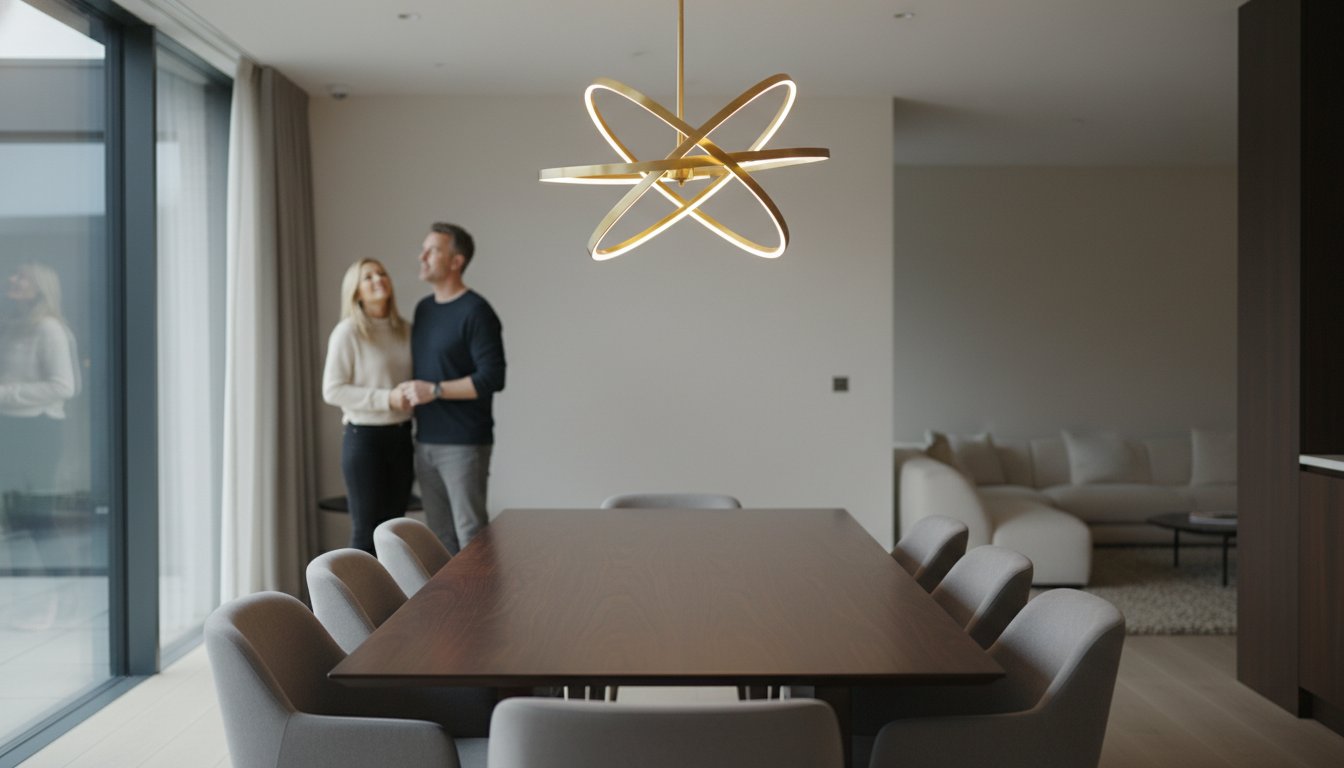
Selecting a statement piece for your home is an investment in ambiance and style. When it comes to luxury chandeliers, the decision carries significant weight. A fixture of this calibre is more than a light source; it is the room’s crowning jewel. Yet, the fear of a costly mistake-choosing the wrong scale, a clashing style, or an impractical design-can cast a shadow over the entire process, turning excitement into apprehension.
This guide is designed to restore your confidence. We provide the essential, curated knowledge required to navigate your selection with assurance. We will cover the critical principles of scale and proportion, explore how to harmonise a chandelier with your existing decor, and demystify the nuances of materials and installation. Our purpose is to transform this significant purchase from a daunting task into an inspiring journey, ensuring your final choice is a masterpiece that defines your space for years to come.
Defining Your Style: Matching a Chandelier to Your Interior
A chandelier is more than a source of illumination; it is the defining feature that anchors a room’s design. As a piece of suspended sculpture, it sets the aesthetic tone for a curated space. Historically, as detailed in the History of the Chandelier, these fixtures evolved from functional candle-holders to powerful symbols of artistry. When selecting from our collection of luxury chandeliers, your existing interior is the primary consideration. Analyse your furniture’s lines, colour palette, and overall atmosphere. The objective is either seamless harmony or a deliberate, striking contrast. Architectural details are paramount-ceiling height and the character of any cornicing will dictate the necessary scale and presence of your chosen piece.
Classic & Traditional Elegance
This enduring style evokes timeless opulence through ornate and graceful forms. It creates an atmosphere of formal grandeur.
- Characteristics: Cascading crystal drops, intricate metalwork, and elegant scrolling arms.
- Finishes: Warm, traditional tones such as polished brass, rich bronze, or antique silver.
- Ideal Placement: Formal dining rooms, grand entrance halls, and classically styled living spaces.
Modern & Contemporary Minimalism
For interiors that champion simplicity and structure. This aesthetic delivers understated sophistication through intentional design.
- Characteristics: Clean lines, bold geometric shapes, and innovative materials like smoked glass.
- Finishes: Polished chrome, brushed nickel, matte black, and subtle gold tones.
- Ideal Placement: Open-plan living areas, minimalist dining settings, and modern architectural homes.
Art Deco & Mid-Century Glamour
These styles transform a light fixture into a confident, artistic statement. Both are designed to be dramatic focal points.
- Characteristics: Art Deco features bold, symmetrical geometry; Mid-Century is known for sculptural Sputnik designs.
- Finishes: Often feature a mix of opulent materials, including polished metals and decorative glass.
- Ideal Placement: Sophisticated living rooms or entertainment spaces where these luxury chandeliers can command attention.
The Rules of Scale & Placement: Getting the Size Right
A common misstep in interior design is selecting a chandelier of improper scale. A fixture that is too small appears insignificant, while one too large can dominate a room. Correctly sizing your luxury chandeliers ensures they are complementary statement pieces, not overwhelming distractions. The key considerations are always diameter, height, and the drop from the ceiling.
The Dining Room Centrepiece
The dining table acts as the anchor for your chandelier. The fixture should illuminate the entire surface without obstructing views or conversation across the table. Adhering to established proportions is crucial for achieving this balance.
- Diameter: The chandelier should be between half and two-thirds the width of your dining table.
- Height: Hang the bottom of the fixture 30-36 inches (approx. 75-90 cm) above the tabletop.
The Grand Foyer or Entrance Hall
An entrance hall demands a fixture with presence. As the first impression of your home, the lighting should be substantial and impactful. Proper clearance is paramount for both safety and aesthetic appeal.
- Height: The bottom of the chandelier must be at least 7 feet (2.1m) from the floor to allow for clear passage.
- Curb Appeal: If a window is positioned above your front door, centre the chandelier within it for a striking view from the outside.
The Living Room or Bedroom Focal Point
For general living spaces, a simple calculation provides an excellent starting point. A widely accepted chandelier sizing guide suggests adding the room’s length and width together in feet; the resulting number is the ideal diameter for your fixture in inches. For example, a 12ft by 15ft room (27ft total) would suit a 27-inch diameter chandelier.
Always ensure the fixture is hung high enough to avoid head-height, typically centred over the main seating area or the bed. In exceptionally large rooms, consider creating balanced zones with multiple, smaller luxury chandeliers rather than one oversized piece.
A Guide to Luxurious Materials and Finishes
The choice of material and finish is what elevates a light fixture into the realm of luxury chandeliers. It defines not only the aesthetic character and perceived quality but also the very way light is diffused throughout a space. This interaction between material and light is a fundamental aspect of effective home lighting design principles. A considered finish should also harmonise with other metallic elements in the room, from door handles to taps, creating a cohesive design narrative. Finally, practicality matters; consider the maintenance required to keep each material at its best.
The Brilliance of Crystal and Glass
Crystal remains the quintessential choice for classic glamour and opulence. Its precisely cut facets are designed to refract light, creating a dazzling, sparkling effect that animates a room with movement and brilliance. For the ultimate in quality, hand-cut crystal offers unparalleled clarity. As a modern alternative, chandeliers crafted from smoked or coloured glass provide a more subdued, atmospheric mood, casting a softer, more diffused glow that is perfect for intimate settings.
The Timeless Warmth of Brass, Bronze, and Gold
Metals with warm undertones bring a timeless elegance and inviting warmth to any interior. A highly polished brass finish offers a bright, traditional appeal that feels both grand and established. For a more subtle and heritage-inspired look, consider aged brass or bronze, which provide a softer, more understated feel. Gold and champagne gold finishes introduce a touch of modern opulence, adding undeniable glamour that pairs beautifully with rich textures. Explore our collection of statement lighting to see these finishes in curated designs.
Contemporary Choices: Chrome, Nickel, and Blackened Metal
For a clean and distinctly contemporary aesthetic, cool-toned metals are a superior choice. Polished chrome and brushed nickel deliver a sleek, reflective quality that complements minimalist and modern interiors. In contrast, matte black or blackened metal finishes create a bold, graphic statement, lending an industrial or starkly minimalist edge to a space. These modern luxury chandeliers are designed to pair exceptionally well with contemporary furniture, abstract art, and uncluttered environments, acting as a sculptural focal point.

Creating Ambience: Understanding Light and Functionality
A chandelier is far more than a decorative centrepiece. Its primary function is to provide ambient light, setting the foundational mood for an entire space. The quality and direction of this light are paramount. Whether your fixture casts a soft, upward glow or provides direct, downward illumination, understanding its functionality is key to maximising your investment in statement lighting.
Choosing the Right Bulbs
The bulb is the soul of the lamp. We recommend modern LED bulbs for their superior energy efficiency and extensive lifespan, a practical consideration for any high-quality fixture. For traditional or classic luxury chandeliers, consider candle-shaped or flame-tip bulbs to preserve the intended aesthetic. Crucially, you must always adhere to the chandelier’s specified maximum wattage for each socket to ensure both safety and optimal performance.
The Importance of Dimmers
A dimmer switch is not an accessory; it is an essential component for controlling atmosphere. This simple addition allows you to transition seamlessly from bright, functional light required for entertaining to a soft, intimate glow for relaxing evenings. When making your selection, it is vital to confirm that both the chandelier itself and your chosen bulbs are certified as dimmer-compatible to unlock this crucial layer of versatility.
Colour Temperature (Kelvins)
The perceived warmth or coolness of light, measured in Kelvins (K), dramatically influences a room’s feel. Understanding the primary options is simple:
- Warm White (approx. 2700K): This light creates a cosy, inviting atmosphere reminiscent of candlelight. It is the preferred choice for living rooms, dining areas, and bedrooms where comfort is paramount.
- Cool White (approx. 4000K): A brighter, more energising light that is better suited to task-oriented spaces like kitchens, utility rooms, or home offices.
For the sophisticated and welcoming environments where luxury chandeliers truly shine, a warm white temperature is almost always the superior selection.
By carefully considering the bulbs, dimming capabilities, and colour temperature, you curate an ambience that is perfectly tailored to your lifestyle. Explore our curated lighting collection to discover the ideal centrepiece for your home.
Installation and Care: Protecting Your Investment
A statement chandelier is more than a light fixture; it is a significant investment in your home’s aesthetic. The selection process is only the beginning. Proper installation and diligent care are essential to protect this investment, ensuring its safety, functionality, and brilliance for years to come. This final step secures the value and impact of your chosen piece.
Why Professional Installation is Essential
The considerable weight and intricate electrical components of most luxury chandeliers make installation a task for a qualified professional. Attempting a DIY installation can risk damage to your home and your new fixture. A certified electrician will ensure every aspect is addressed correctly.
- Structural Support: They will verify that the existing ceiling junction box and support brace can handle the chandelier’s weight, installing additional bracing into the joists if necessary.
- Safe Wiring: A professional guarantees all electrical connections are safe, compliant with UK regulations, and configured correctly for any dimmer switches.
- Flawless Assembly: Expert handling prevents damage to delicate crystals, arms, and finishes during the final assembly and hanging process.
Long-Term Care and Cleaning
Maintaining the sparkle of your chandelier is straightforward with a consistent routine. For light maintenance, a weekly dusting with a feather duster or an extendable microfiber duster will prevent significant build-up that can dull the refraction of light through the crystals.
For a deeper clean, typically once a year, follow a careful process. Always begin by turning off the power at the circuit breaker for complete safety. Place a protective covering on the floor below to catch any drips. Use a specialised crystal cleaning spray and two soft, lint-free cloths-one for applying the cleaner and another for gently drying and polishing each crystal. This meticulous approach restores the fixture’s original lustre without leaving streaks. For particularly large or intricate pieces, consider a professional cleaning service.
If positioning your new piece or planning a wider room refresh feels daunting, our experts can provide clarity. Need help styling your space? Consult our interior design experts.
Illuminate Your Vision: A Final Word on Choosing Your Chandelier
Choosing a chandelier is the ultimate expression of your home’s character. As we’ve explored, this decision rests on a foundation of careful consideration-balancing perfect scale and placement with a style that complements your existing interior. The right materials and quality of light are not just details; they are the elements that transform a functional object into a breathtaking centrepiece. This thoughtful process is the true secret to finding exceptional luxury chandeliers that will stand the test of time.
At Womacks of Bawtry, our passion is sourcing statement pieces for the most discerning homes. Our expertly curated lighting collections are a testament to this commitment, showcasing unparalleled craftsmanship and timeless design. If you require expert guidance to bring your vision to life, our in-house interior design services are at your disposal to ensure a flawless result.
Your search for the perfect luminaire ends here. We invite you to Discover Our Curated Collection of Luxury Chandeliers and select the extraordinary feature your home deserves.
Frequently Asked Questions
How high should a chandelier hang over a dining table?
The base of the chandelier should hang between 75 and 90 centimetres above your dining table. This clearance ensures an unobstructed view across the table while providing optimal illumination for dining. For ceilings higher than standard, you may add approximately 8 cm for each additional 30 cm of ceiling height. This maintains the correct proportion and balance within the space, creating a sophisticated focal point for your room.
Can you put a luxury chandelier in a room with low ceilings?
Yes, a statement piece is achievable even with lower ceilings. Select a flush-mount or semi-flush-mount chandelier design. These styles sit closer to the ceiling, preserving essential headroom while delivering significant visual impact. Avoid dramatic, tiered designs. The key is maintaining correct scale and proportion to ensure the fixture complements, rather than overwhelms, the interior. A minimum clearance of 2.1 metres from the floor is recommended.
What is the main difference between a chandelier and a pendant light?
The primary distinction lies in the light source structure. A chandelier features multiple light bulbs branching from a central frame, creating a layered and ambient illumination. In contrast, a pendant light is typically a single light source suspended from one cord or chain. While both offer statement lighting, chandeliers provide a more expansive and decorative presence, defining the character of a room and serving as a more significant architectural element.
How do you clean a delicate crystal chandelier without damaging it?
First, ensure the power is disconnected. Place a protective blanket beneath the fixture. Prepare a solution of one part isopropyl alcohol to three parts distilled water. Dampen a soft, lint-free microfibre cloth and gently wipe each crystal and frame component individually. Avoid spraying cleaners directly onto the fixture, as this can tarnish the metalwork and leave residue on the delicate crystal elements. This careful method preserves the integrity of the materials.
Are modern LED chandeliers a good choice for a classic home?
Absolutely. Modern LED luxury chandeliers can offer a sophisticated contrast in classic interiors. Many designs feature clean lines and innovative forms that complement traditional architecture without competing with it. Integrated LEDs provide superior energy efficiency and a long lifespan, a practical benefit for any home. A contemporary fixture can act as a striking piece of functional art, bridging classic elegance with modern design sensibilities for a truly curated look.
How do I calculate the right size chandelier for my living room?
To determine the ideal diameter, use a simple calculation. Measure the length and width of your living room in metres. Add these two numbers together, then multiply the result by eight. This will give you an approximate ideal diameter for your chandelier in centimetres. This formula ensures the fixture is correctly scaled to the room, creating a balanced and harmonious aesthetic without overpowering the space or feeling insignificant.