Uncategorized

Luxury Garden Furniture: The Ultimate Guide to Designing a Refined Outdoor Space

An investment in luxury garden furniture is an investment in your home’s character and your own outdoor enjoyment. Yet, this significant decision often comes with uncertainty. How do you select pieces that will not only withstand the unpredictable British weather but also create a cohesive, stylish look that avoids fleeting trends? The fear of choosing materials that degrade or a style that quickly dates can make the process of creating a refined outdoor space feel daunting.

This guide provides the essential principles for making a confident choice. We will explore the most resilient materials, from classic teak to contemporary aluminium, and delve into the fundamentals of layout and styling. By the end, you will understand how to curate a truly elegant outdoor sanctuary-a functional and beautiful extension of your home, furnished with statement pieces designed to endure and inspire for years to come.

Key Takeaways

  • Understand what defines a true investment piece, looking beyond price to craftsmanship, materials, and timeless design.
  • Select the ideal material for your space by comparing the aesthetics and durability of options suited to the British climate.
  • Plan a functional and elegant layout by creating distinct ‘zones’ for alfresco dining, socialising, and quiet relaxation.
  • Curate a cohesive outdoor sanctuary by identifying your personal style and selecting luxury garden furniture that reflects your aesthetic.

Defining Luxury in Outdoor Furniture: Beyond the Price Tag

True luxury is not defined by a price tag alone. It is a long-term investment in superior design, exceptional materials, and enduring longevity. While mass-produced items serve a temporary purpose, expertly crafted pieces transform an outdoor area into a genuine extension of your home-a curated ‘outdoor room’ designed for living. A single, well-chosen sun lounger or a statement dining set can define the entire aesthetic of a terrace or garden, establishing a tone of refined elegance that lasts for seasons, not just a summer.

Understanding what elevates a piece to this status is key. It is the deliberate combination of quality, resilience, and considered aesthetics that constitutes true luxury garden furniture.

The Three Pillars of Quality: Materials, Craftsmanship, and Design

These three elements separate the exceptional from the ordinary. Each pillar contributes to a piece’s value, appearance, and ability to withstand the elements with grace.

  • Materials: Premium, weather-resistant materials form the foundation. Think of the dense, oil-rich properties of Grade-A teak, which naturally repels water, or the lightweight strength of powder-coated aluminium, which offers sleek, contemporary lines without the risk of rust.
  • Craftsmanship: The details reveal the quality. Look for seamless welds on metal frames, precise mortise and tenon joinery on wooden furniture, and the subtle texture of a hand-finished surface. This level of construction ensures structural integrity and a flawless finish.
  • Design: Timeless design holds its value. Pieces from recognised designers and specialist brands are created to transcend fleeting trends. This focus on enduring style is a core principle that has evolved throughout the history of garden furniture, ensuring your investment remains relevant and beautiful for years to come.

Weather Resistance vs. Weatherproof: A Crucial Distinction

Choosing the right furniture requires an understanding of how it will perform in the specific UK climate. The terms ‘weather-resistant’ and ‘weatherproof’ are often used interchangeably, but they signify different levels of durability and maintenance.

Weather-resistant furniture can withstand exposure to the elements but may require seasonal care. Natural materials like teak fall into this category; they are incredibly durable but may develop a silver-grey patina over time, which can be maintained or left to age naturally. Weatherproof items, conversely, are largely impervious to weather. They are typically made from high-performance synthetic materials like all-weather wicker or marine-grade polymers, requiring minimal upkeep. Your choice depends on your climate and preferred level of maintenance.

Selecting Materials That Endure and Impress

The foundation of any statement outdoor collection is its material composition. This choice dictates not only the aesthetic but also the longevity and maintenance requirements of your investment. Discerning homeowners prioritise materials that offer both visual appeal and robust performance against the British weather. In fact, recent studies on consumer trends in outdoor furniture highlight a clear preference for durability and low-maintenance designs, reinforcing the importance of selecting the right foundation for your outdoor sanctuary.

The Timeless Appeal of Grade-A Teak

Grade-A teak is the benchmark for classic outdoor furniture, prized for its unparalleled durability. Rich in natural oils and silica, it inherently resists water, rot, and insects without needing chemical treatments. A hallmark of quality is its substantial weight and dense, uniform grain. Over time, it weathers from a warm honey hue to a distinguished silvery-grey patina, a graceful ageing process celebrated by designers. This material doesn’t just endure; it evolves.

The Sleek Modernity of Powder-Coated Aluminium

For a contemporary aesthetic, powder-coated aluminium offers clean lines and minimalist appeal. Its primary advantages are being lightweight, inherently rustproof, and exceptionally easy to maintain. The powder-coating process involves applying a dry polymer powder that is then cured to form a hard finish, far more durable than traditional paint. This provides robust protection against chipping and fading while allowing for a vast spectrum of sophisticated, lasting colours.

The Versatility of All-Weather Wicker (Resin Wicker)

Modern all-weather wicker elevates a traditional look with advanced material science. Unlike brittle plastic imitations, high-end resin wicker is crafted from high-density polyethylene (HDPE) infused with UV inhibitors to prevent fading and cracking. Look for a tight, consistent weave over a sturdy, concealed aluminium frame. This construction offers the textural comfort of natural wicker with the resilience needed for outdoor life, suiting styles from classic country gardens to chic terrace lounges.

Performance Fabrics and Foams. The final element of enduring comfort lies in the cushions of your luxury garden furniture. Look for performance fabrics engineered with high UV resistance to prevent fading. Internally, quick-dry reticulated foam is the hallmark of quality, allowing moisture to drain through rapidly, inhibiting mildew and ensuring seating is usable shortly after a classic British downpour.

Curating Your Outdoor Space: From Alfresco Dining to Serene Lounging

A truly refined outdoor area is more than a collection of pieces; it is a thoughtfully curated extension of your home. The first step is to define its purpose. Consider how you wish to live in the space-will it be for hosting elegant dinners, quiet morning coffees, or relaxed evening gatherings? By creating distinct ‘zones’ for each activity, you establish a natural flow and a clear sense of purpose.

Before selecting any pieces, consider the scale of your garden. The proportion of your furniture to the available space is paramount to achieving a balanced, uncluttered aesthetic. We advise measuring your intended zones meticulously. Note the dimensions and account for walkways and clearance. This foundational step ensures your chosen luxury garden furniture not only fits but enhances the environment.

Designing an Elegant Alfresco Dining Area

For social gatherings, the dining set is key. A round table encourages intimate conversation, while a rectangular design accommodates larger parties with ease. Prioritise comfort; chairs with supportive backrests and armrests invite guests to linger over long, leisurely meals. As a rule, ensure there is at least one metre of clear space behind each chair to allow for comfortable movement around the table.

Creating a Relaxed Lounge Setting

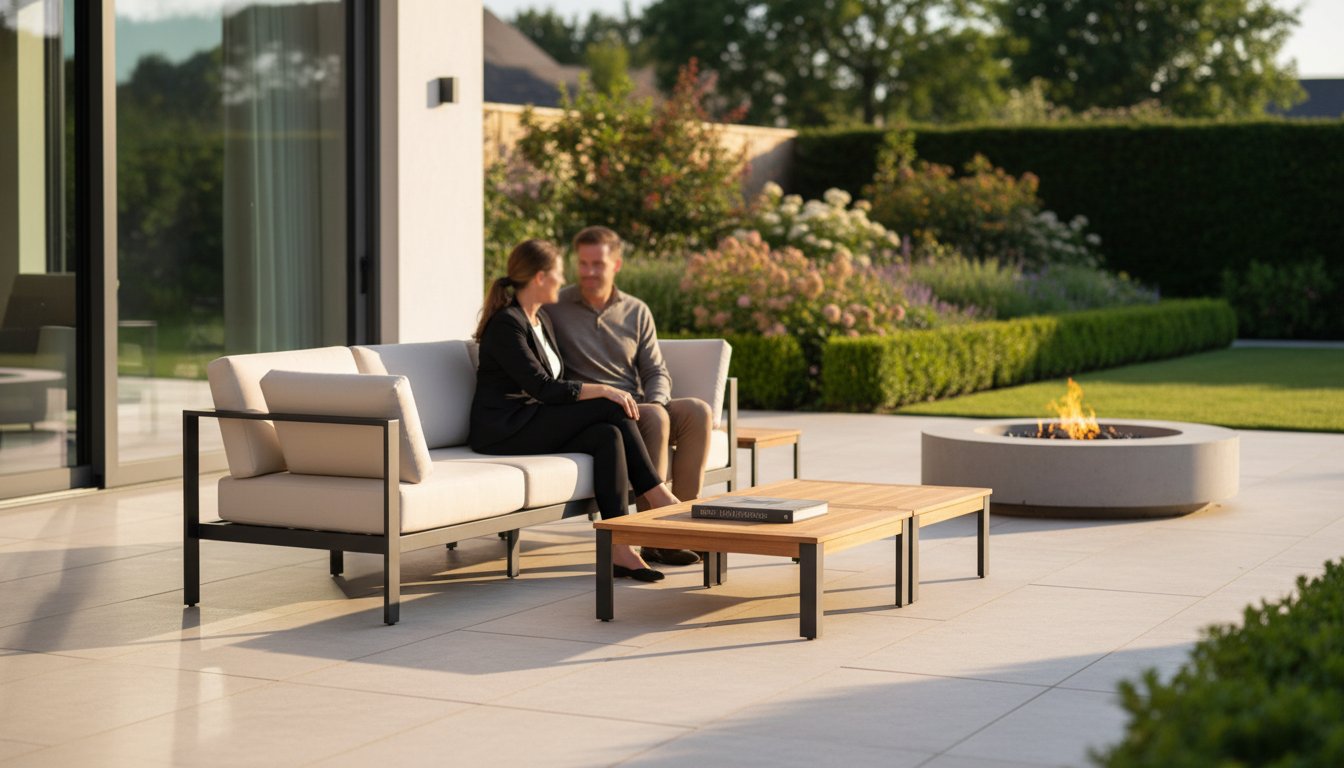
A lounge zone provides a serene retreat, and the right luxury garden furniture is essential. Explore options from deep-seated sofas and versatile modular sets to chic daybeds for ultimate relaxation. A central element, such as a marble-top coffee table or a sophisticated fire pit, anchors the arrangement. This is the ideal place for a piece of Womacks’ ‘Statement Furniture’-a singular item that acts as a compelling focal point, defining the character of the space.

The Finishing Touches: Parasols, Rugs, and Lighting

Accessories transform a collection of furniture into a cohesive outdoor room. An outdoor rug can define and anchor a seating area, adding texture and warmth underfoot. For shade, a cantilever parasol provides unobstructed coverage over dining or lounging sets, combining function with sculptural form. These final layers are essential for a polished look. Discover our collection of stylish garden parasols.

Finding Your Signature Style: Key Aesthetics in Luxury Garden Design

Your outdoor space should be a seamless extension of your home’s interior. Defining your personal aesthetic is crucial for creating a cohesive and intentional design. The choice of materials, forms, and textures in your luxury garden furniture will ultimately set the tone, transforming a simple patio into a curated sanctuary. Consider which of these prevailing styles resonates most with your vision for outdoor living.

Classic English Garden: Timeless and Traditional

This style evokes a sense of permanence and romance. Think of ornate, wrought-iron bistro sets for quiet morning coffee, or a timeless teak Lutyens bench placed against a backdrop of climbing roses. The look is completed with soft, floral-patterned cushions. The resulting mood is serene and established, perfect for creating a tranquil escape that feels as if it has been there for generations. It is the very definition of classic elegance in an outdoor setting.

Contemporary Minimalism: Clean Lines and Understated Elegance

For a modern, uncluttered aesthetic, focus on clean lines and a restrained colour palette. Sleek, powder-coated aluminium frames in charcoal or white offer a sharp, geometric profile. Modular sofas with neutral-toned, all-weather fabrics provide versatile seating, while simple, unadorned dining sets create a sophisticated space for entertaining. This approach champions understated elegance, resulting in a calm, organised, and distinctly contemporary atmosphere.

Mediterranean Villa: Rustic and Sun-Drenched

Capture the relaxed, sociable spirit of a sun-drenched escape. This style embraces natural, woven textures like all-weather rattan and warm, earthy tones. Low-slung lounge sets encourage leisurely conversation, while large, rustic-topped communal tables are ideal for family gatherings. Details like mosaic-topped side tables add an authentic touch. The mood is effortlessly welcoming, designed for comfort and shared moments under the sun.

While these styles provide a strong foundation, the most compelling outdoor spaces are often a personal blend of influences. Do not hesitate to mix a contemporary dining table with more traditional seating to create a curated, eclectic look. The goal is to select statement pieces that reflect your individual taste and lifestyle. By carefully choosing your luxury garden furniture, you can design an outdoor living area that is both refined and uniquely yours. Explore our curated collections to discover pieces that will define your signature style.

Protecting Your Investment: Essential Care and Maintenance

A common misconception is that high-end outdoor furniture requires intensive upkeep. In reality, the superior materials used in our collections are selected for their inherent resilience. Protecting your investment is not a demanding task, but a simple series of seasonal routines that ensure your outdoor sanctuary retains its refined appearance for decades. Proper care is the key to transforming a purchase into a lasting legacy piece.

Seasonal Cleaning Routines

Simple, periodic cleaning will preserve the finish and integrity of your luxury garden furniture. We recommend a straightforward approach tailored to each material.

  • Teak: Clean with a solution of mild soap and water using a soft-bristle brush. Rinse thoroughly and allow to air dry. Left untreated, teak will naturally develop a distinguished silver-grey patina.
  • Powder-Coated Aluminium: This low-maintenance material requires only a wipe-down with a soft, damp cloth and a gentle, pH-neutral cleaner to remove dust and grime.
  • All-Weather Wicker: Use a soft brush to loosen any debris from the weave, then wash with mild soap and water. Rinse clean and let it dry completely.
  • Cushions: Always check the care label. Most performance fabrics can be spot-cleaned. Ensure cushions are completely dry before storing to prevent mildew.

The Importance of High-Quality Furniture Covers

The single most effective way to protect your furniture is with a premium cover. A high-quality cover safeguards your pieces from the harshest elements of the British weather, including damaging UV rays that can fade fabrics, persistent rain, and the build-up of dirt and debris. Opt for breathable materials that allow air to circulate, preventing moisture and mould from becoming trapped. This is a small price to pay to protect a significant investment.

Winter Storage Solutions

During the colder, wetter months, proper storage is essential. While robust aluminium and teak frames can often withstand winter outdoors under a secure cover, we advise moving all cushions and parasols to a dry, protected space like a garage or shed. Storing your pieces correctly ensures they emerge in pristine condition, ready for the first days of spring. Browse our premium outdoor furniture covers to protect your pieces.

Your Refined Outdoor Sanctuary Awaits

Creating a refined outdoor space is an art of intention. As this guide has shown, true luxury is found not in a price tag, but in the enduring quality of superior materials and the sophistication of timeless design. By thoughtfully curating distinct zones for alfresco dining and serene lounging, and committing to essential maintenance, you transform your garden into a true extension of your home. The right luxury garden furniture is the foundation of this transformation, turning a simple patio into a sophisticated retreat.

At Womacks Of Bawtry, our design specialists expertly curate collections that embody this philosophy of lasting style. Each piece is selected for its aesthetic integrity and superior craftsmanship. For a truly personalised approach, our bespoke interior design services can help bring your unique vision to life. We invite you to experience this quality firsthand at our showroom in Bawtry, South Yorkshire.

Begin your journey to a more elegant outdoor living experience. Explore Our Curated Garden Furniture Collections today.

Frequently Asked Questions

What is the most durable material for luxury garden furniture in the UK?

For the variable UK climate, teak is an exceptional choice. Its natural oils provide inherent resistance to moisture and rot. Powder-coated aluminium is another superior option, offering a lightweight, rust-proof frame ideal for contemporary designs. High-quality synthetic rattan woven over an aluminium structure also delivers outstanding longevity and minimal maintenance. These materials ensure your investment endures through every season.

How do I protect my luxury garden furniture during winter and periods of bad weather?

To preserve your furniture, using breathable, custom-fit covers is essential during the winter months. This prevents moisture from being trapped, which can lead to mildew. Whenever possible, storing pieces in a dry, sheltered area like a garage is the optimal solution. Cushions and soft furnishings should always be stored indoors to maintain their colour and structural integrity, ensuring they are ready for the new season.

Is expensive garden furniture really worth the investment compared to cheaper alternatives?

A higher price point directly correlates with superior craftsmanship, advanced materials, and timeless design. Investing in luxury garden furniture ensures durability against the elements, sustained comfort, and lasting aesthetic value. While less expensive sets may require replacement after only a few seasons, a premium collection is a sound long-term investment, offering enduring style and performance that is ultimately more cost-effective.

How can I tell if outdoor furniture is of high quality before I buy it?

Examine the construction details. Look for seamless welds on metal frames and robust joinery, such as mortise and tenon joints, on wooden pieces. The weight often indicates quality; heavier pieces typically use more substantial materials. Check for a consistent, durable finish and assess the quality of the fabric for fade and water resistance. These details are the hallmarks of well-crafted, long-lasting furniture.

What is the difference between ‘weather-resistant’ and ‘weatherproof’ garden furniture?

The distinction is crucial for longevity. ‘Weather-resistant’ furniture can withstand minimal exposure to the elements but will degrade over time if not protected. ‘Weatherproof’ denotes a much higher level of resilience. Materials such as powder-coated aluminium, teak, and certain synthetic polymers are designed to be left outdoors year-round in the UK with minimal wear. Choosing weatherproof pieces is an investment in durability.

How do I choose the right size furniture for my patio or garden space?

Begin by measuring your area precisely. Ensure you leave adequate space for movement-a clearance of at least 90cm is recommended for primary walkways. Consider the intended function. A large dining set requires more room than an intimate lounge area. We suggest creating a to-scale floor plan on paper to visualise the layout. This ensures the final composition is both functional and visually balanced.

Uncategorized

The Garden Daybed: Creating Your Ultimate Outdoor Retreat

The vision of a serene outdoor sanctuary is often met with practical hesitation. The challenge lies in selecting a piece that is both a statement of style and a durable investment against the unpredictable British climate, transforming an outdoor area into a curated retreat. The answer is found in the considered placement of a daybed in garden design. More than mere furniture, it is the cornerstone of outdoor living-a versatile focal point for solitary repose or elegant socialising.

This guide moves beyond simple selection. We will explore how to choose the ideal size and material for your space, ensuring longevity and timeless appeal. Discover expert principles for placement and styling, empowering you to create a luxurious and cohesive outdoor environment. Consider this your definitive resource for making a confident and lasting investment in your personal retreat.

Envisioning the Role of a Daybed in Your Garden

A garden should be more than a collection of plants; it is an extension of your home, an outdoor room curated for living. The introduction of a daybed transforms this space, elevating it from a simple lawn to a functional sanctuary. Unlike a traditional sun lounger, which serves a singular purpose, the daybed offers unparalleled versatility. If you are unfamiliar with the concept and asking, What is a daybed?, consider it a refined hybrid of a chaise longue and a sofa, designed for luxurious reclining and socialising alike. It becomes a statement piece, a clear signal that this outdoor area is dedicated to sophisticated relaxation.

The Centrepiece for Solitude and Relaxation

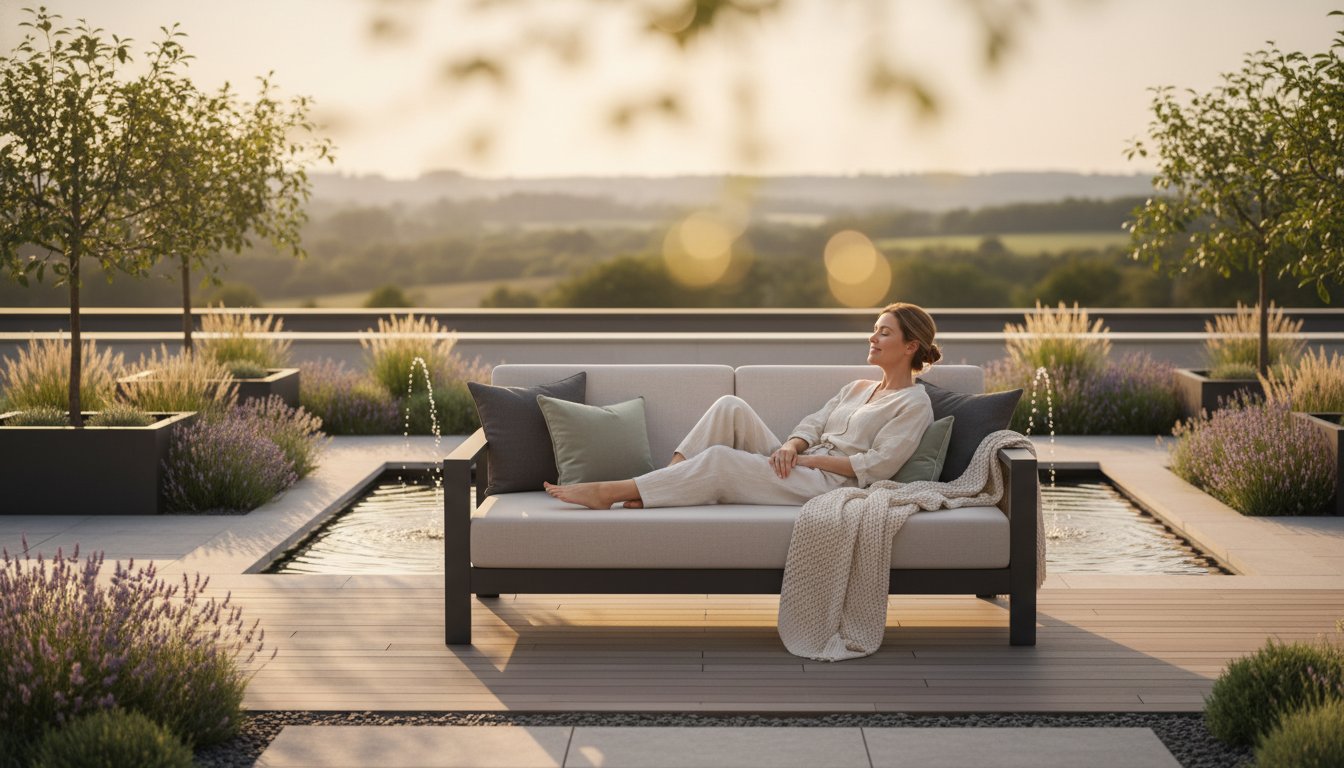
Imagine a personal retreat crafted for quiet contemplation. A daybed in garden design provides just that-a comfortable and stylish alternative to a simple hammock or garden bench. It is a dedicated space for reading a novel, enjoying a mid-afternoon nap, or simply unwinding in silence. The psychological benefit is profound; having a designated sanctuary outdoors encourages a deliberate separation from the demands of daily life, fostering a deeper sense of peace and restoration.

A Hub for Intimate Socialising

Beyond personal escape, the daybed serves as an elegant hub for intimate gatherings. It creates a relaxed, conversational setting perfect for sharing a morning coffee with a partner or enjoying evening cocktails with a close friend. This arrangement feels far more personal than a formal dining set, encouraging connection and creating a boutique, resort-like atmosphere within your own garden. It is the ideal setting for hosting one or two guests in comfort and style.

Defining a Zone in Your Outdoor Landscape

A daybed is not merely furniture; it is a powerful design tool for defining your outdoor landscape. Its substantial presence allows you to anchor a specific area, creating a clear focal point and sense of purpose. Consider its placement to create distinct zones:

  • On a patio or decking area, it establishes a sophisticated lounge space.
  • Positioned by a pool, it introduces an element of five-star luxury.
  • Tucked under a pergola or mature tree, it forms a shaded, secluded nook for escape.

To enhance that feeling of a secluded nook, the right boundary is essential. A decorative fence can provide privacy and structure without closing the space in completely. For inspiration on different styles, you can check out Romford Fencing Ltd.

A Curated Guide to Statement Garden Daybed Styles

Selecting the perfect daybed is an exercise in defining your outdoor aesthetic. The silhouette you choose dictates not only the visual impact but also how you experience moments of relaxation. A statement daybed should harmonise with your home’s architecture and the character of your garden, transforming the space into a true outdoor sanctuary. Understanding the key styles is the first step towards curating your ideal retreat.

The Canopy Daybed: A Private Pavilion

This design offers an immediate sense of escape. A built-in or retractable canopy provides essential shade and a feeling of seclusion, evoking the refined luxury of a boutique hotel or a private beachside cabana. It is the definitive choice for open, sun-drenched gardens where natural shade is limited, creating an intimate haven for rest and contemplation.

The Round Daybed: A Sociable Statement

With its generous circular form, the round daybed is a bold and inviting centrepiece. Its design encourages conversation and shared relaxation, often furnished with a deep, single mattress and an array of scatter cushions. This style is best positioned on a substantial patio or terrace where its sculptural presence can be fully appreciated, becoming the focal point for outdoor gatherings.

The Modular Daybed: The Height of Versatility

For those who value adaptability, the modular daybed is unparalleled. Comprising distinct sections, it can be effortlessly reconfigured from an expansive lounging bed into separate sofas, chairs, and a coffee table. This inherent flexibility makes a modular daybed in garden settings an exceptional investment for hosting guests and tailoring your space to any occasion.

The Minimalist Daybed: Understated Elegance

Characterised by clean lines and an uncluttered profile, the minimalist daybed exemplifies modern sophistication. Its beauty lies in its simplicity and the quality of its materials, such as sleek, powder-coated aluminium or the timeless warmth of teak. This style integrates seamlessly with contemporary architecture, and for those seeking further inspiration, Architectural Digest offers a guide to minimalist, Scandinavian-inspired outdoor furniture from leading designers. It creates a serene, artistic focal point without overwhelming the natural surroundings.

Selecting Materials with a Designer’s Eye

The material composition of your outdoor furniture is the foundation of its character and resilience. For a statement piece like a daybed in garden settings, this choice dictates both the aesthetic appeal and its longevity against the elements. A designer’s approach looks beyond the surface, considering how each component contributes to a cohesive and enduring whole. The selection of materials should harmonise with your outdoor space, aligning with core landscape design principles of unity and order to create a truly integrated retreat.

All-Weather Weave: Textural Sophistication

Modern synthetic rattan captures the classic, textural charm of natural wicker while offering superior durability. Engineered to be entirely weatherproof, high-grade weaves are resistant to UV-induced fading, frost, and moisture damage. When assessing quality, look for weaves that are taut, dense, and expertly finished without imperfections. This attention to detail ensures your daybed retains its sophisticated structure and appearance through every season.

Powder-Coated Aluminium: Sleek and Resilient

The structural integrity of a premium daybed often relies on its frame. Powder-coated aluminium provides the ideal solution: it is inherently strong, surprisingly lightweight, and completely rust-free. The powder-coating process adds a final layer of defence, resulting in a smooth, elegant, and exceptionally durable finish. This material is the framework behind many minimalist and contemporary daybed styles, offering clean lines and uncompromising strength.

Performance Fabrics: The Key to Lasting Comfort

The ultimate comfort of a daybed in garden environments depends on its upholstery. Cushions should be crafted from performance fabrics, such as solution-dyed acrylic, which are specifically designed for outdoor use. These advanced textiles offer superior resistance to fading, stains, and mildew growth. For true practicality, ensure the cushions feature quick-drying foam inserts, allowing them to shed moisture rapidly after a rain shower and remain ready for relaxation.

The Art of Placement and Styling Your Daybed

A daybed is more than an item of furniture; it is a destination. The placement and styling of your daybed in garden design are essential in transforming it from a simple seat into a true statement piece. A considered approach ensures maximum relaxation and visual harmony, creating a curated focal point for your outdoor space.

Finding the Perfect Position

Strategic positioning elevates the function and impact of your daybed. Observe the sun’s path across your garden to secure the ideal spot for morning sun or a tranquil, shaded afternoon retreat. Orient the daybed towards a preferred view-a flourishing flowerbed, a water feature, or an uninterrupted horizon. Finally, ensure ample space around the piece for easy access, maintaining an uncluttered and graceful flow.

Accessorising for Comfort and Style

Curate a look of effortless luxury with carefully chosen accessories. These elements introduce comfort, colour, and personality, transforming the daybed into an inviting sanctuary. Consider these essential additions:

  • Luxury Outdoor Cushions: Layer scatter cushions in complementary tones and rich, weather-resistant textures to create a plush and inviting arrangement.
  • Elegant Throws: Drape a lightweight, high-quality throw over the edge. It offers warmth on cooler evenings and adds a soft, textural design element.
  • A Functional Side Table: Position a small, stylish side table nearby. It provides a practical surface for a cool drink, a book, or a single decorative object, completing the vignette with functional elegance.

Creating Ambience with Lighting and Planting

The final layer of styling involves the surrounding atmosphere. Create a sensory escape with thoughtful planting and lighting. Frame your daybed with large pots of fragrant English lavender, climbing jasmine, or classic roses to engage the senses. As dusk falls, illuminate the space with the soft, ambient glow of solar-powered lanterns or delicate string lights woven through nearby foliage. This considered approach creates a truly magical outdoor escape. For a complete vision, consult our design experts for a personalised garden scheme.

Your Statement Outdoor Retreat Awaits

Transforming your outdoor space into a genuine sanctuary is an art of intention. As we have explored, the considered selection of style, the choice of enduring materials, and the impact of strategic placement are paramount. The right daybed in garden settings serves as more than just furniture; it is the definitive centrepiece of your personal retreat, a testament to relaxed, sophisticated living and an invitation to pause.

At Womacks Of Bawtry, we understand this vision intimately. As a trusted name in luxury homeware, we present curated collections of designer furniture chosen to inspire and endure. Our ethos is built on timeless design and impeccable quality. For those seeking a guided approach, our expert interior design services are available to assist you in perfecting your outdoor aesthetic and creating a truly cohesive space.

Your ultimate outdoor retreat is waiting to be realised. Explore our collection of statement garden daybeds.

Frequently Asked Questions

How do I protect my garden daybed during the winter months?

To preserve the integrity of your daybed through the winter, a quality, breathable cover is essential. This protects the frame from frost and moisture without trapping condensation. For optimal care, cushions should be stored separately in a dry, indoor space, such as a garage or shed. This simple regimen ensures your investment remains in pristine condition for the following season.

What is the key difference between a garden daybed and a sun lounger?

The primary distinction lies in scale and purpose. A sun lounger is a singular piece designed for an individual to recline. In contrast, a daybed in garden settings is a statement of luxurious comfort, offering a generous space for multiple people to relax. It functions as a sophisticated outdoor centrepiece for lounging and socialising, rather than simply sunbathing.

Can a modular garden daybed function effectively as a sofa set for entertaining?

Absolutely. The versatility of a modular daybed is one of its principal design advantages. Sections can be easily reconfigured from a classic lounging circle into a sofa set with accompanying stools or a coffee table. This adaptability makes it an exceptionally practical and stylish solution for entertaining guests, transforming from a relaxing retreat to a social hub with minimal effort.

What size daybed is suitable for a smaller patio or terrace?

For a smaller patio or terrace, proportion is paramount. A compact circular model, around 160cm in diameter, offers luxurious comfort without overwhelming the space. Alternatively, an elegant two-person cocoon-style daybed provides a sense of enclosure and relaxation while maintaining a minimal footprint. These curated sizes ensure a balanced and sophisticated aesthetic in more intimate settings.

Are the cushions on luxury daybeds truly weatherproof against UK rain?

While the high-performance fabrics used on luxury daybeds are shower-resistant, no cushion is entirely weatherproof against persistent UK rain. The term typically refers to a water-repellent coating that withstands light showers. For prolonged downpours or winter storage, we always recommend moving cushions indoors or into a waterproof storage box to maintain their quality and longevity.

What maintenance is required for an all-weather weave daybed?

An all-weather weave daybed requires minimal maintenance. To clean the frame, simply use a soft brush and a solution of warm, soapy water, then rinse with clean water and allow it to air dry. Avoid using pressure washers or harsh chemical cleaners, as these can damage the synthetic weave. This simple care routine is sufficient to keep your statement piece looking its best.

Uncategorized

Creating Serenity: A Design Guide for a Fountain with Pond

The vision of a garden sanctuary, anchored by a sophisticated water feature, is a timeless aspiration. Yet the ambition to create a beautiful fountain with pond is often met with hesitation. Concerns over a feature appearing cheap or out of place, confusion about project scale and potential costs, and the complexities of pumps and maintenance can be overwhelming. The goal is to create a statement piece, not a source of frustration or unforeseen expense.

This guide is designed to provide clarity and confidence. We will demystify the process, exploring the essential design principles for a harmonious and high-end aesthetic. You will learn to make informed decisions on materials and styles, understand the technical elements, and ultimately master the art of combining moving water with tranquil reflection. Transform your garden into a curated haven of serenity and refined taste.

The Vision: Why a Fountain and Pond Elevates Your Outdoor Space

A water feature is more than a garden accessory; it is a transformative element. It establishes a natural focal point, lending structure and purpose to your landscape. The combination of gentle sound and dynamic light introduces a sensory dimension that static planting alone cannot achieve. It is an investment in the atmosphere of your entire property.

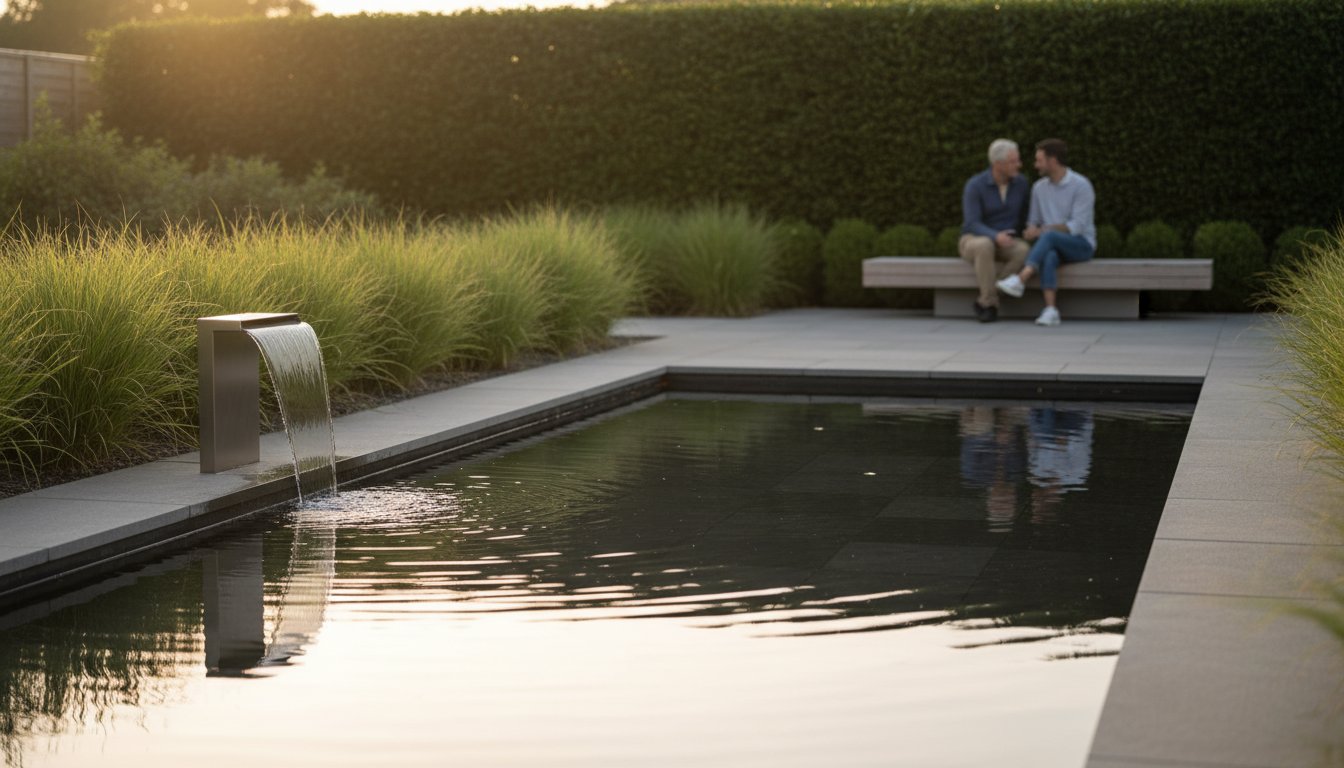
The visual appeal is immediate. A pond’s surface acts as a living mirror, reflecting the shifting sky and surrounding foliage, creating an illusion of greater space and depth. This tranquil scene is animated by the fountain, its movement catching the light and creating a constant, subtle shimmer. Beyond its beauty, a fountain with pond becomes a vibrant micro-habitat, inviting birds to bathe and dragonflies to visit, introducing a welcome layer of natural life. It is the definitive statement piece for a curated garden.

Defining the Ambience

The presence of water allows you to dictate the mood of your outdoor space. Design a serene retreat for quiet reflection and mindfulness, a place to disconnect from the everyday. Alternatively, a well-placed feature can serve as an elegant centrepiece for entertaining guests, providing a sophisticated backdrop for social gatherings. For more structured landscapes, a formal design can create a classical, timeless feel that complements traditional architecture.

Beyond Aesthetics: The Psychological Benefits

The restorative power of water is well-documented. The gentle, rhythmic sound of a fountain has a proven calming effect, reducing stress and promoting mental clarity. This ambient sound also serves a practical purpose, effectively masking unwanted background noise from nearby traffic or neighbours. Integrating a water feature is fundamental to modern landscape architecture and garden design, offering a simple yet profound way to connect with the natural world within the privacy of your own garden.

Ultimately, installing a fountain with pond is a decision to cultivate serenity. It is a commitment to creating a space that is not only visually impressive but also enriching to the soul, offering a sanctuary of peace and natural beauty.

Essential Design Principles for a Harmonious Water Feature

A successful water feature begins not with excavation, but with intention. The final design of your fountain with pond should feel like an inherent part of the landscape, a deliberate and sophisticated statement. Before selecting a pump or stone, establish a clear vision. Consider the existing lines of your garden, the architecture of your home, and the atmosphere you wish to cultivate. A well-designed feature balances aesthetics with function, creating a focal point that offers serenity and style in equal measure. Plan for elements like lighting from the outset to ensure a dramatic effect that extends the enjoyment of your garden into the evening.

Scale, Proportion, and Placement

The location and size of your water feature are critical to its success. An oversized fountain can dominate a small courtyard, while a diminutive pond may be lost in an expansive lawn. Consider these key factors:

  • Viewpoints: Position the feature where it can be appreciated from a patio, kitchen window, or primary seating area.
  • Proportion: Ensure the scale of the fountain is balanced with the pond’s surface area and the overall garden dimensions.
  • Sun Exposure: A location with partial shade can help manage algae growth. Full sun requires more diligent maintenance.
  • Practicalities: Plan for safe and convenient access to a power source for the pump and any lighting. For detailed technical advice, an expert resource like a guide to planning and constructing ponds can be invaluable.

Formal vs. Informal Styles

The style of your fountain with pond should be a direct reflection of your home and garden’s character. A formal design is defined by geometric precision-think circular ponds, symmetrical layouts, and clean, crisp lines that command attention. In contrast, an informal or naturalistic style evokes the organic forms of nature with free-form shapes, rock-strewn edges, and cascading water. For a modern aesthetic, a contemporary design uses minimalist forms, bold materials like steel or polished concrete, and sharp, architectural angles.

Integrating with the Landscape

A truly harmonious water feature does not sit in isolation; it integrates seamlessly with its surroundings. Use materials for the pond edging or fountain base that echo the stone or brickwork of your house or patio. Connect the feature to seating areas with elegant stone pathways. Finally, frame the view and soften hard edges with considered planting. Architectural grasses, ferns, and hostas can provide texture and colour, anchoring the installation firmly within the garden scheme and completing your vision of outdoor serenity.

Selecting Materials: The Foundation of a Luxury Finish

Material selection defines the character and longevity of your fountain with pond. It is the foundation of a luxury finish, influencing the sound of the water and the tactile quality of the structure. The choice dictates style, from classic formality to contemporary minimalism. A successful design often contrasts natural textures with smooth, modern surfaces. Consider how materials will age-developing a patina or retaining their finish. For the UK climate, ensuring all components are frost-proof is essential for a lasting investment.

The Timelessness of Natural Stone

Natural stone offers an authentic, timeless quality. Materials like rugged sandstone, dark layered slate, or speckled granite integrate seamlessly into a naturalistic garden. Their unique veins and textures ensure no two pieces are identical, creating a truly bespoke water feature. Stone is exceptionally durable, developing a mature, weathered character over the years. It is the definitive choice for a feature grounded in tradition and organic elegance, becoming an enduring part of the landscape.

The Versatility of Cast Stone and Concrete

Cast stone and concrete provide exceptional design flexibility. Intricate, classical forms-from tiered fountains to statuary-are achievable with cast stone, replicating the grandeur of historical gardens. For a contemporary aesthetic, polished or board-formed concrete delivers a sleek, architectural statement with clean lines. Available in various colours and finishes, these materials offer a robust and often more cost-effective alternative to quarried stone, without compromising on presence or durability.

Contemporary Metals and Finishes

Metal elements introduce a refined, sculptural quality, often used for spouts, water blades, or decorative accents. The choice of metal dictates the final aesthetic and how the feature interacts with light and water.

  • Corten Steel: Develops a stable, rust-like patina for an industrial, rustic appeal that evolves with exposure.
  • Stainless Steel: Offers a sharp, reflective surface for a crisp, modern feature that mirrors its surroundings.
  • Copper & Bronze: Provide timeless elegance, ageing gracefully from a bright lustre to a distinguished verdigris finish.

The Fountain: Choosing a Statement Centrepiece

While the pond provides a tranquil surface, the fountain introduces movement, sound, and character. It is the active element, the statement piece that dictates the atmosphere of your garden sanctuary. The key to a successful design is proportion. The height of the water spray must be in scale with the pond’s dimensions to create a harmonious visual balance. A carefully selected fountain with pond transforms a static water feature into a dynamic focal point.

Consider the desired auditory texture. Are you seeking the gentle burble of a discreet stream or the dramatic cascade of a formal centrepiece? The choice between a self-contained unit and a custom-built installation will depend on your garden’s existing structure and aesthetic ambition.

Fountain Styles and Their Effects

The style of your fountain defines its visual and acoustic impact. Each form offers a unique contribution to the garden’s character.

  • Cascading: Multi-tiered designs that produce a classic, gentle sound. Ideal for creating a serene and traditional ambience.
  • Bubblers & Jets: Subtle, minimalist options that create gentle ripples. Perfectly suited for contemporary designs or smaller spaces where a quiet presence is desired.
  • Statuary: A timeless choice, offering an artistic focal point. Statuary fountains lend a sense of permanence and formality to classic garden layouts.
  • Wall Fountains: An excellent space-saving solution for courtyards or patios. Mounted against a boundary, they add sound and interest without compromising floor space.

Understanding Pump and Filtration Systems

The technical components are the heart of your fountain with pond. Selecting a pump with the correct flow rate, measured in Litres Per Hour (LPH), is critical to achieving your desired water effect-from a gentle trickle to a powerful jet. A robust filtration system is not an optional extra; it is essential for maintaining water clarity and a healthy aquatic environment, preventing algae and debris build-up. For modern installations, consider energy-efficient or solar-powered pumps to minimise environmental impact and running costs.

Accessorising with Light

Lighting transforms your water feature from a daytime delight into a dramatic nocturnal spectacle. Submersible LED lights can illuminate the water from within, creating an ethereal glow as it moves. Alternatively, carefully positioned uplighters can accentuate the fountain’s form, casting elegant reflections and shadows on surrounding foliage and structures. The right illumination completes the design. Discover statement accessories to complement your garden design.

Ensuring Lasting Beauty: Installation and Maintenance

A water feature is an investment in the tranquillity and aesthetic of your garden. To protect this investment, correct installation and diligent maintenance are paramount. These foundational steps ensure your fountain and pond operate flawlessly, preserving their serene beauty for years to come and providing a lasting focal point for your outdoor space.

Professional Installation vs. DIY

While smaller, self-contained water features can be a satisfying DIY project, larger or more integrated designs warrant professional expertise. A landscape professional manages critical tasks such as correct excavation, precise liner installation, and certified electrical work for pumps and lighting. Their guidance on placement and drainage is invaluable, preventing future issues with water loss or instability. A perfectly level base is the critical foundation for any successful installation, ensuring water flows correctly and the structure remains stable.

A Simple Maintenance Schedule

Routine care is essential for water clarity and the longevity of your equipment. A consistent schedule prevents minor issues from becoming significant problems. Key tasks include:

  • Weekly: Remove leaves and floating debris with a skimmer net. Check the water level, topping it up as needed, particularly during warmer months to counteract evaporation.
  • Monthly: Inspect the pump’s filter or pre-filter screen, cleaning it to ensure optimal water flow and prevent strain on the motor.
  • As Needed: Use appropriate, high-quality water treatments to control algae and maintain a balanced, healthy ecosystem.

Preparing for the Seasons

Adjusting your maintenance routine seasonally will protect your fountain with pond throughout the year. In autumn, stretching a fine mesh net over the pond surface is an effective way to catch falling leaves before they decompose. For UK winters, it is crucial to winterise your system. This typically involves disconnecting the pump, draining it completely, and storing it indoors to prevent frost damage. A spring refresh, including a partial water change and equipment check, prepares your feature for the season ahead. Once established, style the perfect seating area to enjoy your new feature with our luxury garden furniture.

Completing Your Vision of Serenity

Creating a truly captivating garden water feature is an exercise in balance and intention. It begins with a clear vision, where harmonious design principles guide every choice, ensuring the final piece complements your landscape. From selecting enduring, high-quality materials that speak of permanence to choosing a statement fountain as the definitive centrepiece, each element contributes to a luxurious aesthetic. With professional installation and consistent care, your fountain with pond will mature into a lasting source of tranquility and sophisticated style.

Your water feature provides the sound and movement; now, complete the scene with comfort and elegance. As purveyors of statement furniture and luxury accessories, Womacks Of Bawtry understands that a true sanctuary is a cohesive whole. Our expertly curated collections are designed for the sophisticated home, allowing you to extend your interior style into your garden. For a truly seamless transition, our interior design services are available to guide your selections. Explore our collection of luxury garden furniture and discover the pieces that will transform your garden into a true retreat.

Frequently Asked Questions

How much maintenance does a fountain with a pond typically require?

A well-designed water feature requires straightforward, consistent maintenance. Weekly tasks include clearing leaves and debris, checking water levels to protect the pump, and inspecting the pump’s filter for blockages. Seasonally, a more thorough clean may be necessary to manage sediment. This simple regimen preserves the feature’s clarity and ensures its continuous, serene operation, maintaining the garden’s curated aesthetic and protecting your investment.

Can I add aquatic plants or fish to my pond feature?

Yes, introducing aquatic life can elevate your water feature into a vibrant ecosystem. Select hardy plants like water lilies or irises to complement the design. For fish, consider species such as goldfish or shubunkins, which are well-suited to UK garden ponds. Ensure your pump and filtration system are adequately sized to handle the increased biological load, maintaining water clarity and a healthy environment for both flora and fauna.

What are the key differences in cost between material choices like cast stone and natural slate?

Material selection significantly influences both cost and aesthetic. Cast stone fountains are a popular choice, offering durability and a classic look with prices typically ranging from £300 to £1,500. Natural slate represents a premium investment, valued for its unique texture and organic beauty. A feature crafted from natural slate will often start from £1,000 and can exceed £5,000, reflecting its status as a bespoke, statement piece for a discerning garden design.

Do I need a dedicated power line installed for a garden fountain?

For most garden fountains, a dedicated power supply is the safest solution. While some smaller models can operate via an indoor socket, a permanent installation requires an outdoor-rated, RCD-protected socket. This work must be completed by a qualified electrician to comply with UK wiring regulations (BS 7671). This ensures safe operation in all weather conditions and protects the longevity of your pump motor, which is essential for proper function.

What is the most effective way to prevent algae from forming in the pond?

Maintaining water clarity involves a combination of strategic placement and consistent care. Position your fountain with pond to limit direct, intense sunlight, which fuels algae growth. Introducing floating plants like water lilies provides natural shade. A correctly sized pump ensures constant water circulation, while a UV clarifier is a highly effective technical solution for eliminating suspended algae. This multi-faceted approach ensures a pristine and visually appealing water feature.

How do I choose the right size pump for my fountain and pond?

Selecting the correct pump is critical for performance. The key metric is the flow rate, measured in litres per hour (LPH). A general rule is to choose a pump that can circulate the entire volume of your pond at least once every two hours. You must also consider the “head height”-the vertical distance from the pump to the fountain’s highest point. Ensure the pump’s specifications meet this requirement to achieve the desired water flow and visual effect.