
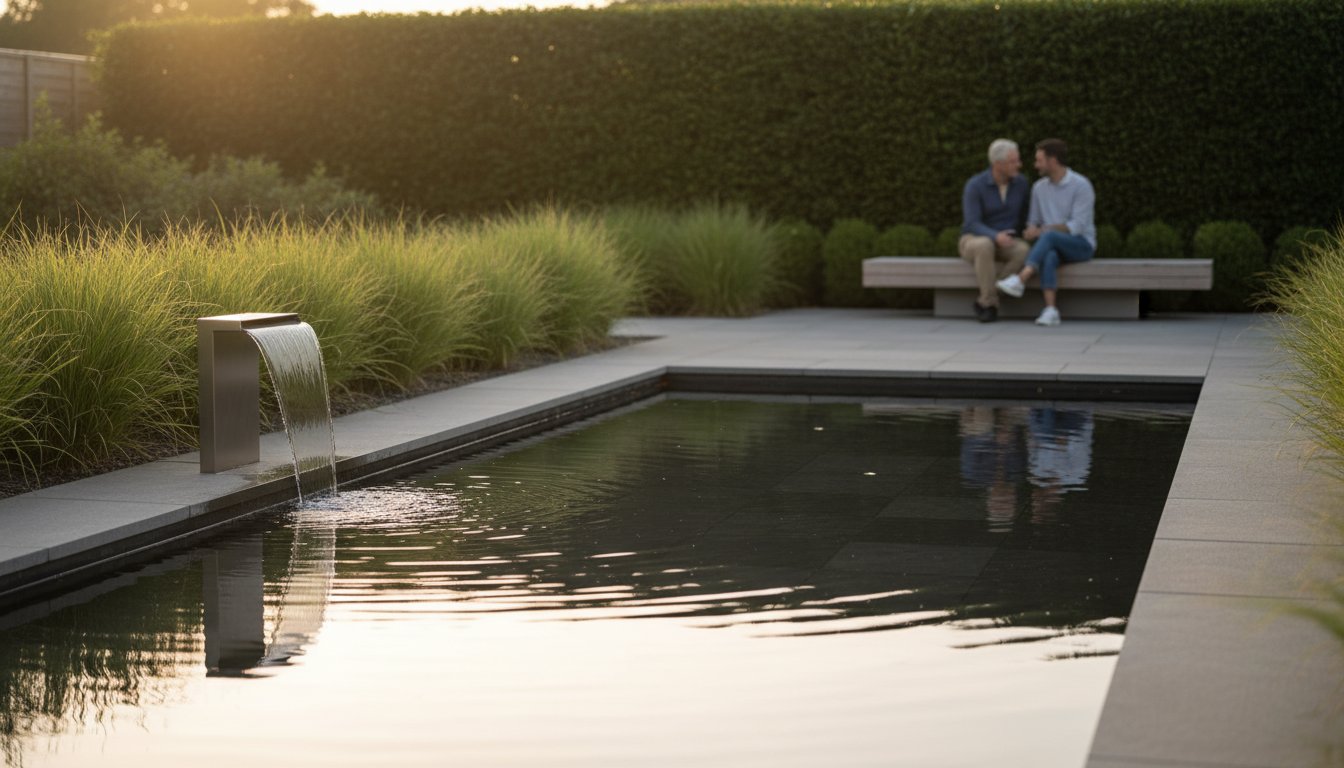
The vision of a garden sanctuary, anchored by a sophisticated water feature, is a timeless aspiration. Yet the ambition to create a beautiful fountain with pond is often met with hesitation. Concerns over a feature appearing cheap or out of place, confusion about project scale and potential costs, and the complexities of pumps and maintenance can be overwhelming. The goal is to create a statement piece, not a source of frustration or unforeseen expense.
This guide is designed to provide clarity and confidence. We will demystify the process, exploring the essential design principles for a harmonious and high-end aesthetic. You will learn to make informed decisions on materials and styles, understand the technical elements, and ultimately master the art of combining moving water with tranquil reflection. Transform your garden into a curated haven of serenity and refined taste.
The Vision: Why a Fountain and Pond Elevates Your Outdoor Space
A water feature is more than a garden accessory; it is a transformative element. It establishes a natural focal point, lending structure and purpose to your landscape. The combination of gentle sound and dynamic light introduces a sensory dimension that static planting alone cannot achieve. It is an investment in the atmosphere of your entire property.
The visual appeal is immediate. A pond’s surface acts as a living mirror, reflecting the shifting sky and surrounding foliage, creating an illusion of greater space and depth. This tranquil scene is animated by the fountain, its movement catching the light and creating a constant, subtle shimmer. Beyond its beauty, a fountain with pond becomes a vibrant micro-habitat, inviting birds to bathe and dragonflies to visit, introducing a welcome layer of natural life. It is the definitive statement piece for a curated garden.
Defining the Ambience
The presence of water allows you to dictate the mood of your outdoor space. Design a serene retreat for quiet reflection and mindfulness, a place to disconnect from the everyday. Alternatively, a well-placed feature can serve as an elegant centrepiece for entertaining guests, providing a sophisticated backdrop for social gatherings. For more structured landscapes, a formal design can create a classical, timeless feel that complements traditional architecture.
Beyond Aesthetics: The Psychological Benefits
The restorative power of water is well-documented. The gentle, rhythmic sound of a fountain has a proven calming effect, reducing stress and promoting mental clarity. This ambient sound also serves a practical purpose, effectively masking unwanted background noise from nearby traffic or neighbours. Integrating a water feature is fundamental to modern landscape architecture and garden design, offering a simple yet profound way to connect with the natural world within the privacy of your own garden.
Ultimately, installing a fountain with pond is a decision to cultivate serenity. It is a commitment to creating a space that is not only visually impressive but also enriching to the soul, offering a sanctuary of peace and natural beauty.
Essential Design Principles for a Harmonious Water Feature
A successful water feature begins not with excavation, but with intention. The final design of your fountain with pond should feel like an inherent part of the landscape, a deliberate and sophisticated statement. Before selecting a pump or stone, establish a clear vision. Consider the existing lines of your garden, the architecture of your home, and the atmosphere you wish to cultivate. A well-designed feature balances aesthetics with function, creating a focal point that offers serenity and style in equal measure. Plan for elements like lighting from the outset to ensure a dramatic effect that extends the enjoyment of your garden into the evening.
Scale, Proportion, and Placement
The location and size of your water feature are critical to its success. An oversized fountain can dominate a small courtyard, while a diminutive pond may be lost in an expansive lawn. Consider these key factors:
- Viewpoints: Position the feature where it can be appreciated from a patio, kitchen window, or primary seating area.
- Proportion: Ensure the scale of the fountain is balanced with the pond’s surface area and the overall garden dimensions.
- Sun Exposure: A location with partial shade can help manage algae growth. Full sun requires more diligent maintenance.
- Practicalities: Plan for safe and convenient access to a power source for the pump and any lighting. For detailed technical advice, an expert resource like a guide to planning and constructing ponds can be invaluable.
Formal vs. Informal Styles
The style of your fountain with pond should be a direct reflection of your home and garden’s character. A formal design is defined by geometric precision-think circular ponds, symmetrical layouts, and clean, crisp lines that command attention. In contrast, an informal or naturalistic style evokes the organic forms of nature with free-form shapes, rock-strewn edges, and cascading water. For a modern aesthetic, a contemporary design uses minimalist forms, bold materials like steel or polished concrete, and sharp, architectural angles.
Integrating with the Landscape
A truly harmonious water feature does not sit in isolation; it integrates seamlessly with its surroundings. Use materials for the pond edging or fountain base that echo the stone or brickwork of your house or patio. Connect the feature to seating areas with elegant stone pathways. Finally, frame the view and soften hard edges with considered planting. Architectural grasses, ferns, and hostas can provide texture and colour, anchoring the installation firmly within the garden scheme and completing your vision of outdoor serenity.
Selecting Materials: The Foundation of a Luxury Finish
Material selection defines the character and longevity of your fountain with pond. It is the foundation of a luxury finish, influencing the sound of the water and the tactile quality of the structure. The choice dictates style, from classic formality to contemporary minimalism. A successful design often contrasts natural textures with smooth, modern surfaces. Consider how materials will age-developing a patina or retaining their finish. For the UK climate, ensuring all components are frost-proof is essential for a lasting investment.
The Timelessness of Natural Stone
Natural stone offers an authentic, timeless quality. Materials like rugged sandstone, dark layered slate, or speckled granite integrate seamlessly into a naturalistic garden. Their unique veins and textures ensure no two pieces are identical, creating a truly bespoke water feature. Stone is exceptionally durable, developing a mature, weathered character over the years. It is the definitive choice for a feature grounded in tradition and organic elegance, becoming an enduring part of the landscape.
The Versatility of Cast Stone and Concrete
Cast stone and concrete provide exceptional design flexibility. Intricate, classical forms-from tiered fountains to statuary-are achievable with cast stone, replicating the grandeur of historical gardens. For a contemporary aesthetic, polished or board-formed concrete delivers a sleek, architectural statement with clean lines. Available in various colours and finishes, these materials offer a robust and often more cost-effective alternative to quarried stone, without compromising on presence or durability.
Contemporary Metals and Finishes
Metal elements introduce a refined, sculptural quality, often used for spouts, water blades, or decorative accents. The choice of metal dictates the final aesthetic and how the feature interacts with light and water.
- Corten Steel: Develops a stable, rust-like patina for an industrial, rustic appeal that evolves with exposure.
- Stainless Steel: Offers a sharp, reflective surface for a crisp, modern feature that mirrors its surroundings.
- Copper & Bronze: Provide timeless elegance, ageing gracefully from a bright lustre to a distinguished verdigris finish.

The Fountain: Choosing a Statement Centrepiece
While the pond provides a tranquil surface, the fountain introduces movement, sound, and character. It is the active element, the statement piece that dictates the atmosphere of your garden sanctuary. The key to a successful design is proportion. The height of the water spray must be in scale with the pond’s dimensions to create a harmonious visual balance. A carefully selected fountain with pond transforms a static water feature into a dynamic focal point.
Consider the desired auditory texture. Are you seeking the gentle burble of a discreet stream or the dramatic cascade of a formal centrepiece? The choice between a self-contained unit and a custom-built installation will depend on your garden’s existing structure and aesthetic ambition.
Fountain Styles and Their Effects
The style of your fountain defines its visual and acoustic impact. Each form offers a unique contribution to the garden’s character.
- Cascading: Multi-tiered designs that produce a classic, gentle sound. Ideal for creating a serene and traditional ambience.
- Bubblers & Jets: Subtle, minimalist options that create gentle ripples. Perfectly suited for contemporary designs or smaller spaces where a quiet presence is desired.
- Statuary: A timeless choice, offering an artistic focal point. Statuary fountains lend a sense of permanence and formality to classic garden layouts.
- Wall Fountains: An excellent space-saving solution for courtyards or patios. Mounted against a boundary, they add sound and interest without compromising floor space.
Understanding Pump and Filtration Systems
The technical components are the heart of your fountain with pond. Selecting a pump with the correct flow rate, measured in Litres Per Hour (LPH), is critical to achieving your desired water effect-from a gentle trickle to a powerful jet. A robust filtration system is not an optional extra; it is essential for maintaining water clarity and a healthy aquatic environment, preventing algae and debris build-up. For modern installations, consider energy-efficient or solar-powered pumps to minimise environmental impact and running costs.
Accessorising with Light
Lighting transforms your water feature from a daytime delight into a dramatic nocturnal spectacle. Submersible LED lights can illuminate the water from within, creating an ethereal glow as it moves. Alternatively, carefully positioned uplighters can accentuate the fountain’s form, casting elegant reflections and shadows on surrounding foliage and structures. The right illumination completes the design. Discover statement accessories to complement your garden design.
Ensuring Lasting Beauty: Installation and Maintenance
A water feature is an investment in the tranquillity and aesthetic of your garden. To protect this investment, correct installation and diligent maintenance are paramount. These foundational steps ensure your fountain and pond operate flawlessly, preserving their serene beauty for years to come and providing a lasting focal point for your outdoor space.
Professional Installation vs. DIY
While smaller, self-contained water features can be a satisfying DIY project, larger or more integrated designs warrant professional expertise. A landscape professional manages critical tasks such as correct excavation, precise liner installation, and certified electrical work for pumps and lighting. Their guidance on placement and drainage is invaluable, preventing future issues with water loss or instability. A perfectly level base is the critical foundation for any successful installation, ensuring water flows correctly and the structure remains stable.
A Simple Maintenance Schedule
Routine care is essential for water clarity and the longevity of your equipment. A consistent schedule prevents minor issues from becoming significant problems. Key tasks include:
- Weekly: Remove leaves and floating debris with a skimmer net. Check the water level, topping it up as needed, particularly during warmer months to counteract evaporation.
- Monthly: Inspect the pump’s filter or pre-filter screen, cleaning it to ensure optimal water flow and prevent strain on the motor.
- As Needed: Use appropriate, high-quality water treatments to control algae and maintain a balanced, healthy ecosystem.
Preparing for the Seasons
Adjusting your maintenance routine seasonally will protect your fountain with pond throughout the year. In autumn, stretching a fine mesh net over the pond surface is an effective way to catch falling leaves before they decompose. For UK winters, it is crucial to winterise your system. This typically involves disconnecting the pump, draining it completely, and storing it indoors to prevent frost damage. A spring refresh, including a partial water change and equipment check, prepares your feature for the season ahead. Once established, style the perfect seating area to enjoy your new feature with our luxury garden furniture.
Completing Your Vision of Serenity
Creating a truly captivating garden water feature is an exercise in balance and intention. It begins with a clear vision, where harmonious design principles guide every choice, ensuring the final piece complements your landscape. From selecting enduring, high-quality materials that speak of permanence to choosing a statement fountain as the definitive centrepiece, each element contributes to a luxurious aesthetic. With professional installation and consistent care, your fountain with pond will mature into a lasting source of tranquility and sophisticated style.
Your water feature provides the sound and movement; now, complete the scene with comfort and elegance. As purveyors of statement furniture and luxury accessories, Womacks Of Bawtry understands that a true sanctuary is a cohesive whole. Our expertly curated collections are designed for the sophisticated home, allowing you to extend your interior style into your garden. For a truly seamless transition, our interior design services are available to guide your selections. Explore our collection of luxury garden furniture and discover the pieces that will transform your garden into a true retreat.
Frequently Asked Questions
How much maintenance does a fountain with a pond typically require?
A well-designed water feature requires straightforward, consistent maintenance. Weekly tasks include clearing leaves and debris, checking water levels to protect the pump, and inspecting the pump’s filter for blockages. Seasonally, a more thorough clean may be necessary to manage sediment. This simple regimen preserves the feature’s clarity and ensures its continuous, serene operation, maintaining the garden’s curated aesthetic and protecting your investment.
Can I add aquatic plants or fish to my pond feature?
Yes, introducing aquatic life can elevate your water feature into a vibrant ecosystem. Select hardy plants like water lilies or irises to complement the design. For fish, consider species such as goldfish or shubunkins, which are well-suited to UK garden ponds. Ensure your pump and filtration system are adequately sized to handle the increased biological load, maintaining water clarity and a healthy environment for both flora and fauna.
What are the key differences in cost between material choices like cast stone and natural slate?
Material selection significantly influences both cost and aesthetic. Cast stone fountains are a popular choice, offering durability and a classic look with prices typically ranging from £300 to £1,500. Natural slate represents a premium investment, valued for its unique texture and organic beauty. A feature crafted from natural slate will often start from £1,000 and can exceed £5,000, reflecting its status as a bespoke, statement piece for a discerning garden design.
Do I need a dedicated power line installed for a garden fountain?
For most garden fountains, a dedicated power supply is the safest solution. While some smaller models can operate via an indoor socket, a permanent installation requires an outdoor-rated, RCD-protected socket. This work must be completed by a qualified electrician to comply with UK wiring regulations (BS 7671). This ensures safe operation in all weather conditions and protects the longevity of your pump motor, which is essential for proper function.
What is the most effective way to prevent algae from forming in the pond?
Maintaining water clarity involves a combination of strategic placement and consistent care. Position your fountain with pond to limit direct, intense sunlight, which fuels algae growth. Introducing floating plants like water lilies provides natural shade. A correctly sized pump ensures constant water circulation, while a UV clarifier is a highly effective technical solution for eliminating suspended algae. This multi-faceted approach ensures a pristine and visually appealing water feature.
How do I choose the right size pump for my fountain and pond?
Selecting the correct pump is critical for performance. The key metric is the flow rate, measured in litres per hour (LPH). A general rule is to choose a pump that can circulate the entire volume of your pond at least once every two hours. You must also consider the “head height”-the vertical distance from the pump to the fountain’s highest point. Ensure the pump’s specifications meet this requirement to achieve the desired water flow and visual effect.