
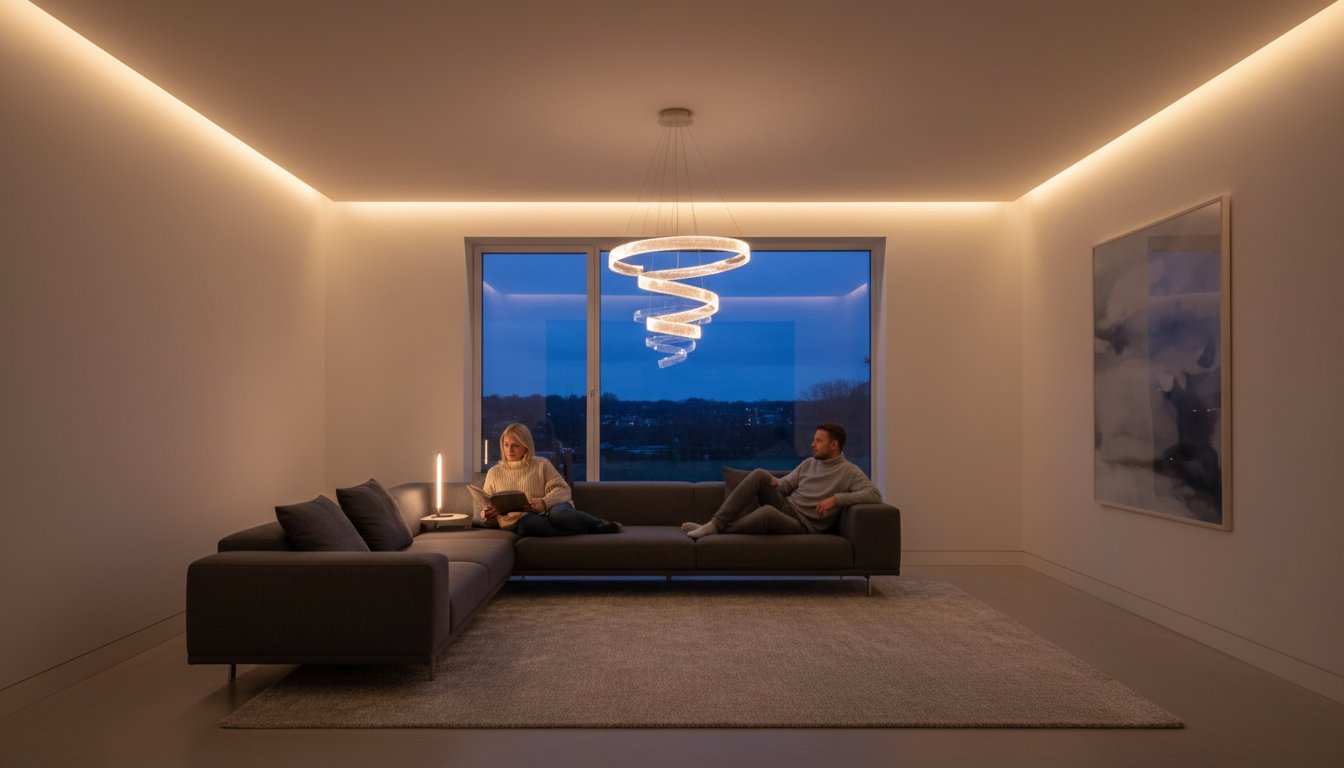
The character of a room is often defined not by its furniture, but by its light. Yet, achieving the correct balance can be elusive, leaving a space feeling stark under a harsh glare or lost in shadows that obscure its finest features. This common design challenge stems from overlooking the most crucial element: a well-considered foundation. This is the essence of sophisticated ambient lighting design-the art of creating a general, uniform illumination that sets the tone for the entire space, moving beyond simple brightness to cultivate an atmosphere of warmth and understated elegance.
This guide demystifies the principles of creating this foundational layer. We will explore how to select the ideal fixtures, from statement chandeliers to discreet recessed lighting, and provide the clarity needed to craft a comfortable, inviting, and impeccably lit environment. Discover how to build a base of light that allows the true character of your home to emerge, forming the cornerstone of a layered and sophisticated lighting plan that feels both intentional and effortless.
Key Takeaways
- Understand ambient light as the foundational layer of illumination, essential for establishing a room’s overall mood and character.
- Discover how to select fixtures that not only provide general light but also contribute to your home’s distinct design aesthetic.
- Learn tailored strategies to apply the principles of ambient lighting design, enhancing the unique function of each individual room.
- Move beyond fixtures by incorporating essential controls, such as dimmer switches, to achieve a sophisticated and adaptable atmosphere.
What is Ambient Lighting? The Foundation of Sophisticated Design
Ambient lighting is the primary, general source of illumination within a room. It provides the uniform, overall glow that allows you to navigate a space safely and comfortably. Consider it the foundational layer of any successful lighting scheme. Effective ambient lighting design is the canvas upon which all other light is painted, creating a base level of visibility without harsh glare or deep, dramatic shadows. Its purpose is not to draw attention to itself, but to establish the fundamental character and mood of the interior, making a space feel inviting, expansive, or serene.
Defining the Three Layers of Interior Lighting
A sophisticated interior relies on a deliberate, layered approach, a core tenet of architectural lighting design principles. This method combines three distinct types of light to create a functional and aesthetically cohesive environment. Each layer serves a specific, curated purpose.
- Ambient Light: The general, overall glow. This foundational canvas is often provided by ceiling fixtures, chandeliers, or recessed downlights.
- Task Light: Focused illumination for specific activities. Essential for areas where precision is required, such as a reading lamp by an armchair or under-cabinet lighting in a kitchen.
- Accent Light: Directional light that creates visual interest and drama. It is used to highlight architectural features, artwork, or a piece of statement furniture.
Why Ambient Light is the Most Crucial Layer
While each layer is integral, the ambient layer is paramount. It dictates the fundamental success of a room’s atmosphere and functionality. Its importance cannot be overstated for several key reasons. It ensures safety and navigability, reduces eye strain by softening contrasts, and creates the foundational atmosphere for the entire room. A poorly executed ambient layer-whether too dim, too cold, or poorly distributed-cannot be corrected by simply adding more lamps. It is the essential starting point for all refined interior design, and getting this base right is the first step in creating a truly sophisticated space.
The Art of Illumination: Key Principles of Ambient Lighting Design
Effective ambient lighting design moves beyond the simple utility of brightness, entering the realm of artistry. It is the practice of shaping a room’s character, sculpting its dimensions, and curating its atmosphere with carefully chosen light. The right illumination does more than just light a space; it interacts with every surface, enhancing the rich texture of a luxury rug, the subtle veining in a marble top, or the lustrous finish of hammered metal. A cohesive lighting plan, considered from the outset of any design project, is the foundation upon which a truly sophisticated interior is built.
Creating Mood and Atmosphere with Light
The quality of light directly influences the mood of a room. To cultivate a relaxing, cosy ambience in a living room or bedroom, employ warm, soft, and diffused light from multiple sources. This could be from a statement chandelier on a dimmer, supplemented by table lamps. For more functional spaces like kitchens or home offices, brighter, more uniform light creates an energetic and focused environment. By layering these ambient sources, you gain the versatility to transition a room’s atmosphere from vibrant to serene at a moment’s notice.
Altering the Perception of Space
Light is a powerful tool for manipulating the perceived size and scale of a room. Washing walls with an even layer of light, a technique known as wall grazing, can make a small room feel significantly more open and spacious by drawing the eye outward. Conversely, lower ambient light levels and focused pools of light create shadows that can make a large, open-plan space feel more intimate and enclosed. To add a sense of height and grandeur, direct light towards the ceiling to draw the gaze upward and create an airy feel.
The Critical Role of Colour Temperature (Kelvin)
The colour of light, measured on the Kelvin (K) scale, has a profound psychological impact. Understanding this is essential for maximising both the aesthetic and the modern lighting efficiency of your chosen fixtures. Different temperatures evoke distinct feelings and are suited to different functions.
- Warm White (2700K-3000K): This light is soft, yellow, and reminiscent of traditional incandescent bulbs. It is ideal for living rooms and bedrooms, where it promotes relaxation and comfort.
- Neutral White (3500K-4000K): A clearer, more balanced light that renders colours accurately. It is perfectly suited for kitchens, bathrooms, and home offices where clarity and focus are paramount.
Sources of Ambient Light: Curating Your Fixtures
Effective ambient lighting design is not merely about brightness; it is about the careful selection of fixtures that both illuminate and elevate a space. The light source itself is a critical component of your interior aesthetic, acting as a functional sculpture that defines a room’s character. The primary goal is to achieve a soft, uniform glow that eliminates harsh shadows and uncomfortable glare. This requires choosing fixtures that excel at light diffusion, casting a comfortable and inviting illumination throughout the entire area.
Statement Ceiling Fixtures: Chandeliers and Pendants
A chandelier or a striking pendant light serves as a room’s focal point, functioning as both a primary light source and a central decorative element. In a living room or over a dining table, these fixtures command attention and establish a clear design theme, from classic crystal elegance to contemporary minimalist forms. For optimal ambient light, select designs that diffuse light upwards and outwards. Sizing is crucial; the fixture must be proportionate to the room’s scale and hung at a height that allows for widespread illumination without obstructing views.
Subtle Illumination: Flush Mounts and Semi-Flush Mounts
For rooms with lower ceilings or where a more understated approach is preferred, flush and semi-flush mounts are the ideal solution. These fixtures sit close to the ceiling, providing widespread, non-intrusive light that seamlessly integrates into the space. Their strength lies in their subtlety, offering a clean and uncluttered look while fulfilling the foundational lighting needs of a room. Understanding basic lighting principles and terms can help in choosing a fixture with the right level of diffusion and output for spaces like hallways, bedrooms, or utility areas.
Wall-Mounted Lighting: The Versatility of Sconces
Wall sconces add a sophisticated layer to your ambient lighting scheme. Instead of casting light down from above, they wash walls with a gentle, indirect glow, which can make a room feel larger and more intimate. They are perfect for framing a statement mirror in an entryway, lining a hallway to guide the way, or adding a symmetrical accent to a living room. When used in pairs or multiples, sconces create a pleasing rhythm and a balanced, cohesive effect. Discover our curated collection of luxury lighting.

Room-by-Room Strategies for Ambient Lighting
Effective ambient lighting design is not a uniform solution. It is a curated approach, tailored to the unique function and desired atmosphere of each individual space. Achieving the correct balance between practical illumination and sophisticated style is the hallmark of a well-considered home, ensuring every room feels both functional and inviting.
The Living Room: Creating Warmth and Versatility
The heart of the home requires a truly versatile lighting scheme. A central statement pendant or chandelier can provide the primary layer of light, while discreet wall sconces or architectural cove lighting add a soft, ambient wash. It is essential that all circuits are controlled by dimmer switches, allowing the mood to transition seamlessly from a bright, functional space to an intimate, welcoming glow for evening relaxation.
The Bedroom: A Serene and Restful Retreat
This space demands a focus on serenity. The goal is a restful retreat, achieved through soft, warm, and indirect light sources. Avoid harsh, direct overhead fixtures, especially positioned above the bed. Instead, consider a refined flush mount fixture or a small, elegant chandelier on a dimmer. This approach provides sufficient general light for dressing without compromising the room’s primary purpose as a tranquil sanctuary.
The Dining Room: Setting the Scene for Entertaining
Here, lighting sets the stage for memorable entertaining. The key is a striking chandelier or pendant light positioned centrally above the dining table. It should cast a flattering light onto the table itself, creating a distinct focal point without causing uncomfortable glare for guests. To complete the scheme, supplement this with subtle wall sconces or integrated lighting in a display cabinet, adding layers of warmth and dimension to the room.
A thoughtful, room-by-room approach to ambient lighting elevates your interior choices, highlighting the quality and design of each piece. Discover curated lighting and statement furniture to create your perfect atmosphere.
Achieving the Perfect Glow: Dimmers, Bulbs, and Controls
Selecting a statement chandelier or a series of elegant wall sconces is only the first step. The true artistry in a successful ambient lighting design scheme lies not just in the fixtures, but in how you control them. The ability to manipulate the intensity and quality of light is what transforms a room from a static space into a dynamic, responsive environment tailored to any occasion.
The Essential Role of Dimmer Switches
A dimmer switch is perhaps the most critical component for mastering a room’s atmosphere. It is the key to unlocking the full potential of your lighting, allowing you to transition seamlessly from bright, functional light for daytime activities to a soft, intimate glow for evening relaxation or entertaining. For a flawless experience, it is essential to ensure your dimmer switch is compatible with your chosen bulbs, particularly with LEDs, to prevent any undesirable flickering or buzzing.
Selecting the Right Light Bulbs
The bulb itself dictates the quality of the light. We recommend high-quality LED bulbs for their superior energy efficiency and longevity. When selecting them, consider two key metrics:
- Colour Rendering Index (CRI): This measures how accurately a light source reveals the true colours of objects. For interiors where colour is paramount, aim for a CRI of 90 or higher to ensure your fabrics, artwork, and finishes appear exactly as intended.
- Colour Temperature (Kelvin): Measured in Kelvin (K), this defines the warmth or coolness of the light. A lower Kelvin value (2700K-3000K) produces a warm, cosy light ideal for living rooms and bedrooms, while a higher value (3500K-4100K) creates a crisper, cooler light suited for kitchens and bathrooms.
Integrating Smart Lighting Controls
For the ultimate in convenience and customisation, smart lighting systems offer unparalleled control. Managed from a smartphone app or via voice commands, these systems allow you to adjust individual lights or entire rooms with effortless precision. You can create and save pre-set lighting ‘scenes’ for different activities-such as ‘Dining’, ‘Reading’, or ‘Movie Night’-instantly recalling the perfect ambience. This modern approach to ambient lighting design elevates a home’s luxury and functionality.
Perfecting these technical details ensures your lighting is not merely functional, but truly exceptional. Consult our interior design experts for a bespoke lighting plan.
Refine Your Atmosphere with Considered Illumination
Mastering ambient light is the crucial first step towards a truly considered interior. As the foundational layer, it sets the definitive tone for a space, ensuring every room is both effortlessly functional and warmly inviting. A successful scheme balances fixture selection with the nuanced control of dimmers and bulbs. This is the essence of sophisticated ambient lighting design-transforming a simple room into a refined sanctuary.
At Womacks Of Bawtry, we believe that exceptional lighting is the ultimate statement accessory. Our expert interior design services are rooted in this philosophy, curating collections of luxury lighting designed to harmonise with our statement furniture and accessories. Each piece is selected for its ability to create an atmosphere of quiet elegance and lasting style.
Begin the journey to a perfectly illuminated home. Explore our curated collections of designer lighting to find your perfect statement piece. Create an environment that is not just seen, but felt.
Frequently Asked Questions
Is a floor or table lamp considered ambient lighting?
Yes, certain lamps are central to effective ambient lighting design. A floor or table lamp with a translucent shade that diffuses light upwards and outwards contributes to a room’s overall illumination. For instance, a tall floor lamp in a corner can wash walls with a soft glow. Conversely, a lamp with an opaque, downward-facing shade is typically considered task lighting. The key is how the fixture distributes light to create a uniform foundation.
What is the difference between ambient lighting and mood lighting?
Ambient lighting is the foundational, general illumination of a space, ensuring visibility and comfort. Mood lighting, by contrast, is a more focused application designed to create a specific atmosphere or feeling. While a well-executed ambient scheme can influence mood, its primary function is practical. Mood lighting often involves lower light levels or statement pieces used to evoke a particular emotional response, such as intimacy or relaxation.
How many ambient light sources does a typical living room need?
A typical UK living room benefits from three to four layered light sources to create a balanced ambient effect. Relying on a single central pendant often creates harsh shadows and a flat atmosphere. A successful scheme might combine a central fixture with two table or floor lamps placed strategically. This layered approach allows for flexibility, ensuring the room feels welcoming and is illuminated without glare, adapting to different uses throughout the day.
Can recessed lighting (downlights) be used for ambient light?
Yes, recessed lighting is an excellent tool for creating a base layer of ambient light when used correctly. For a soft, even glow, position downlights to wash light over walls rather than pointing them straight down. Using wide-beam angle fixtures and installing a dimmer switch is crucial. This provides control over the intensity, forming an integral part of a sophisticated ambient lighting design that avoids the common ‘spotlighting’ effect.
How do I best balance ambient lighting with the natural light in a room?
To balance ambient and natural light, observe how daylight moves through your space. Place supplementary ambient sources, such as floor lamps, in darker corners that natural light does not reach. Install dimmer controls on all main fixtures to adjust their intensity as daylight fades. Sheer window treatments can also help by diffusing harsh sunlight, creating a softer transition between natural and artificial illumination for a seamless aesthetic.
What is the ideal brightness (lumens) for ambient lighting in a bedroom?
For a bedroom’s ambient lighting, aim for a total brightness of 1,500 to 3,000 lumens, distributed across several fixtures rather than from a single source. A central ceiling light could provide 1,000 lumens, supplemented by two bedside lamps at 400 lumens each. The key is creating a restful, soft environment. A colour temperature between 2700K and 3000K (warm white) is also essential for a relaxing atmosphere.