
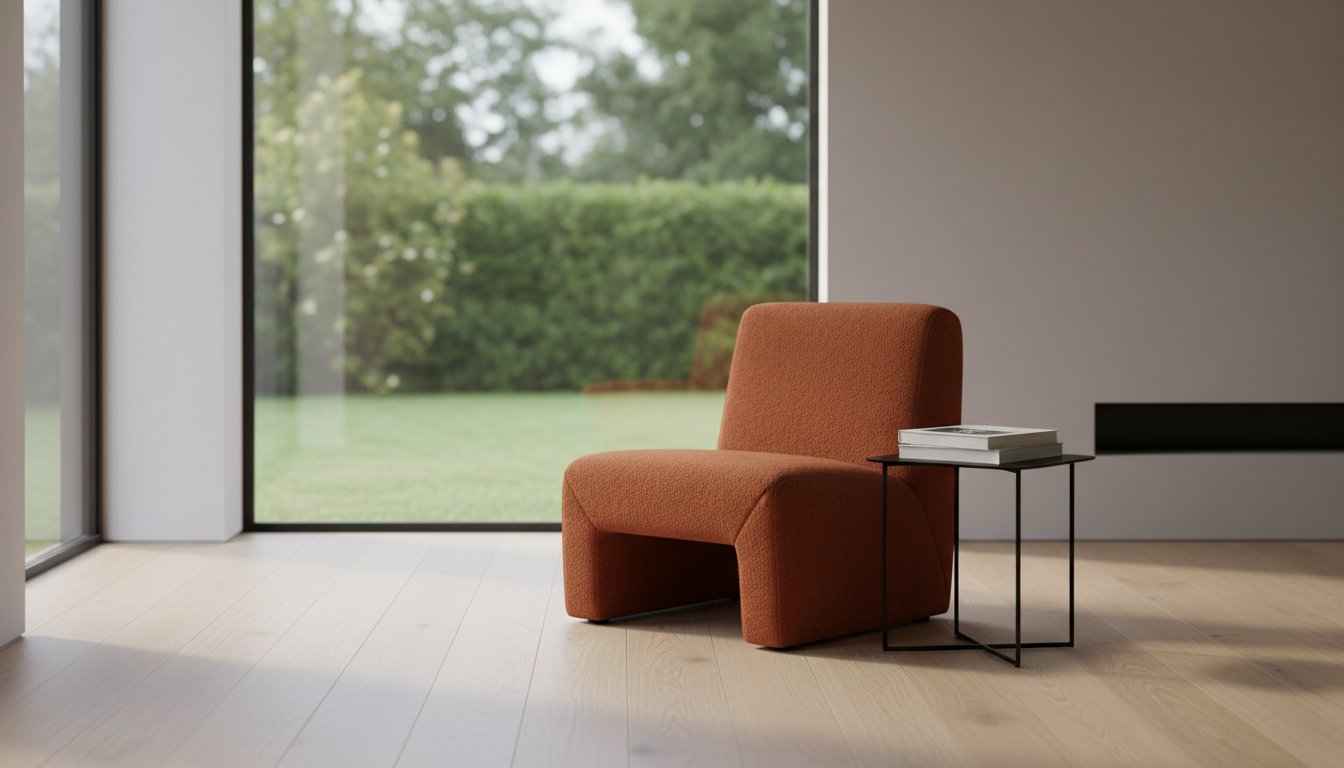
A curated interior speaks a clear language of style and intent. Yet, even with considered pieces, a room can feel unresolved, lacking a definitive ‘wow’ factor or a clear visual anchor. This is the role of statement furniture, and no piece performs this function with more elegance and authority than the central chair. More than mere seating, it is a deliberate design statement-an anchor that commands attention and defines the character of the entire space, transforming the atmosphere from pleasant to purposeful.
But selecting a chair that stands out with taste, rather than intrusion, requires a discerning eye. It is the crucial difference between a simple accent and a true statement piece. This guide moves beyond theory to offer practical direction. We will explore the principles of selecting the perfect form, placing it for maximum impact, and styling your chosen piece to create a sophisticated focal point. Discover how to transform your room from simply furnished to expertly curated, establishing a designer-led aesthetic with a single, decisive choice.
Key Takeaways
- Understand the central chair not as mere seating, but as the primary visual anchor that defines an interior’s character.
- Select a statement piece through a curated approach, ensuring the design aligns with your personal style and the room’s purpose.
- Position your focal point for maximum impact by considering the primary sightlines from the room’s main entryway.
- Master the art of accessorising to style your central chair into a sophisticated vignette that elevates the entire space.
Defining the Central Chair: More Than Just a Seat
In the world of curated interiors, certain pieces are chosen not just for function, but for their power to define a space. The central chair is not a specific type of furniture, but rather a strategic role assigned to a singular, commanding seat. It serves as the primary visual anchor, the piece from which the room’s entire aesthetic and tone originates. Its purpose is to create a deliberate and sophisticated focal point, a concept that aligns with fundamental interior design principles of balance and emphasis. This is the seat that commands attention, drawing the eye and setting the stage for the rest of the design narrative.
The Hallmarks of a Central Chair
A chair designated for this leading role possesses specific, undeniable qualities. These are the markers of a true statement piece, designed to captivate through exceptional form, materiality, or colour.
- Distinctive Silhouette: A unique or sculptural form that stands apart from conventional seating. Think of dramatic high backs, sweeping curves, or an architectural frame that acts as art in its own right.
- Bold Colour or Pattern: Upholstery that makes a definitive statement. A jewel-toned velvet, a striking geometric print, or a vibrant solid hue can instantly establish the chair’s authority.
- Luxurious Materiality: The tactile quality is as important as the visual. Rich, sumptuous materials such as full-grain leather, plush bouclé, or opulent velvets signal premium quality and comfort.
- Design Pedigree: The piece may be an iconic design classic or a bold, contemporary form from a celebrated designer. Its heritage or artistic merit contributes to its focal-point status.
Central Chair vs. Accent Chair: A Key Distinction
It is crucial to distinguish between a central and an accent chair. While both add interest, their functions are fundamentally different. An accent chair complements an existing scheme, adding a touch of colour or a contrasting shape. A central chair, however, leads the design. It is the gravitational force in the room, dictating the placement of sofas, tables, and even rugs. Often larger in scale or more visually dominant through its form, it is not an addition to the conversation-it is the one that starts it.
Selecting Your Central Chair: A Curated Approach
Choosing a focal point for a room is an exercise in curation, not merely shopping. The right central chair is a definitive statement of personal style, selected to enhance both the room’s purpose and its architectural soul. It must be more than an object; it should be an invitation. Whether creating a quiet reading corner or an anchor for social gatherings, the key is to balance profound aesthetic impact with the essential, practical demands of comfort and function.
This deliberate process considers how the chair will inhabit the space, interacting with existing features like a fireplace or a bay window to create a complete, intentional design narrative.
Mastering Scale and Proportion
The physical presence of your chair must be in dialogue with its surroundings. Ensure its size is appropriate for the room’s dimensions, creating balance rather than overwhelming the space. In a more compact room, a larger, sculptural chair can be a bold and deliberate choice, establishing a confident, gallery-like feel. Consider verticality as well; a high-backed chair draws the eye upward, adding a sense of drama and height that complements lofty ceilings or grand windows.
Choosing Materials and Textures
The material of your chair dictates its tactile and visual character. Each finish offers a distinct personality, contributing to the room’s overall sensory experience. A considered selection is paramount.
- Velvet: Offers an immediate touch of opulence. Its deep pile enriches colour and provides a luxurious, soft finish that invites touch.
- Leather: A timeless choice that communicates sophistication. It is durable and develops a rich, unique patina over time, adding character and history to your space.
- Textured Weaves or Bold Patterns: For those seeking to make a definitive statement, a chair upholstered in a tactile weave or a striking pattern provides significant visual interest and artistic flair.
Harmonising with Your Existing Aesthetic
Your chosen piece must relate to its environment. The primary decision is whether it should complement the existing decor or provide an artful, deliberate contrast. Understanding the fundamentals of how to choose an accent chair can guide your decision between a piece that blends seamlessly or one that offers a striking juxtaposition. A sleek, modern form, for example, can energise a traditional space with period details, creating a sophisticated tension between old and new.
For a more cohesive feel, identify a key colour from a piece of artwork or a luxury rug in the room and echo it in the upholstery of your central chair. This simple technique creates a polished, designer-led aesthetic with minimal effort.

Strategic Placement: Positioning Your Focal Point for Impact
The selection of a statement chair is only the first step. Its true impact is defined by placement. A thoughtfully positioned chair commands attention and dictates the flow of a room, transforming it from a simple piece of furniture into a deliberate design feature. For maximum effect, it should be visible from the primary entryway, immediately establishing a sense of curated style.
Avoid the common impulse to push furniture flat against a wall. A true focal point requires space to breathe, allowing its form, silhouette, and texture to be fully appreciated from all angles. Before settling on a location, consider the room’s natural sightlines, ensuring your chosen central chair relates harmoniously to windows, doorways, and other key architectural elements.
Anchoring a Living Room Conversation Area
In a living room, a statement chair anchors the entire seating arrangement. Positioned opposite a sofa, it creates a balanced and engaging composition, perfect for conversation. For open-plan living, use the chair to define the boundary of the lounge area, creating an intimate zone within a larger space. Angling it slightly towards the room’s heart invites interaction and completes the social circle, making the layout feel both intentional and welcoming.
Creating a Refined Reading Nook
Transform a quiet corner into a destination. A well-placed chair, paired with a dedicated floor lamp and a discreet side table, creates a functional and elegant reading nook. A bay window provides a superb natural backdrop, framing the chair and bathing it in soft light. This approach carves out a sophisticated vignette, adding a layer of purpose and style to an underutilised area of a bedroom or study, proving that a central chair need not always be in the centre of a room to be its focus.
Making a Statement in an Entryway or Landing
Transitional spaces offer a unique opportunity for design impact. Placing a distinguished chair in an entryway or on a spacious landing introduces unexpected grandeur and sophistication. Position it beneath a significant piece of art or alongside a sleek console table to create a deliberate, gallery-like composition. This single piece of furniture provides a powerful sense of arrival and immediately communicates your home’s design ethos to guests.
Ultimately, strategic placement transforms your chosen piece from mere seating into a cornerstone of your interior design. Discover the perfect focal point within our curated collection of designer furniture.
Styling Your Central Chair: The Art of Accessorising
A statement chair is more than a place to sit; it is the foundation for a carefully styled vignette. The art of accessorising is one of restraint and intention. Each addition should enhance the chair’s form and fabric, not overwhelm it. The objective is to create a complete, curated look that feels both personal and impeccably designed. By thinking in layers-textiles for softness, lighting for drama, and adjacent surfaces for function-you can elevate your central chair from a simple piece of furniture to a true focal point.
Complementing with Statement Lighting
A sculptural floor lamp placed beside your chair does more than illuminate; it adds vertical interest and frames the setting. Especially in the evening, the focused pool of light creates an intimate, inviting atmosphere. For a sophisticated contrast, consider a lamp with a metallic finish, such as brushed brass or polished chrome. This juxtaposition of a hard, reflective surface against soft upholstery introduces a dynamic visual and tactile tension, underscoring the chair’s design.
Accessorising with Cushions and Throws
When it comes to textiles, less is invariably more. A single, luxurious cushion in a contrasting texture-think velvet against linen or a bold pattern against a solid colour-provides a perfect accent. To introduce another layer of comfort and elegance, drape a simple throw made from cashmere, merino wool, or high-quality faux fur over an arm or the back. The key is to avoid clutter. One or two impeccably chosen pieces are sufficient to add warmth and personality without detracting from the chair itself.
Pairing with an Elegant Side Table
The final element in this curated arrangement is a chic and functional side table. This piece provides a practical surface for a drink, a book, or a small decorative object. To continue the theme of material contrast, select a table crafted from marble, dark wood, or hammered metal. This small addition is what completes the vignette, transforming a standalone central chair into an intentional and finished composition. It signals that this space is designed for both style and purpose.
With these elements in place, your chair becomes the anchor of a sophisticated corner in your home. Explore our collection of statement chairs to find the perfect focal point for your own curated space.
Defining Your Space: The Final Statement
As we have explored, a central chair is far more than a simple seat; it is the definitive anchor of a room’s design narrative. Its power lies not just in its function, but in its form and presence. Through the curated approach of deliberate selection, strategic placement, and the artful touch of accessorising, you can transform an ordinary space into a sophisticated and balanced statement of personal taste.
Finding the perfect piece is the essential first step in this creative process. At Womacks Of Bawtry, our expertly curated furniture ranges are defined by luxury materials and compelling designer forms. Each piece is chosen for its ability to command attention and serve as a room’s focal point. We invite you to discover our curated collection of Statement Chairs and find the anchor for your interior vision.
Should you require guidance in making your selection, our interior design services are available for expert consultation. Begin the journey to create a space that is not just furnished, but artfully composed.
Frequently Asked Questions
Can a smaller chair work as a central chair?
Yes. A chair’s impact is defined by its design, not its scale. A smaller piece with a striking silhouette or luxurious upholstery can command attention effectively. Consider a sculptural occasional chair placed strategically to draw the eye. The key is confident design and deliberate placement, creating a focal point through artistry rather than size. This approach suits more compact living spaces or curated reading corners, proving that a central chair excels through form over footprint.
Should my central chair match my sofa?
No. A central chair should provide a deliberate contrast. Matching it to the sofa dilutes its purpose as a statement piece and can result in a flat, uninspired scheme. Instead, select a chair that complements the sofa’s colour palette or style while standing apart. Consider a contrasting texture, such as a velvet chair against a linen sofa, to add depth and visual interest. This creates a layered, designer-led aesthetic that feels curated and intentional.
Is it better to choose a bold colour or a unique shape for a central chair?
The choice depends on your existing interior. For a minimalist space, a unique, sculptural shape in a neutral tone provides architectural interest without overwhelming the palette. In a more traditional room, a classic armchair in a bold, saturated colour like emerald or sapphire can serve as a powerful accent. Both methods achieve a strong focal point; the decision rests on creating balance within your curated space. Evaluate whether your room needs form or colour.
Can I use two chairs as a central focal point instead of one?
Certainly. A pair of matching armchairs creates a sophisticated and symmetrical focal point. This arrangement is ideal for framing a fireplace, a large window, or a piece of statement art. The dual chairs invite conversation and establish a sense of formal balance within the room’s layout. Ensure the chairs are identical in design and upholstery to maintain a clean, intentional look. This classic interior design principle adds both function and elegance.
How do I care for a velvet or leather central chair?
Velvet requires regular, light brushing with a soft-bristled brush to maintain its pile. Address spills immediately by blotting, not rubbing. For leather, dust weekly with a dry cloth and apply a specialist leather conditioner every six to twelve months to prevent drying and cracking. Both materials benefit from being positioned away from direct sunlight to avoid fading. Proper care preserves the investment and integrity of your statement furniture for years to come.
What is the best room in the house for a central chair?
The living room is the traditional choice, where a central chair can anchor a seating arrangement. However, they are equally effective in other spaces. A statement chair can elevate a master bedroom, creating a private reading nook. It can add character to a spacious hallway or provide a moment of repose in a home office. The ideal placement is any room that benefits from a single, powerful design element to act as its anchor.