


Posts by Womack
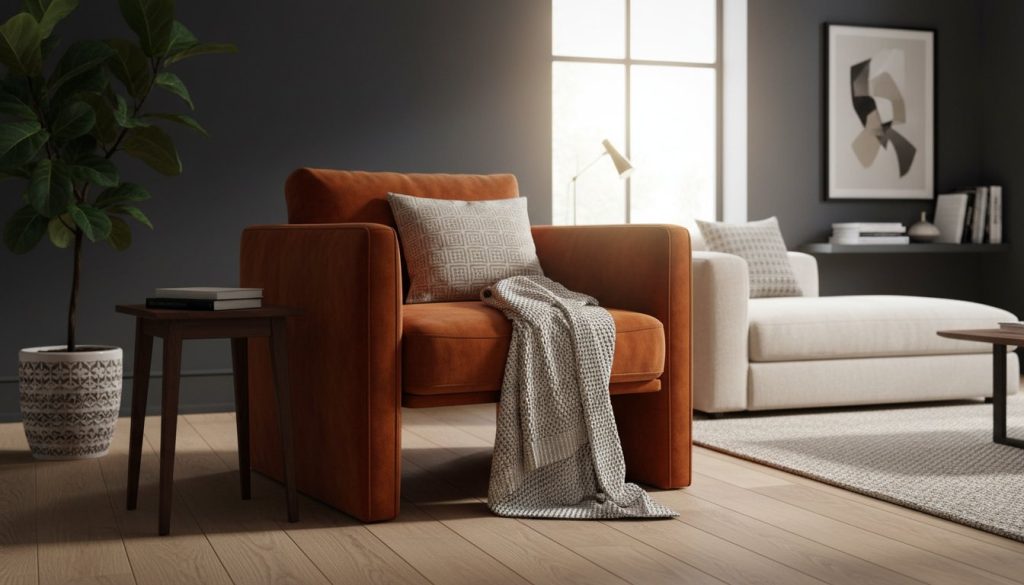
The Burnt Orange Armchair: A Guide to Styling this Statement Piece

Selecting a statement piece of furniture requires a certain confidence. The allure of a bold, rich colour is often tempered by the uncertainty of how to integrate it into an existing space. A piece as distinctive as a burnt orange armchair promises warmth and character, yet it can feel like a daunting choice. Will it overwhelm the room? Can it truly be a timeless addition, or is it merely a fleeting trend? These are the considerations that separate a well-intentioned room from a truly curated interior.
This guide is designed to remove that uncertainty. We will explore the principles of styling this iconic piece, offering expert advice on sophisticated colour palettes that complement its earthy tones. Discover how to choose between the tactile luxury of velvet and the classic appeal of leather, and learn the art of placement to create a focal point that is both inviting and elegant. Prepare to transform your space with confidence and create an atmosphere of refined warmth.
Key Takeaways
- Discover designer-approved colour palettes that guarantee an elegant pairing with your statement piece.
- Understand how material choice-from plush velvet to classic leather-defines the aesthetic of a burnt orange armchair.
- Master the art of placement by considering the chair’s purpose, whether as a reading nook or a conversational anchor.
- Learn to use accessories like cushions and throws to seamlessly integrate your armchair into your existing décor.
Why a Burnt Orange Armchair is a Mark of Sophisticated Design
In the world of interior design, moving beyond a palette of safe neutrals is a mark of confidence. While greys and beiges provide a dependable foundation, the introduction of a single, deliberate piece of statement furniture elevates a space from simply pleasant to truly memorable. The burnt orange armchair embodies this principle, offering a sophisticated yet welcoming focal point that speaks to a discerning taste.
This rich, earthy hue possesses a unique psychological resonance. It balances the energy of red with the optimism of yellow, resulting in a colour that evokes feelings of warmth, comfort, and creativity. Understanding basic color theory principles reveals how this specific shade can anchor a room, providing a sense of stability and warmth. Its heritage is rooted in iconic design movements, from the confident palettes of the mid-century modern era to its current revival in contemporary aesthetics, proving its timeless appeal.
The Enduring Appeal of Earthy Tones
Burnt orange is a timeless, nature-inspired hue drawn from autumnal landscapes and clay earth. This connection to the natural world gives it an inherent sense of calm and authenticity. Unlike brighter, more saturated oranges, it provides warmth without visual aggression, making it an inviting addition to any living space. Its versatility is unparalleled, offering a cosy accent in autumn and winter while echoing the vibrancy of a summer sunset in warmer months.
Making a Statement with Confidence
A single piece of furniture can define the entire character of a room, and a burnt orange armchair is designed to do precisely that. It serves as an immediate focal point, drawing the eye and inviting conversation. This makes it the perfect instrument for injecting personality into minimalist or neutral interiors, preventing them from feeling cold or impersonal. It is not merely seating; it is a declaration of style and an anchor for your design scheme.
Ultimately, this piece transcends trends to become a form of functional art. It is a confident choice that demonstrates a sophisticated understanding of colour, balance, and mood, transforming your room into a curated and expressive interior.
Styling with Burnt Orange: Curating the Perfect Colour Palette
A statement piece like a burnt orange armchair commands attention. Its success, however, lies not in isolation but in a carefully curated colour palette. The surrounding hues will define the room’s atmosphere, whether you seek a serene retreat, a dramatic statement, or an eclectic sanctuary. The key is to decide on the mood first, which will guide your colour choices.
To guarantee an elegant result, we explore three designer-approved palettes. Before committing to a scheme, we always advise testing paint swatches and fabric samples in your home. Observe how they interact with your unique natural and artificial light throughout the day to ensure the perfect balance.
Palette 1: Serene Neutrals and Natural Textures
For a calming and grounded aesthetic, pair burnt orange with a foundation of soft neutrals. Consider walls in warm greys, elegant off-whites, or anchoring deep charcoals. This creates a refined backdrop that allows the chair to shine without overwhelming the space. Complete this sophisticated, understated look by incorporating natural textures like pale oak furniture, woven jute rugs, and linen throws.
Palette 2: Bold and Dramatic Contrasts
To create a confident and memorable interior, embrace the power of dramatic contrast. Pairing your burnt orange armchair with deep, jewel-toned walls in navy blue, forest green, or rich teal delivers instant luxury and depth. This bold combination is not for the faint of heart but creates a truly high-impact result. Elevate the scheme further with polished metallic accents, such as brushed gold or brass lighting and accessories.
Palette 3: Harmonious Analogous Hues
An analogous palette uses adjacent colours on the colour wheel to create a warm, layered, and cohesive feel. Combine burnt orange with harmonious hues like rich mustards, deep terracotta reds, and subtle blush pinks. The key is to use these complementary colours in measured doses. For more expert tips on styling an accent chair and using accessories, this guide offers excellent inspiration. Introduce them through patterned cushions, abstract art, or a luxury throw to craft a welcoming, bohemian-inspired interior.
Material Matters: Choosing Between Velvet, Leather, and Linen
The character of a statement piece is defined by its texture. When selecting a burnt orange armchair, the choice of upholstery is as significant as the bold colour itself. The fabric dictates not only the chair’s aesthetic appeal and tactile experience but also its suitability for your lifestyle. Each material interacts with light and colour uniquely, transforming the chair from a simple piece of furniture into a curated design element. Consider the practical and stylistic implications of velvet, leather, and linen to ensure your selection perfectly complements your interior vision.
The Luxury of Burnt Orange Velvet
For an expression of pure opulence, velvet is the preeminent choice. This material possesses a deep pile that absorbs and reflects light, enhancing the richness and intensity of the burnt orange hue. Its plush, inviting texture creates an immediate sense of comfort and luxury, making it the perfect centrepiece for a formal living room or a sophisticated reading nook in a master bedroom. A velvet finish elevates the chair into a truly decadent statement piece.
The Timelessness of Burnt Orange Leather
Leather offers a classic, enduring appeal with a distinctively refined edge. A burnt orange armchair upholstered in quality leather introduces a sense of heritage and permanence to a space. Over time, it develops a unique patina-a subtle sheen and softening that tells a story and adds profound character. This durable and commanding material is an exceptional choice for a home office, a traditional library, or as a distinguished accent in a formal living area.
The Relaxed Feel of Burnt Orange Linen
Linen provides a lighter, more casual interpretation of this bold colour. Its natural, breathable weave offers a relaxed and understated elegance, preventing the vibrant hue from overpowering a room. The inherent texture of linen complements rustic, coastal, or minimalist decor schemes beautifully. This material is ideal for creating a comfortable, informal seating area in a bright sunroom or a relaxed family living space where approachability is key.
Choosing Your Finish: A Summary
- Velvet: Select for maximum colour depth and a luxurious, formal feel.
- Leather: Choose for classic durability and a character that improves with age.
- Linen: Opt for a casual, breathable texture suited to relaxed, airy interiors.
Placement and Purpose: Room-by-Room Inspiration
A statement armchair offers surprising versatility, capable of elevating almost any room with considered placement. Before introducing a new piece, define its purpose. Will it be a sanctuary for reading, a focal point for conversation, or a bold visual anchor? It is also essential to consider the scale of the chair relative to the room’s dimensions and to preserve a natural flow of traffic. A well-placed burnt orange armchair is more than just seating; it is a deliberate design element that completes a room’s aesthetic with confidence and style.
In the Living Room
The living room provides a natural stage for a statement piece. As a standalone accent, position your armchair at a slight angle away from the main sofa to create a distinct zone and draw the eye. For a more functional arrangement, establish an intimate reading corner. Pair the chair with a slender floor lamp and a small side table for a book or drink. For a formal, conversational setting, a symmetrical pair of armchairs facing the sofa creates a sophisticated and balanced layout, perfect for entertaining guests.
In the Bedroom
In the bedroom, an armchair introduces a layer of quiet luxury and comfort. Placed in an underutilised corner, it carves out a private retreat for unwinding before bed. The warm, rich hue of a burnt orange armchair adds a particularly cosy and inviting feel, enhancing the room’s sense of sanctuary. It also serves a practical purpose as an elegant spot to lay out an outfit for the following day, keeping your space organised and serene.
In the Home Office or Study
Introduce a splash of creative energy into your workspace. An accent chair offers a welcome, comfortable alternative to the standard office chair for tasks away from the desk. It creates a sophisticated spot for taking important calls, reviewing documents, or simply pausing to think in a more relaxed posture. This addition elevates the home office from a purely functional room to a refined and inspiring environment, encouraging both productivity and contemplation. Explore our curated statement furniture collections to discover the ideal piece.
Finishing Touches: Accessorising Your Statement Armchair
A statement piece like a burnt orange armchair commands attention, but its final integration into your home depends on thoughtful accessorising. The correct additions do more than decorate; they complete the design narrative, enhancing both form and function. These finishing touches are essential for transforming a bold item of furniture into a sophisticated and cohesive focal point.
Cushions and Throws: Texture and Colour
Textiles introduce essential softness and provide a direct link to your existing colour palette. A carefully chosen cushion or throw can either amplify the chair’s impact or temper its boldness with quiet elegance. Consider these pairings for a curated effect:
- Contrasting Colour: Cushions in deep jewel tones, such as navy blue, teal, or emerald green, create a dynamic and luxurious contrast against the warm orange.
- Neutral Texture: For a more understated approach, opt for tactile neutrals. A cream boucle cushion or a simple grey wool throw adds textural depth without competing for attention.
Drape a soft throw casually over the arm to create an inviting, layered look that speaks of comfort and considered style.
Side Tables and Lighting: Function Meets Form
The right companion pieces anchor your armchair and elevate its utility. A side table should be selected to complement your interior style; a slim, metallic table in brass or black offers a clean, modern feel, while a solid, dark wood table provides a classic, grounded presence. This functional surface is perfect for a drink or a book.
Lighting is paramount for creating a functional reading corner. Pair your chair with an elegant floor lamp-an arc lamp for dramatic reach or a minimalist task lamp for focused light. These elements ensure your statement piece is as practical as it is beautiful. Explore our collection of luxury lighting and accessories to find the perfect complement.
The Anchoring Rug: Defining the Space
A well-chosen rug can define the armchair’s zone, creating an intentional vignette within a larger room. Position your burnt orange armchair on a rug to anchor it visually. A large, neutral rug with a subtle, low-pile texture provides a quiet foundation, allowing the chair to remain the undisputed focal point. Alternatively, a rug with a pattern that incorporates a secondary accent colour can tie the entire scheme together with designer precision.
Your Home, Curated: The Final Word on the Statement Armchair
As we have explored, the burnt orange armchair is far more than mere seating; it is an emblem of sophisticated design and discerning taste. From selecting a complementary colour palette that makes the hue sing, to choosing a material like velvet or leather that speaks to your aesthetic, the power is in the details. Mastering its placement and accessorising with care are the final steps to unlocking its full potential, allowing this single piece to anchor a room and define your interior narrative.
As purveyors of luxury for the discerning home, Womacks Of Bawtry specialises in sourcing just such transformative furniture. Our expertly curated furniture ranges feature statement pieces chosen for their exceptional design and enduring quality. For those seeking a truly tailored result, our bespoke interior design services are also available to help articulate your vision with professional guidance.
Discover our curated collection of statement armchairs.
We invite you to embrace bold design and curate a space that is a true reflection of your personal style. Your definitive statement piece awaits.
Frequently Asked Questions
What colours go best with a burnt orange armchair?
A burnt orange armchair pairs elegantly with deep, complementary tones. Consider navy blue or forest green for a rich, sophisticated contrast. For a more understated palette, neutral shades such as charcoal grey, warm beige, and off-white provide a refined backdrop. These combinations allow the armchair to remain the focal point without overwhelming the space. Metallic accents in brass or gold also enhance its inherent warmth and create a cohesive, luxurious aesthetic.
Is burnt orange a difficult colour to incorporate into existing decor?
Burnt orange is a surprisingly versatile statement colour. It integrates seamlessly into schemes featuring warm neutrals, natural woods, and existing earth tones. Rather than being difficult, it acts as a sophisticated anchor piece, elevating a room’s design. The key is balance; use it as a deliberate accent in cushions, throws, or artwork to create a curated and intentional feel. It provides depth and character without demanding a complete redesign of your space.
Can a burnt orange armchair work in a small room?
Absolutely. In a smaller room, a burnt orange armchair serves as a powerful design statement, drawing the eye and creating a deliberate focal point. Select a model with a streamlined silhouette and raised legs to enhance the sense of space. By keeping surrounding walls and major furniture pieces in a neutral palette, the armchair adds personality and warmth without visually cluttering the room. It becomes a piece of functional art, proving that bold colour is effective in any dimension.
What interior design styles suit a burnt orange armchair?
The burnt orange armchair complements several distinguished interior styles. It is a hallmark of Mid-Century Modern design, often paired with teak wood and geometric patterns. In a contemporary or minimalist setting, it provides a singular, bold splash of colour. The shade also finds a natural home in eclectic and bohemian schemes, where it can be layered with rich textures, patterned rugs, and an array of collected objects, creating a space with depth and curated character.
How do you properly care for and clean a velvet armchair?
Proper care preserves the luxurious pile of a velvet armchair. Regular, gentle vacuuming with an upholstery attachment is essential to remove dust. For minor spills, blot immediately with a clean, dry cloth; do not rub. A specialist velvet brush can be used to restore the nap. For more significant stains, we recommend consulting a professional upholstery cleaning service, ensuring the longevity and pristine condition of your statement furniture piece.
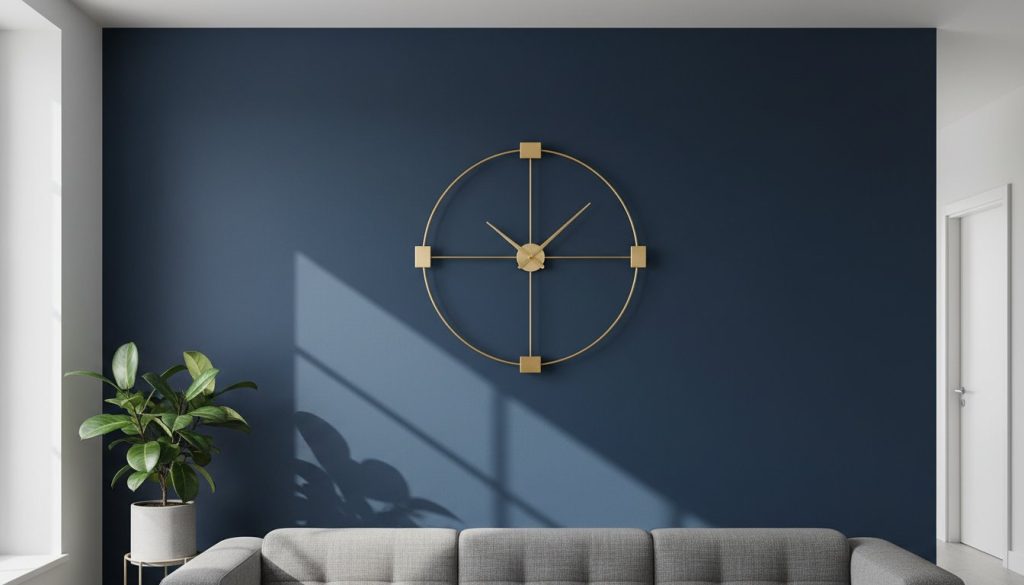
How to Select the Perfect Gold Wall Clock
A gold clock is more than an instrument for telling time; it is a declaration of style. Yet, selecting one can be a delicate task. The wrong choice can feel overpowering or dated, while the right one introduces a layer of warmth and sophisticated luxury. This hesitation-over size, style, or the fear that a metallic finish might look ostentatious-often prevents homeowners from embracing what should be a stunning focal point. It is the difference between a simple accessory and a true statement piece.
This designer’s guide provides the clarity needed to make a confident selection. We will explore the nuances of choosing the perfect wall gold clock, ensuring it complements your interior’s character rather than competes with it. From assessing the ideal scale for your space to selecting a finish that exudes timeless elegance, you will learn how to curate your walls with purpose. By the end, you will be equipped to choose a sophisticated timepiece that elevates your home and serves as a lasting reflection of your impeccable taste.
Key Takeaways
- View your clock as ‘wall jewellery’ that must harmonise with your home’s established aesthetic for a cohesive, designer-led look.
- Master the principles of size and scale to ensure your clock creates the intended visual impact without being lost on the wall.
- Discover how strategic placement and the choice of finish-from antique brass to polished gold-can dramatically alter a room’s atmosphere.
- Learn a designer’s framework for selecting the perfect wall gold clock, transforming it from a simple timepiece into a true statement piece.
Step 1: Understanding the Impact of a Gold Wall Clock
Selecting a timepiece for your home is more than a practical decision; it is an aesthetic one. A gold wall clock transcends its function, becoming a piece of ‘wall jewellery’ that elevates an entire room. Unlike common, neutral options that blend into the background, a statement gold clock is designed to be seen. It acts as a deliberate focal point, anchoring your design scheme with an air of refined luxury and warmth.
Gold as a Symbol of Sophistication
Gold has a historical association with luxury and superior quality. In interior design, its true value lies in its ability to manipulate light. The metallic finish catches and reflects ambient light, brightening darker corners and adding a dynamic warmth to the space. This inherent luminosity allows it to complement a wide spectrum of colour palettes, from deep jewel tones to minimalist, cool greys, providing a touch of sophisticated contrast.
A well-chosen wall gold clock does more than tell time; it defines the character of a space. Positioned above a mantelpiece, a console table, or on a feature wall, it draws the eye and holds attention, much like a piece of fine art. This single element can unify disparate pieces of furniture and decor, creating a cohesive and polished interior. It is a testament to a considered and confident design approach.
More Than a Trend: The Timeless Appeal
While interior trends evolve, gold remains a constant. Its presence in design spans centuries, from ornate classicism to clean-lined modernism. The key is to select a piece with enduring style over a fleeting fad. A classic gold clock is not a seasonal accessory but a long-term investment in your home’s aesthetic. It promises to retain its elegance and relevance for years, becoming a cherished part of your collection.
Ultimately, choosing this type of timepiece is a declaration of style. It signals an appreciation for timeless materials, expert craftsmanship, and the powerful impact of a single, statement piece.
Step 2: Aligning the Clock with Your Home’s Aesthetic
A statement timepiece is more than a functional object; it is a defining component of your room’s curated aesthetic. The ideal wall gold clock does not merely hang on a wall-it completes it, integrating seamlessly with your design vision. Before selecting a final piece, take a moment to identify the dominant style of your interior. The goal is perfect harmony, ensuring your chosen clock enhances the existing mood, whether that is one of quiet minimalism or opulent grandeur.
For the Modern Minimalist Interior
Minimalism is an exercise in restraint and precision. For this refined aesthetic, seek designs with clean, uninterrupted lines, uncluttered faces, and often, a complete absence of numerals. A brushed or matte gold finish offers understated warmth without overwhelming shine, perfectly complementing a neutral palette of greys, whites, and natural textures. Look for slim frames and simple, elegant hands to create a focal point that is both subtle and undeniably sophisticated.
The Art Deco Revival
To capture the inimitable glamour of the 1920s, choose a clock that embraces bold geometry and confident symmetry. Iconic sunburst designs, fanned shapes, and stylised, assertive numerals are hallmarks of this decorative style. A highly polished gold finish, often paired with dramatic black lacquer, mirrored surfaces, or cool marble elements, captures the luxurious and theatrical spirit of the era. This is a clock designed to be a centrepiece.
Classic and Traditional Elegance
For interiors founded on timeless grace and heritage, a classic clock is the most fitting selection. Look for established designs featuring traditional Roman numerals, ornate, decorative hands, and intricate detailing around the frame. An antique or burnished gold finish imparts a sense of history and inviting warmth. More elaborate styles, perhaps with a gentle pendulum or finely crafted filigree, add a layer of distinguished character to a formal living room, hallway, or study.
Industrial and Rustic Charm
This aesthetic celebrates the honest beauty of raw materials and functional form. The perfect wall gold clock for this space juxtaposes refined gold with darker metals, reclaimed wood, or even concrete. Designs featuring exposed gears, a distressed, weathered finish, or a stark, oversized frame make a powerful statement. Here, the gold element introduces an unexpected touch of luxury to the raw, industrial edge, creating a compelling and sophisticated balance.
Step 3: Mastering Size and Scale for Perfect Proportions
The most common error in selecting a timepiece for the home is underestimating its required scale. A clock that is too small for its wall diminishes in impact and disrupts the room’s visual harmony. Achieving perfect proportions is essential for transforming a functional object into a true statement piece. This requires careful consideration of the wall itself, surrounding furniture, and the principle of negative space-the elegant, empty area that allows your chosen clock to command attention.
How to Measure Your Wall Space
Before purchasing, define the available space. This is not the entire wall, but the empty portion you intend to fill, often above a console table, sofa, or fireplace. As a guiding principle, your clock should occupy between two-thirds and three-quarters of this measured width. To visualise the effect, create a simple paper template matching the diameter of your prospective clock. Temporarily affix it to the wall to confirm the scale feels correct and balanced with the furniture below it.
Choosing a Diameter: A General Guide
Clock diameters serve different design purposes. Use these classifications as a starting point for curating your space:
- Small (Under 30cm): Best suited for compact walls, such as in a study or kitchen. Also effective as part of a larger gallery wall arrangement.
- Medium (30-60cm): A highly versatile and popular size. Ideal for most standard living room or bedroom walls, offering presence without overwhelming the space.
- Large/Oversized (Over 60cm): Reserved for creating a dramatic focal point. An oversized wall gold clock is designed for expansive, empty walls, double-height entryways, or rooms with high ceilings.
Considering Viewing Distance
The function of a clock is, ultimately, to tell the time. Consider the primary vantage points in the room, such as your main seating area. The clock’s numerals or markers must be clearly legible from this distance. In a long room or an open-plan living space, a larger diameter is not just a stylistic choice but a practical necessity. The goal is to find the perfect equilibrium between a bold aesthetic statement and effortless readability.
Step 4: Selecting the Ideal Location for Maximum Effect
The placement of your timepiece is as crucial as its design. The ideal location depends entirely on the room’s function and the desired aesthetic effect. A well-positioned clock not only serves its purpose but also elevates the entire space. To ensure it commands the right attention, hang it at eye level-typically around 150cm from the floor to the centre of the clock. Avoid visually cluttered areas where its impact will be diminished; a statement piece deserves its own space to truly shine.
The Living Room or Hallway Focal Point
In a living room or entryway, a large wall gold clock can act as a definitive statement piece, anchoring the room’s design. Position it to create an immediate, grand impression, ensuring its scale is proportional to the furniture it sits above. Consider these placements for maximum impact:
- Above a Mantlepiece or Sofa: Creates a balanced, central anchor for your primary seating area.
- As a Gallery Wall Centrepiece: Use the clock as the focal point, arranging smaller art and photographs around it.
- In an Entryway: A sophisticated welcome for guests, positioned above a console table.
The Sophisticated Kitchen or Dining Space
Introducing a metallic accent into a kitchen or dining area adds an unexpected layer of glamour. The warm lustre of gold provides a beautiful contrast to sleek cabinetry and stone worktops. Position the clock on a prominent feature wall, ensuring it is well away from direct heat or cooking steam to protect the finish. It should be easily visible from the dining table, blending function with refined design.
The Unexpected Bedroom Statement
A clock in the bedroom can be more than a utility; it can be a piece of art that enhances a serene atmosphere. For a truly luxurious feel, select a model with a silent, non-ticking mechanism, like those found in our curated collection. Place your clock on a large, empty wall or centrally above the headboard to serve as a calming, elegant focal point. It becomes a testament to considered design in your most personal space.
Step 5: Examining the Finer Details: Finishes and Materials
The final step in selecting your timepiece is to appreciate the nuances that elevate a simple clock into a statement piece of decor. Beyond the initial allure of its golden hue, the specific finish, material composition, and internal mechanism define its character, longevity, and overall impact within your space. These details are the true marks of quality and considered design.
Understanding Gold Finishes
The term ‘gold’ encompasses a spectrum of finishes, each creating a distinct mood. Understanding these variations allows you to perfectly match your clock to your interior style.
- Polished Gold: With its bright, mirror-like shine, polished gold is unapologetically glamorous. This highly reflective finish is a hallmark of Art Deco and Hollywood Regency styles, adding a brilliant focal point to any room.
- Brushed or Satin Gold: For a more contemporary and understated elegance, a brushed finish offers a muted, soft lustre. Its textural quality diffuses light beautifully and has the practical advantage of concealing fingerprints, making it ideal for modern and minimalist spaces.
- Antique or Burnished Gold: Characterised by its darker, richer tones, this finish suggests heritage and warmth. It integrates seamlessly into traditional, rustic, or industrial interiors, providing a sense of timeless sophistication.
The Beauty of Mixed Materials
A truly exceptional wall gold clock often pairs its metallic elements with other premium materials to create depth and texture. The interplay between gold and a complementary material can define the clock’s aesthetic. Consider the classic luxury of gold paired with white marble, the organic warmth of gold and rich walnut for a mid-century feel, or the modern glamour of gold against mirrored glass to enhance light and space.
The Heart of the Clock: Mechanism
While aesthetics are paramount, the functional quality of a clock lies in its movement. Most contemporary designer clocks feature a quartz mechanism, prized for its exceptional accuracy and low-maintenance reliability. A key consideration is the motion of the second hand: a traditional ‘tick’ offers classic charm, while a silent, continuous ‘sweep’ provides a more serene and modern experience. A high-quality, silent mechanism ensures your clock is not only a beautiful object but a lasting and functional investment.
Ready to find your perfect timepiece? Explore our curated clock collection.
Elevate Your Space with the Perfect Timepiece
A gold clock is far more than a simple timekeeper; it is a definitive statement of style that can anchor an entire room. As we have explored, a truly successful selection harmonises with your home’s unique aesthetic, from modern minimalism to classic grandeur. Mastering the principles of scale and placement ensures your chosen piece commands attention without overwhelming the space. Ultimately, selecting the right wall gold clock is an investment in your home’s enduring elegance and a reflection of your discerning taste.
The journey from inspiration to installation begins with discovery. We invite you to discover your statement gold wall clock in the Womacks Of Bawtry collection. Each piece in our curated range is a designer timepiece, selected to serve as a stunning focal point in a sophisticated home. Should you require guidance, our expert interior design team is available to ensure your final choice is a flawless addition to your space.
Your perfect timepiece awaits.
Frequently Asked Questions
Is a gold wall clock considered tacky or out of style?
On the contrary, a gold wall clock is a signature of timeless elegance. Its style is determined by the quality of its design and the context of the room. A piece with a refined, minimalist profile or an intricate Art Deco form serves as a sophisticated focal point. When chosen to complement a curated interior, it projects an air of luxury and classic taste, elevating the space with its warm, metallic lustre and making a confident design statement.
What is the best size wall clock for a large living room wall?
For a substantial living room wall, a clock must possess adequate visual weight. Select a design with a diameter of at least 60cm to 90cm to ensure it commands sufficient presence. A reliable design principle is to choose a clock that is approximately two-thirds the width of the furniture piece it is positioned above, such as a console or sofa. This method creates a balanced, intentional composition and prevents the clock from appearing diminished by its surroundings.
How do I clean and maintain a gold wall clock to keep it looking its best?
Preserving the finish of your gold clock requires simple, consistent care. Dust the surface weekly with a soft, dry microfibre cloth to prevent accumulation. For any marks, slightly dampen a clean cloth with water only. It is imperative to avoid chemical cleaners, polishes, or abrasive materials, as these can irreversibly damage the delicate finish. A periodic check of the battery will also ensure uninterrupted and accurate function, maintaining both its beauty and utility.
Should a wall clock be silent, especially for a bedroom?
For bedrooms and other quiet areas of the home, a silent mechanism is the superior choice. Clocks featuring a non-ticking or “silent sweep” movement operate without the audible ticking, fostering a more serene and restful atmosphere. This detail is particularly important for light sleepers and is essential for maintaining a sense of calm and luxury within a personal sanctuary. Always confirm this feature in the product specifications when selecting a clock for a tranquil space.
Can I mix a gold clock with other metal finishes like silver or chrome in the same room?
Yes, mixing metals is a hallmark of a sophisticated and layered interior. A gold clock introduces a welcome warmth that beautifully contrasts with cooler finishes like chrome, silver, or brushed nickel. To achieve a harmonious result, establish one dominant metal to anchor the room’s aesthetic and use others as deliberate accents. This curated approach adds visual depth and personality, creating a space that feels professionally designed and thoughtfully assembled.
What interior design styles work best with a gold wall clock?
A well-designed wall gold clock is exceptionally versatile. It is an essential element in opulent styles like Art Deco, Neoclassical, and Hollywood Regency, where it enhances the inherent glamour. It also provides a striking, warm accent in Mid-Century Modern schemes. In a contemporary or minimalist interior, a sleek gold clock can act as a singular point of metallic interest, introducing a touch of refined luxury to a more restrained and neutral colour palette.
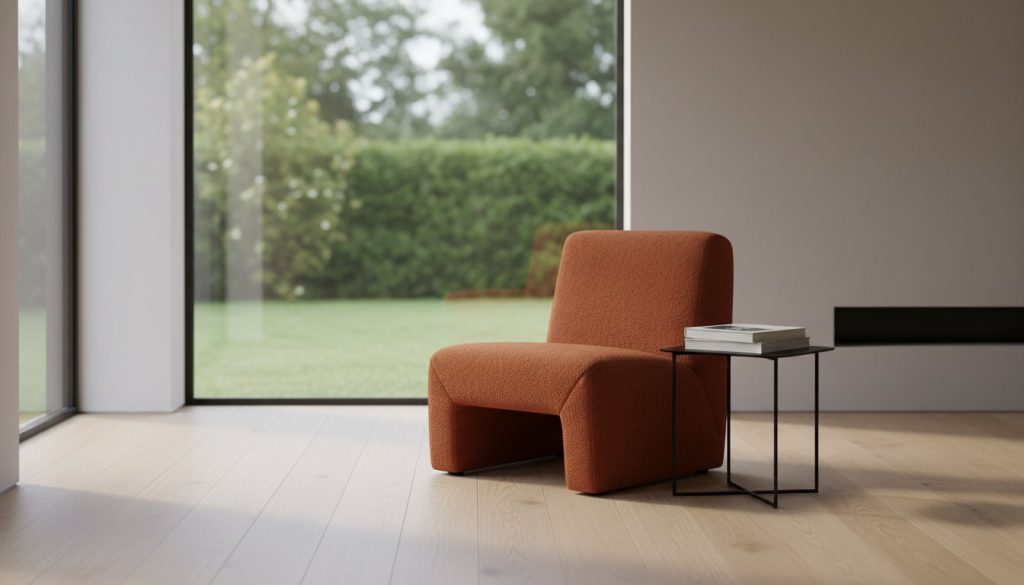
The ‘Central Chair’: A Room’s Focal Point
A curated interior speaks a clear language of style and intent. Yet, even with considered pieces, a room can feel unresolved, lacking a definitive ‘wow’ factor or a clear visual anchor. This is the role of statement furniture, and no piece performs this function with more elegance and authority than the central chair. More than mere seating, it is a deliberate design statement-an anchor that commands attention and defines the character of the entire space, transforming the atmosphere from pleasant to purposeful.
But selecting a chair that stands out with taste, rather than intrusion, requires a discerning eye. It is the crucial difference between a simple accent and a true statement piece. This guide moves beyond theory to offer practical direction. We will explore the principles of selecting the perfect form, placing it for maximum impact, and styling your chosen piece to create a sophisticated focal point. Discover how to transform your room from simply furnished to expertly curated, establishing a designer-led aesthetic with a single, decisive choice.
Key Takeaways
- Understand the central chair not as mere seating, but as the primary visual anchor that defines an interior’s character.
- Select a statement piece through a curated approach, ensuring the design aligns with your personal style and the room’s purpose.
- Position your focal point for maximum impact by considering the primary sightlines from the room’s main entryway.
- Master the art of accessorising to style your central chair into a sophisticated vignette that elevates the entire space.
Defining the Central Chair: More Than Just a Seat
In the world of curated interiors, certain pieces are chosen not just for function, but for their power to define a space. The central chair is not a specific type of furniture, but rather a strategic role assigned to a singular, commanding seat. It serves as the primary visual anchor, the piece from which the room’s entire aesthetic and tone originates. Its purpose is to create a deliberate and sophisticated focal point, a concept that aligns with fundamental interior design principles of balance and emphasis. This is the seat that commands attention, drawing the eye and setting the stage for the rest of the design narrative.
The Hallmarks of a Central Chair
A chair designated for this leading role possesses specific, undeniable qualities. These are the markers of a true statement piece, designed to captivate through exceptional form, materiality, or colour.
- Distinctive Silhouette: A unique or sculptural form that stands apart from conventional seating. Think of dramatic high backs, sweeping curves, or an architectural frame that acts as art in its own right.
- Bold Colour or Pattern: Upholstery that makes a definitive statement. A jewel-toned velvet, a striking geometric print, or a vibrant solid hue can instantly establish the chair’s authority.
- Luxurious Materiality: The tactile quality is as important as the visual. Rich, sumptuous materials such as full-grain leather, plush bouclé, or opulent velvets signal premium quality and comfort.
- Design Pedigree: The piece may be an iconic design classic or a bold, contemporary form from a celebrated designer. Its heritage or artistic merit contributes to its focal-point status.
Central Chair vs. Accent Chair: A Key Distinction
It is crucial to distinguish between a central and an accent chair. While both add interest, their functions are fundamentally different. An accent chair complements an existing scheme, adding a touch of colour or a contrasting shape. A central chair, however, leads the design. It is the gravitational force in the room, dictating the placement of sofas, tables, and even rugs. Often larger in scale or more visually dominant through its form, it is not an addition to the conversation-it is the one that starts it.
Selecting Your Central Chair: A Curated Approach
Choosing a focal point for a room is an exercise in curation, not merely shopping. The right central chair is a definitive statement of personal style, selected to enhance both the room’s purpose and its architectural soul. It must be more than an object; it should be an invitation. Whether creating a quiet reading corner or an anchor for social gatherings, the key is to balance profound aesthetic impact with the essential, practical demands of comfort and function.
This deliberate process considers how the chair will inhabit the space, interacting with existing features like a fireplace or a bay window to create a complete, intentional design narrative.
Mastering Scale and Proportion
The physical presence of your chair must be in dialogue with its surroundings. Ensure its size is appropriate for the room’s dimensions, creating balance rather than overwhelming the space. In a more compact room, a larger, sculptural chair can be a bold and deliberate choice, establishing a confident, gallery-like feel. Consider verticality as well; a high-backed chair draws the eye upward, adding a sense of drama and height that complements lofty ceilings or grand windows.
Choosing Materials and Textures
The material of your chair dictates its tactile and visual character. Each finish offers a distinct personality, contributing to the room’s overall sensory experience. A considered selection is paramount.
- Velvet: Offers an immediate touch of opulence. Its deep pile enriches colour and provides a luxurious, soft finish that invites touch.
- Leather: A timeless choice that communicates sophistication. It is durable and develops a rich, unique patina over time, adding character and history to your space.
- Textured Weaves or Bold Patterns: For those seeking to make a definitive statement, a chair upholstered in a tactile weave or a striking pattern provides significant visual interest and artistic flair.
Harmonising with Your Existing Aesthetic
Your chosen piece must relate to its environment. The primary decision is whether it should complement the existing decor or provide an artful, deliberate contrast. Understanding the fundamentals of how to choose an accent chair can guide your decision between a piece that blends seamlessly or one that offers a striking juxtaposition. A sleek, modern form, for example, can energise a traditional space with period details, creating a sophisticated tension between old and new.
For a more cohesive feel, identify a key colour from a piece of artwork or a luxury rug in the room and echo it in the upholstery of your central chair. This simple technique creates a polished, designer-led aesthetic with minimal effort.
Strategic Placement: Positioning Your Focal Point for Impact
The selection of a statement chair is only the first step. Its true impact is defined by placement. A thoughtfully positioned chair commands attention and dictates the flow of a room, transforming it from a simple piece of furniture into a deliberate design feature. For maximum effect, it should be visible from the primary entryway, immediately establishing a sense of curated style.
Avoid the common impulse to push furniture flat against a wall. A true focal point requires space to breathe, allowing its form, silhouette, and texture to be fully appreciated from all angles. Before settling on a location, consider the room’s natural sightlines, ensuring your chosen central chair relates harmoniously to windows, doorways, and other key architectural elements.
Anchoring a Living Room Conversation Area
In a living room, a statement chair anchors the entire seating arrangement. Positioned opposite a sofa, it creates a balanced and engaging composition, perfect for conversation. For open-plan living, use the chair to define the boundary of the lounge area, creating an intimate zone within a larger space. Angling it slightly towards the room’s heart invites interaction and completes the social circle, making the layout feel both intentional and welcoming.
Creating a Refined Reading Nook
Transform a quiet corner into a destination. A well-placed chair, paired with a dedicated floor lamp and a discreet side table, creates a functional and elegant reading nook. A bay window provides a superb natural backdrop, framing the chair and bathing it in soft light. This approach carves out a sophisticated vignette, adding a layer of purpose and style to an underutilised area of a bedroom or study, proving that a central chair need not always be in the centre of a room to be its focus.
Making a Statement in an Entryway or Landing
Transitional spaces offer a unique opportunity for design impact. Placing a distinguished chair in an entryway or on a spacious landing introduces unexpected grandeur and sophistication. Position it beneath a significant piece of art or alongside a sleek console table to create a deliberate, gallery-like composition. This single piece of furniture provides a powerful sense of arrival and immediately communicates your home’s design ethos to guests.
Ultimately, strategic placement transforms your chosen piece from mere seating into a cornerstone of your interior design. Discover the perfect focal point within our curated collection of designer furniture.
Styling Your Central Chair: The Art of Accessorising
A statement chair is more than a place to sit; it is the foundation for a carefully styled vignette. The art of accessorising is one of restraint and intention. Each addition should enhance the chair’s form and fabric, not overwhelm it. The objective is to create a complete, curated look that feels both personal and impeccably designed. By thinking in layers-textiles for softness, lighting for drama, and adjacent surfaces for function-you can elevate your central chair from a simple piece of furniture to a true focal point.
Complementing with Statement Lighting
A sculptural floor lamp placed beside your chair does more than illuminate; it adds vertical interest and frames the setting. Especially in the evening, the focused pool of light creates an intimate, inviting atmosphere. For a sophisticated contrast, consider a lamp with a metallic finish, such as brushed brass or polished chrome. This juxtaposition of a hard, reflective surface against soft upholstery introduces a dynamic visual and tactile tension, underscoring the chair’s design.
Accessorising with Cushions and Throws
When it comes to textiles, less is invariably more. A single, luxurious cushion in a contrasting texture-think velvet against linen or a bold pattern against a solid colour-provides a perfect accent. To introduce another layer of comfort and elegance, drape a simple throw made from cashmere, merino wool, or high-quality faux fur over an arm or the back. The key is to avoid clutter. One or two impeccably chosen pieces are sufficient to add warmth and personality without detracting from the chair itself.
Pairing with an Elegant Side Table
The final element in this curated arrangement is a chic and functional side table. This piece provides a practical surface for a drink, a book, or a small decorative object. To continue the theme of material contrast, select a table crafted from marble, dark wood, or hammered metal. This small addition is what completes the vignette, transforming a standalone central chair into an intentional and finished composition. It signals that this space is designed for both style and purpose.
With these elements in place, your chair becomes the anchor of a sophisticated corner in your home. Explore our collection of statement chairs to find the perfect focal point for your own curated space.
Defining Your Space: The Final Statement
As we have explored, a central chair is far more than a simple seat; it is the definitive anchor of a room’s design narrative. Its power lies not just in its function, but in its form and presence. Through the curated approach of deliberate selection, strategic placement, and the artful touch of accessorising, you can transform an ordinary space into a sophisticated and balanced statement of personal taste.
Finding the perfect piece is the essential first step in this creative process. At Womacks Of Bawtry, our expertly curated furniture ranges are defined by luxury materials and compelling designer forms. Each piece is chosen for its ability to command attention and serve as a room’s focal point. We invite you to discover our curated collection of Statement Chairs and find the anchor for your interior vision.
Should you require guidance in making your selection, our interior design services are available for expert consultation. Begin the journey to create a space that is not just furnished, but artfully composed.
Frequently Asked Questions
Can a smaller chair work as a central chair?
Yes. A chair’s impact is defined by its design, not its scale. A smaller piece with a striking silhouette or luxurious upholstery can command attention effectively. Consider a sculptural occasional chair placed strategically to draw the eye. The key is confident design and deliberate placement, creating a focal point through artistry rather than size. This approach suits more compact living spaces or curated reading corners, proving that a central chair excels through form over footprint.
Should my central chair match my sofa?
No. A central chair should provide a deliberate contrast. Matching it to the sofa dilutes its purpose as a statement piece and can result in a flat, uninspired scheme. Instead, select a chair that complements the sofa’s colour palette or style while standing apart. Consider a contrasting texture, such as a velvet chair against a linen sofa, to add depth and visual interest. This creates a layered, designer-led aesthetic that feels curated and intentional.
Is it better to choose a bold colour or a unique shape for a central chair?
The choice depends on your existing interior. For a minimalist space, a unique, sculptural shape in a neutral tone provides architectural interest without overwhelming the palette. In a more traditional room, a classic armchair in a bold, saturated colour like emerald or sapphire can serve as a powerful accent. Both methods achieve a strong focal point; the decision rests on creating balance within your curated space. Evaluate whether your room needs form or colour.
Can I use two chairs as a central focal point instead of one?
Certainly. A pair of matching armchairs creates a sophisticated and symmetrical focal point. This arrangement is ideal for framing a fireplace, a large window, or a piece of statement art. The dual chairs invite conversation and establish a sense of formal balance within the room’s layout. Ensure the chairs are identical in design and upholstery to maintain a clean, intentional look. This classic interior design principle adds both function and elegance.
How do I care for a velvet or leather central chair?
Velvet requires regular, light brushing with a soft-bristled brush to maintain its pile. Address spills immediately by blotting, not rubbing. For leather, dust weekly with a dry cloth and apply a specialist leather conditioner every six to twelve months to prevent drying and cracking. Both materials benefit from being positioned away from direct sunlight to avoid fading. Proper care preserves the investment and integrity of your statement furniture for years to come.
What is the best room in the house for a central chair?
The living room is the traditional choice, where a central chair can anchor a seating arrangement. However, they are equally effective in other spaces. A statement chair can elevate a master bedroom, creating a private reading nook. It can add character to a spacious hallway or provide a moment of repose in a home office. The ideal placement is any room that benefits from a single, powerful design element to act as its anchor.
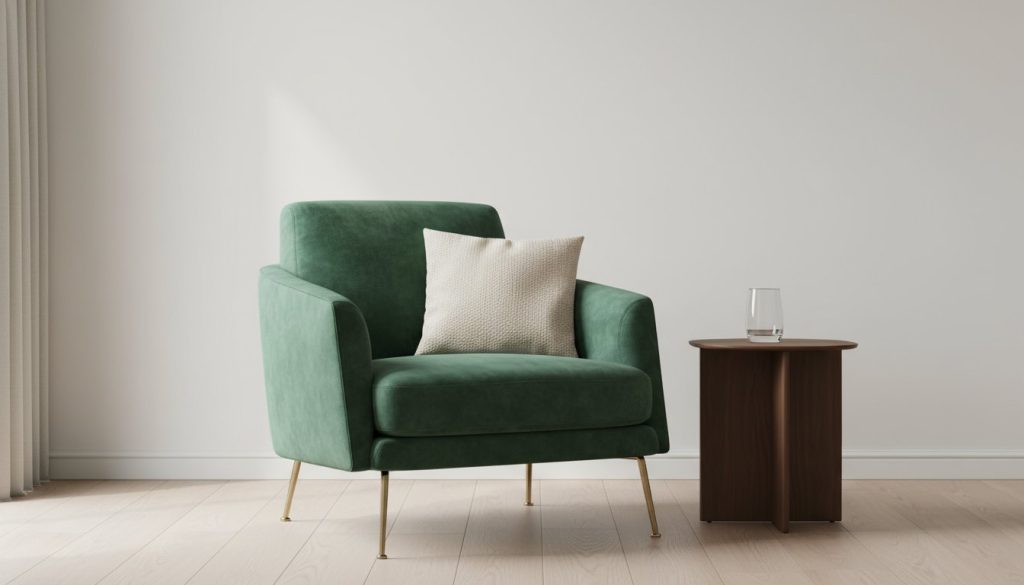
A Guide to Styling a Green Velvet Chair
A statement piece of furniture can be a source of both admiration and apprehension. You are drawn to its luxurious texture and rich colour, yet questions arise: will it complement your existing decor? The green velvet chair, in particular, is a timeless icon of interior design, capable of transforming any space with its inherent sophistication. It is not a piece to be feared, but one to be celebrated as a definitive focal point.
This guide is designed to move you beyond uncertainty. We will explore curated colour palettes, complementary materials, and strategic placement to ensure your investment integrates seamlessly into your home. Master the art of styling this classic piece with the confidence of a professional, creating a cohesive and enduring look that elevates your interior for years to come.
Key Takeaways
- Learn to select the perfect shade of green-from emerald to olive-to complement your desired design aesthetic.
- Master the creation of a cohesive colour palette with expertly chosen paint and fabric pairings for a polished look.
- Discover how to style your green velvet chair as a versatile centrepiece across a range of interior designs.
- Elevate your statement piece with curated accessories to create a sophisticated and complete vignette.
The Enduring Allure of the Green Velvet Chair
Certain pieces of furniture transcend transient trends to become icons of enduring style. The green velvet chair is a definitive example, an investment in design that offers both profound visual depth and undeniable comfort. Its lasting appeal is not accidental; it is rooted in a perfect synthesis of rich colour, opulent texture, and timeless form. This combination positions the chair as a uniquely versatile anchor for any design scheme, capable of introducing luxury and character into a space. It is not merely a seat, but a carefully considered declaration of sophisticated taste.
A Statement of Sophistication
Placed with intention, a single piece of statement furniture can define and elevate an entire room. The green velvet chair serves as a natural focal point, drawing the eye and setting a refined tone. In a living room, it can break the monotony of a neutral sofa set; in a bedroom, it creates an elegant reading nook. Its design lineage traces from the opulent salons of the Victorian era to the clean, minimalist lines of contemporary interiors, proving its remarkable ability to adapt without losing its inherent character. This versatility ensures its place as a modern design staple.
The Psychology of Colour and Texture
The choice of green is deeply significant, evoking a powerful psychological response. It is a colour intrinsically linked to balance, harmony, and the restorative calm of the natural world. Shades from deep emerald and forest green suggest luxury and heritage, while softer olive or sage tones provide a more muted, organic feel. Introducing this hue into a home fosters a sense of tranquillity and revitalisation, offering a sophisticated yet grounding presence that counters the pace of modern life.
Velvet completes this multi-sensory experience. The fabric’s dense pile interacts uniquely with light, creating a dynamic surface of shadow and lustre that gives the colour unparalleled depth and richness. This luxurious texture, with a celebrated history of velvet tied to nobility and opulence, invites touch and adds a layer of physical warmth. The combination of calming green and sumptuous velvet results in a piece that is not just seen, but felt, creating a truly immersive and luxurious design element.
Choosing Your Perfect Shade: From Emerald to Olive
The selection of a green velvet chair is a defining moment in curating a space. The specific shade dictates the room’s entire atmosphere. Consider the undertones: a blue-based green offers cool opulence, while a yellow-based green provides organic warmth. Grey undertones lend a muted, sophisticated air. A foundational understanding of color theory in interior design is essential for creating a harmonious palette. The right choice ensures your chair is not just furniture, but a true statement piece.
Deep and Dramatic: Emerald and Forest Green
For a bold, unapologetically luxurious statement. Emerald and forest greens possess a jewel-toned depth that commands attention. These shades are the cornerstone of Art Deco and maximalist interiors, pairing exquisitely with polished brass, dark woods, and geometric patterns. Due to their intensity, they perform best in rooms with ample natural light, which illuminates the rich pile of the velvet and prevents the space from feeling enclosed.
Subtle and Serene: Sage and Moss Green
To cultivate an atmosphere of calm and organic refinement. Sage and moss greens are soft, muted, and connected to the natural world. Their earthy quality makes them a perfect fit for Scandinavian, rustic, or minimalist design schemes. These lighter, desaturated tones are exceptionally versatile and more forgiving in smaller or less brightly lit rooms, creating a sense of serenity without overwhelming the space.
Rich and Earthy: Olive and Khaki Green
A sophisticated choice that evokes a timeless, mid-century modern sensibility. Olive and khaki are warm, complex greens that bridge the gap between classic and contemporary aesthetics. A green velvet chair in this shade complements natural materials, particularly walnut or teak wood, and pairs beautifully with warm metals. This versatility makes it an enduring and intelligent addition to any curated interior.
Creating a Cohesive Colour Palette
A statement piece like a green velvet chair requires a considered colour palette to truly integrate into your home. The right combination of shades will anchor the chair, creating a harmonious and intentional design. By understanding the principles of harmony, contrast, and accent colours, you can build a scheme that feels both luxurious and personal.
Elegant Neutrals and Earth Tones
For a sophisticated and calming environment, pair your chair with a backdrop of soft neutrals. This classic approach allows the rich texture and deep colour of the velvet to become the undisputed focal point. Consider walls in a soft, chalky white or a warm greige. Ground the scheme with natural materials like oak flooring, a wool rug in a soft taupe, or linen curtains to complete the serene and timeless aesthetic.
Bold and Beautiful Contrasts
To create a more dynamic and memorable interior, use colour contrasts to make your green velvet chair stand out. The key is to achieve balance without overwhelming the space. Warm, complementary tones like dusty rose, blush pink, or burnt terracotta work beautifully in cushions, throws, or artwork. For a more dramatic effect, consider a deep navy feature wall or accent pieces in a striking mustard yellow. As experts on how to style an accent chair often advise, using bold colours in careful measure ensures your statement piece remains the hero of the room.
The Power of Metallic Accents
Metallic finishes introduce a layer of luxury and reflect light, enhancing the natural lustre of velvet fabric. The choice of metal helps to define the overall style of the room.
- Gold and Brass: These warm metals offer a classic, glamorous finish. They pair exceptionally well with deeper emerald and forest greens, creating an opulent, high-end feel.
- Chrome and Silver: Cool-toned metals provide a sleek, contemporary edge. Use them to lean into a modern or Art Deco-inspired interior.
Incorporate these finishes through the chair’s legs, a nearby floor lamp, or a statement side table. Explore our curated furniture ranges for complementary pieces with exquisite metallic details.
Styling Across Different Interior Design Aesthetics
A statement piece should be versatile. The green velvet chair excels in its ability to adapt, anchoring a room’s aesthetic or providing a deliberate contrast. Its success depends on the careful selection of surrounding textures, materials, and forms, allowing it to integrate seamlessly into a number of distinguished interior styles.
Modern and Minimalist
Within a minimalist interior, the chair serves as the primary focal point. Position it in a space defined by a neutral palette-think soft greys, crisp whites, and stark black. Accompanying furniture should feature clean lines and simple geometry. A chair model with slender, black metal legs aligns perfectly with this refined, uncluttered aesthetic.
Art Deco and Glamour
To achieve an Art Deco look, lean into luxury. A jewel-toned emerald or forest green velvet is the ideal choice. Surround it with opulent materials: polished brass, gold finishes, and mirrored surfaces. Furniture with scalloped silhouettes and fan motifs enhances the theme. Complete the curated space with a plush, high-pile rug and dramatic statement lighting.
Mid-Century Modern
This style celebrates organic shapes and natural materials. Pair an olive or moss green velvet chair with the warm tones of teak and walnut wood furniture. Look for a design with tapered wooden legs and a curved, enveloping form. The result is an inviting and effortlessly sophisticated arrangement, true to the era’s core design principles.
Classic and Traditional
For a timeless, traditional setting, a classic armchair shape with details like deep button-tufting or elegant scroll arms is essential. Position this piece alongside dark, polished woods and ornate casegoods. Introduce rich, complementary textiles through cushions and drapery, incorporating patterns like damask or subtle florals to complete the refined atmosphere.
The chair’s inherent adaptability ensures it can be integrated into a wide range of interiors, proving its status as a timeless piece of statement furniture. By carefully considering its form and accompanying decor, it becomes a definitive element of a beautifully curated home.
Accessorising Your Statement Chair
A statement chair is more than just seating; it is the anchor for a carefully curated vignette. The right accessories will transform your green velvet chair from a simple piece of furniture into a deliberate design feature. When selecting companion pieces, consider scale, proportion, and texture to create a space that is both functional and visually compelling. The goal is to build a complete look that feels intentional and sophisticated.
Cushions and Throws
Introduce layers of comfort and style with textiles. For a subtle, cohesive look, choose cushions in complementary tones like deep navy or charcoal. To create a bolder contrast, consider shades of ochre, blush pink, or a crisp monochrome pattern. A luxurious throw-perhaps in faux fur, merino wool, or cashmere-draped artfully over the arm adds an essential layer of texture and warmth, inviting you to relax.
Side Tables and Lighting
Every statement chair needs a functional partner. Select a side table that complements the chair’s silhouette and the room’s overall aesthetic. Materials like cool marble, warm metallics such as brass, or rich, dark woods add a touch of luxury. Complete this functional hub with dedicated lighting. A sculptural floor lamp or a refined table lamp provides focused light for reading, elevating the corner into a perfect retreat.
Rugs and Flooring
Ground your seating area with a well-chosen rug. A neutral, textured rug in a material like jute or wool allows the vibrant colour of the green velvet chair to remain the undisputed focal point. For a more maximalist or eclectic interior, a patterned rug featuring geometric or abstract designs can create a dynamic dialogue with the chair, adding depth and personality to the entire space.
To create the perfect vignette, consider these essential companion pieces:
- A stylish side table for practicality and polish.
- A dedicated reading lamp (floor or table).
- One or two decorative cushions for colour and pattern.
- A soft, luxurious throw for texture and comfort.
- An area rug to define and ground the space.
Finalising your design with the perfect finishing touches ensures your new furniture achieves its full potential. Discover our collection of luxury home accessories to complete your look.
Your Home, Elevated by Design
The enduring appeal of the green velvet chair lies in its remarkable versatility. As we have explored, selecting the perfect shade and creating a cohesive colour palette are the foundational steps to integrating this piece into any interior. Whether your aesthetic is minimalist or maximalist, the right accessories can transform this statement item from a simple seat into the sophisticated focal point of your room.
At Womacks Of Bawtry, we believe that exceptional design is a synthesis of form and function. Our curated collections of luxury and statement furniture are selected to inspire. Should you require guidance, our expert interior design services are available to help you complete your vision with sophisticated home accessories. To find the centrepiece for your design, discover our curated collection of statement chairs.
Begin your journey to a more refined and personal living space today.
Frequently Asked Questions
What colours go best with a green velvet chair?
A green velvet chair pairs with a curated palette. Consider rich tones like ochre, blush pink, and deep navy for a dramatic effect. For a more reserved scheme, neutral shades of charcoal grey, warm beige, and off-white provide a sophisticated backdrop. Metallic accents in brass or gold enhance the inherent luxury of the velvet, creating a cohesive and polished interior. This ensures the chair remains the focal point.
Can a green velvet chair work in a small living room?
Certainly. An armchair can serve as a striking focal point in a compact space. Select a design with a refined silhouette and slender legs to create a sense of openness. Pairing the chair with a slim-profile side table and minimalist decor prevents visual clutter. This approach ensures the chair acts as a statement piece without overwhelming the room’s proportions, maintaining a balanced and considered aesthetic.
How do you clean and care for a velvet chair?
To maintain velvet’s lustre, regular light vacuuming with a soft brush attachment is recommended. This removes dust and preserves the pile. For minor spills, blot immediately with a clean, dry cloth; do not rub. For persistent marks, consult a professional upholstery cleaning service to ensure the fabric is treated with the appropriate care. Avoid harsh, water-based cleaners which can damage the velvet’s texture.
Is green velvet a timeless choice or just a passing trend?
Green velvet possesses a timeless quality, rooted in classic design heritage. While it enjoys moments of heightened popularity, its inherent richness and versatility ensure its lasting appeal. Associated with luxury and traditional interiors for centuries, it transcends fleeting trends. A well-chosen green velvet chair is an investment in enduring style, a statement piece that will anchor a room’s design for years to come.
What style of rug works best with a green velvet armchair?
The choice of rug depends on the desired aesthetic. For a classic, layered look, a traditional Persian rug with complementary jewel tones creates a rich foundation. To achieve a more contemporary feel, a neutral-toned rug in wool or jute provides textural contrast without competing for attention. A minimalist geometric pattern in monochrome shades can also frame the chair effectively, highlighting its form and colour.
Should the legs of my green velvet chair match other furniture?
Matching the leg finish is not essential; coordination is the key. Aim for a cohesive palette of materials within the room. For instance, if your chair has brass legs, introducing other brass elements-such as a lamp or side table-creates a harmonious connection. Similarly, dark wood legs can be echoed in picture frames or a console table. This considered approach to materials ensures a polished and intentionally designed space.

Luxury Garden Furniture: The Ultimate Guide to Designing a Refined Outdoor Space
An investment in luxury garden furniture is an investment in your home’s character and your own outdoor enjoyment. Yet, this significant decision often comes with uncertainty. How do you select pieces that will not only withstand the unpredictable British weather but also create a cohesive, stylish look that avoids fleeting trends? The fear of choosing materials that degrade or a style that quickly dates can make the process of creating a refined outdoor space feel daunting.
This guide provides the essential principles for making a confident choice. We will explore the most resilient materials, from classic teak to contemporary aluminium, and delve into the fundamentals of layout and styling. By the end, you will understand how to curate a truly elegant outdoor sanctuary-a functional and beautiful extension of your home, furnished with statement pieces designed to endure and inspire for years to come.
Key Takeaways
- Understand what defines a true investment piece, looking beyond price to craftsmanship, materials, and timeless design.
- Select the ideal material for your space by comparing the aesthetics and durability of options suited to the British climate.
- Plan a functional and elegant layout by creating distinct ‘zones’ for alfresco dining, socialising, and quiet relaxation.
- Curate a cohesive outdoor sanctuary by identifying your personal style and selecting luxury garden furniture that reflects your aesthetic.
Defining Luxury in Outdoor Furniture: Beyond the Price Tag
True luxury is not defined by a price tag alone. It is a long-term investment in superior design, exceptional materials, and enduring longevity. While mass-produced items serve a temporary purpose, expertly crafted pieces transform an outdoor area into a genuine extension of your home-a curated ‘outdoor room’ designed for living. A single, well-chosen sun lounger or a statement dining set can define the entire aesthetic of a terrace or garden, establishing a tone of refined elegance that lasts for seasons, not just a summer.
Understanding what elevates a piece to this status is key. It is the deliberate combination of quality, resilience, and considered aesthetics that constitutes true luxury garden furniture.
The Three Pillars of Quality: Materials, Craftsmanship, and Design
These three elements separate the exceptional from the ordinary. Each pillar contributes to a piece’s value, appearance, and ability to withstand the elements with grace.
- Materials: Premium, weather-resistant materials form the foundation. Think of the dense, oil-rich properties of Grade-A teak, which naturally repels water, or the lightweight strength of powder-coated aluminium, which offers sleek, contemporary lines without the risk of rust.
- Craftsmanship: The details reveal the quality. Look for seamless welds on metal frames, precise mortise and tenon joinery on wooden furniture, and the subtle texture of a hand-finished surface. This level of construction ensures structural integrity and a flawless finish.
- Design: Timeless design holds its value. Pieces from recognised designers and specialist brands are created to transcend fleeting trends. This focus on enduring style is a core principle that has evolved throughout the history of garden furniture, ensuring your investment remains relevant and beautiful for years to come.
Weather Resistance vs. Weatherproof: A Crucial Distinction
Choosing the right furniture requires an understanding of how it will perform in the specific UK climate. The terms ‘weather-resistant’ and ‘weatherproof’ are often used interchangeably, but they signify different levels of durability and maintenance.
Weather-resistant furniture can withstand exposure to the elements but may require seasonal care. Natural materials like teak fall into this category; they are incredibly durable but may develop a silver-grey patina over time, which can be maintained or left to age naturally. Weatherproof items, conversely, are largely impervious to weather. They are typically made from high-performance synthetic materials like all-weather wicker or marine-grade polymers, requiring minimal upkeep. Your choice depends on your climate and preferred level of maintenance.
Selecting Materials That Endure and Impress
The foundation of any statement outdoor collection is its material composition. This choice dictates not only the aesthetic but also the longevity and maintenance requirements of your investment. Discerning homeowners prioritise materials that offer both visual appeal and robust performance against the British weather. In fact, recent studies on consumer trends in outdoor furniture highlight a clear preference for durability and low-maintenance designs, reinforcing the importance of selecting the right foundation for your outdoor sanctuary.
The Timeless Appeal of Grade-A Teak
Grade-A teak is the benchmark for classic outdoor furniture, prized for its unparalleled durability. Rich in natural oils and silica, it inherently resists water, rot, and insects without needing chemical treatments. A hallmark of quality is its substantial weight and dense, uniform grain. Over time, it weathers from a warm honey hue to a distinguished silvery-grey patina, a graceful ageing process celebrated by designers. This material doesn’t just endure; it evolves.
The Sleek Modernity of Powder-Coated Aluminium
For a contemporary aesthetic, powder-coated aluminium offers clean lines and minimalist appeal. Its primary advantages are being lightweight, inherently rustproof, and exceptionally easy to maintain. The powder-coating process involves applying a dry polymer powder that is then cured to form a hard finish, far more durable than traditional paint. This provides robust protection against chipping and fading while allowing for a vast spectrum of sophisticated, lasting colours.
The Versatility of All-Weather Wicker (Resin Wicker)
Modern all-weather wicker elevates a traditional look with advanced material science. Unlike brittle plastic imitations, high-end resin wicker is crafted from high-density polyethylene (HDPE) infused with UV inhibitors to prevent fading and cracking. Look for a tight, consistent weave over a sturdy, concealed aluminium frame. This construction offers the textural comfort of natural wicker with the resilience needed for outdoor life, suiting styles from classic country gardens to chic terrace lounges.
Performance Fabrics and Foams. The final element of enduring comfort lies in the cushions of your luxury garden furniture. Look for performance fabrics engineered with high UV resistance to prevent fading. Internally, quick-dry reticulated foam is the hallmark of quality, allowing moisture to drain through rapidly, inhibiting mildew and ensuring seating is usable shortly after a classic British downpour.
Curating Your Outdoor Space: From Alfresco Dining to Serene Lounging
A truly refined outdoor area is more than a collection of pieces; it is a thoughtfully curated extension of your home. The first step is to define its purpose. Consider how you wish to live in the space-will it be for hosting elegant dinners, quiet morning coffees, or relaxed evening gatherings? By creating distinct ‘zones’ for each activity, you establish a natural flow and a clear sense of purpose.
Before selecting any pieces, consider the scale of your garden. The proportion of your furniture to the available space is paramount to achieving a balanced, uncluttered aesthetic. We advise measuring your intended zones meticulously. Note the dimensions and account for walkways and clearance. This foundational step ensures your chosen luxury garden furniture not only fits but enhances the environment.
Designing an Elegant Alfresco Dining Area
For social gatherings, the dining set is key. A round table encourages intimate conversation, while a rectangular design accommodates larger parties with ease. Prioritise comfort; chairs with supportive backrests and armrests invite guests to linger over long, leisurely meals. As a rule, ensure there is at least one metre of clear space behind each chair to allow for comfortable movement around the table.
Creating a Relaxed Lounge Setting
A lounge zone provides a serene retreat, and the right luxury garden furniture is essential. Explore options from deep-seated sofas and versatile modular sets to chic daybeds for ultimate relaxation. A central element, such as a marble-top coffee table or a sophisticated fire pit, anchors the arrangement. This is the ideal place for a piece of Womacks’ ‘Statement Furniture’-a singular item that acts as a compelling focal point, defining the character of the space.
The Finishing Touches: Parasols, Rugs, and Lighting
Accessories transform a collection of furniture into a cohesive outdoor room. An outdoor rug can define and anchor a seating area, adding texture and warmth underfoot. For shade, a cantilever parasol provides unobstructed coverage over dining or lounging sets, combining function with sculptural form. These final layers are essential for a polished look. Discover our collection of stylish garden parasols.
Finding Your Signature Style: Key Aesthetics in Luxury Garden Design
Your outdoor space should be a seamless extension of your home’s interior. Defining your personal aesthetic is crucial for creating a cohesive and intentional design. The choice of materials, forms, and textures in your luxury garden furniture will ultimately set the tone, transforming a simple patio into a curated sanctuary. Consider which of these prevailing styles resonates most with your vision for outdoor living.
Classic English Garden: Timeless and Traditional
This style evokes a sense of permanence and romance. Think of ornate, wrought-iron bistro sets for quiet morning coffee, or a timeless teak Lutyens bench placed against a backdrop of climbing roses. The look is completed with soft, floral-patterned cushions. The resulting mood is serene and established, perfect for creating a tranquil escape that feels as if it has been there for generations. It is the very definition of classic elegance in an outdoor setting.
Contemporary Minimalism: Clean Lines and Understated Elegance
For a modern, uncluttered aesthetic, focus on clean lines and a restrained colour palette. Sleek, powder-coated aluminium frames in charcoal or white offer a sharp, geometric profile. Modular sofas with neutral-toned, all-weather fabrics provide versatile seating, while simple, unadorned dining sets create a sophisticated space for entertaining. This approach champions understated elegance, resulting in a calm, organised, and distinctly contemporary atmosphere.
Mediterranean Villa: Rustic and Sun-Drenched
Capture the relaxed, sociable spirit of a sun-drenched escape. This style embraces natural, woven textures like all-weather rattan and warm, earthy tones. Low-slung lounge sets encourage leisurely conversation, while large, rustic-topped communal tables are ideal for family gatherings. Details like mosaic-topped side tables add an authentic touch. The mood is effortlessly welcoming, designed for comfort and shared moments under the sun.
While these styles provide a strong foundation, the most compelling outdoor spaces are often a personal blend of influences. Do not hesitate to mix a contemporary dining table with more traditional seating to create a curated, eclectic look. The goal is to select statement pieces that reflect your individual taste and lifestyle. By carefully choosing your luxury garden furniture, you can design an outdoor living area that is both refined and uniquely yours. Explore our curated collections to discover pieces that will define your signature style.
Protecting Your Investment: Essential Care and Maintenance
A common misconception is that high-end outdoor furniture requires intensive upkeep. In reality, the superior materials used in our collections are selected for their inherent resilience. Protecting your investment is not a demanding task, but a simple series of seasonal routines that ensure your outdoor sanctuary retains its refined appearance for decades. Proper care is the key to transforming a purchase into a lasting legacy piece.
Seasonal Cleaning Routines
Simple, periodic cleaning will preserve the finish and integrity of your luxury garden furniture. We recommend a straightforward approach tailored to each material.
- Teak: Clean with a solution of mild soap and water using a soft-bristle brush. Rinse thoroughly and allow to air dry. Left untreated, teak will naturally develop a distinguished silver-grey patina.
- Powder-Coated Aluminium: This low-maintenance material requires only a wipe-down with a soft, damp cloth and a gentle, pH-neutral cleaner to remove dust and grime.
- All-Weather Wicker: Use a soft brush to loosen any debris from the weave, then wash with mild soap and water. Rinse clean and let it dry completely.
- Cushions: Always check the care label. Most performance fabrics can be spot-cleaned. Ensure cushions are completely dry before storing to prevent mildew.
The Importance of High-Quality Furniture Covers
The single most effective way to protect your furniture is with a premium cover. A high-quality cover safeguards your pieces from the harshest elements of the British weather, including damaging UV rays that can fade fabrics, persistent rain, and the build-up of dirt and debris. Opt for breathable materials that allow air to circulate, preventing moisture and mould from becoming trapped. This is a small price to pay to protect a significant investment.
Winter Storage Solutions
During the colder, wetter months, proper storage is essential. While robust aluminium and teak frames can often withstand winter outdoors under a secure cover, we advise moving all cushions and parasols to a dry, protected space like a garage or shed. Storing your pieces correctly ensures they emerge in pristine condition, ready for the first days of spring. Browse our premium outdoor furniture covers to protect your pieces.
Your Refined Outdoor Sanctuary Awaits
Creating a refined outdoor space is an art of intention. As this guide has shown, true luxury is found not in a price tag, but in the enduring quality of superior materials and the sophistication of timeless design. By thoughtfully curating distinct zones for alfresco dining and serene lounging, and committing to essential maintenance, you transform your garden into a true extension of your home. The right luxury garden furniture is the foundation of this transformation, turning a simple patio into a sophisticated retreat.
At Womacks Of Bawtry, our design specialists expertly curate collections that embody this philosophy of lasting style. Each piece is selected for its aesthetic integrity and superior craftsmanship. For a truly personalised approach, our bespoke interior design services can help bring your unique vision to life. We invite you to experience this quality firsthand at our showroom in Bawtry, South Yorkshire.
Begin your journey to a more elegant outdoor living experience. Explore Our Curated Garden Furniture Collections today.
Frequently Asked Questions
What is the most durable material for luxury garden furniture in the UK?
For the variable UK climate, teak is an exceptional choice. Its natural oils provide inherent resistance to moisture and rot. Powder-coated aluminium is another superior option, offering a lightweight, rust-proof frame ideal for contemporary designs. High-quality synthetic rattan woven over an aluminium structure also delivers outstanding longevity and minimal maintenance. These materials ensure your investment endures through every season.
How do I protect my luxury garden furniture during winter and periods of bad weather?
To preserve your furniture, using breathable, custom-fit covers is essential during the winter months. This prevents moisture from being trapped, which can lead to mildew. Whenever possible, storing pieces in a dry, sheltered area like a garage is the optimal solution. Cushions and soft furnishings should always be stored indoors to maintain their colour and structural integrity, ensuring they are ready for the new season.
Is expensive garden furniture really worth the investment compared to cheaper alternatives?
A higher price point directly correlates with superior craftsmanship, advanced materials, and timeless design. Investing in luxury garden furniture ensures durability against the elements, sustained comfort, and lasting aesthetic value. While less expensive sets may require replacement after only a few seasons, a premium collection is a sound long-term investment, offering enduring style and performance that is ultimately more cost-effective.
How can I tell if outdoor furniture is of high quality before I buy it?
Examine the construction details. Look for seamless welds on metal frames and robust joinery, such as mortise and tenon joints, on wooden pieces. The weight often indicates quality; heavier pieces typically use more substantial materials. Check for a consistent, durable finish and assess the quality of the fabric for fade and water resistance. These details are the hallmarks of well-crafted, long-lasting furniture.
What is the difference between ‘weather-resistant’ and ‘weatherproof’ garden furniture?
The distinction is crucial for longevity. ‘Weather-resistant’ furniture can withstand minimal exposure to the elements but will degrade over time if not protected. ‘Weatherproof’ denotes a much higher level of resilience. Materials such as powder-coated aluminium, teak, and certain synthetic polymers are designed to be left outdoors year-round in the UK with minimal wear. Choosing weatherproof pieces is an investment in durability.
How do I choose the right size furniture for my patio or garden space?
Begin by measuring your area precisely. Ensure you leave adequate space for movement-a clearance of at least 90cm is recommended for primary walkways. Consider the intended function. A large dining set requires more room than an intimate lounge area. We suggest creating a to-scale floor plan on paper to visualise the layout. This ensures the final composition is both functional and visually balanced.

The Black Round Breakfast Table: A Guide to Selecting a Statement Piece
The decision to introduce a statement piece into your home is one of careful consideration. A black round breakfast table offers a powerful anchor for any dining space, promising both modern drama and timeless elegance. Yet, this choice presents its own set of questions: concerns over size overwhelming a room, the practicality of materials against daily life, and the fear that a dark surface might diminish a room’s light and inviting atmosphere.
This guide provides the expertise to navigate these nuances with confidence. Discover the principles of proportion to ensure a perfect fit and learn to identify sophisticated, durable finishes. We will demystify the art of pairing chairs and illuminate how to select a table that enhances, rather than darkens, your space. Prepare to curate a chic, inviting breakfast nook with an investment piece that reflects a truly discerning taste and an appreciation for enduring style.
Key Takeaways
- Discover why a black round breakfast table serves as a sophisticated anchor, fostering both conversation and timeless style.
- Balance elegance with durability by evaluating key materials, from statement marble tops to resilient wood finishes.
- Master the art of proportion with a precise method for measuring your space, ensuring a perfect fit for your table and chairs.
- Elevate your setting with expert guidance on selecting complementary chairs, lighting, and accessories for a curated aesthetic.
Why a Black Round Table is the Ultimate Breakfast Nook Statement
The breakfast nook is more than a space; it is the centre of the morning ritual. Selecting the right table transforms this area from one of pure function into a curated design statement. A black round breakfast table provides a peerless combination of sophisticated drama, social intimacy, and enduring style, making it a definitive choice for the discerning homeowner. It is an investment in both form and daily experience.
The Power of a Bold Silhouette
In the world of interior design, black is a colour of conviction. It acts as a powerful anchor, bringing definition and gravity to any room. A black dining table can ground a light-filled conservatory or kitchen, preventing the space from feeling undefined. In an open-plan layout, its bold silhouette carves out a distinct zone for dining, creating a dramatic and intentional focal point. The versatility is remarkable; it integrates seamlessly into minimalist, industrial, or even classically appointed interiors. Imagine its striking contrast against pale wood floors in a Scandinavian scheme or its complementary depth next to the raw textures of an industrial loft. The interplay between a dark top and a contrasting base-be it polished chrome, warm brass, or sculptural wood-elevates the piece to an art form.
Intimacy and Flow in Your Space
The geometry of a table profoundly influences interaction. A round table is inherently social, its circular form encouraging conversation by placing all diners on equal footing. This democratic arrangement removes the formal ‘head of the table,’ fostering a more relaxed and communal atmosphere ideal for family meals. While the functional aspects of furniture have evolved throughout the history of the breakfast table, this encouragement of connection remains a timeless benefit. Beyond its social advantages, the shape offers practical solutions for spatial planning.
- Improved Traffic Flow: With no sharp corners to navigate, it is perfect for compact nooks or high-traffic areas, creating a smoother path through the room.
- Efficient Seating: It can often accommodate more people in a smaller footprint compared to a square table of similar dimensions.
- Family-Friendly Design: The absence of pointed edges provides peace of mind in homes with young children.
This is not just a place to eat; it is a central design element that structures your space and shapes your daily interactions. A well-chosen black round table is the ultimate piece of statement furniture, asserting a quiet confidence and refined taste in the heart of your home.
Material Matters: Selecting a Finish for Elegance and Durability
The material of your black round breakfast table defines its character, influencing both its aesthetic presence and its daily performance. A successful choice balances visual appeal with the practical demands of a frequently used surface. Understanding how different textures and finishes align with core interior design principles ensures your selection is both beautiful and functional, creating a harmonious focal point in your dining space.
Classic Wood Finishes: Oak, Ash, and Mango
A black stain applied to solid wood like oak, ash, or mango offers timeless appeal. This finish allows the natural grain to provide subtle, tactile texture and a sense of warmth often missing from more modern materials. Wood is a classic choice, celebrated for its durability and the ability to be repaired or refinished over time. However, it requires mindful care; coasters and placemats are essential to protect the surface from heat rings, watermarks, and scratches, preserving its sophisticated matte or satin finish.
Luxurious Marble and Stone Effects
For a true statement piece, consider a tabletop in black marble or a high-quality ceramic equivalent. These materials create an immediate sense of drama and luxury, with natural veining ensuring no two tables are exactly alike. They offer exceptional durability and are highly resistant to heat, making them ideal for a busy breakfast nook. The primary considerations are the significant weight of stone and the necessity of proper sealing to protect porous surfaces like marble from potential stains from acidic liquids.
Sleek Metal and Glass Options
A minimalist or industrial aesthetic is perfectly captured through metal and glass combinations. Often featuring a black powder-coated metal base with a smoked or clear glass top, these tables are visually light and can make a space feel more open. The non-porous surfaces are exceptionally easy to clean and maintain. While glass can show fingerprints and metal may feel cool to the touch, their clean lines and reflective qualities offer a sharp, contemporary elegance that remains enduringly popular.
Perfect Proportions: A Guide to Sizing Your Breakfast Table
The most common misstep in acquiring new furniture is incorrect sizing. A piece that is too large can overwhelm a room, while one that is too small feels insignificant. Achieving the correct proportions is essential for a curated and functional interior. This guide provides the principles for selecting a breakfast table that perfectly complements your space.
Measure Your Space, Twice
Before considering any design, you must first define the available footprint. Measure the length and width of the area designated for your dining set, noting the proximity to walls, doorways, and other key furniture. To gain a true sense of scale, use masking tape on the floor to outline the diameter of your prospective table. This simple step allows you to visualise how a 120cm black round breakfast table will occupy the space and interact with its surroundings.
Seating Capacity and Comfort
The diameter of a round table directly dictates its seating capacity. Adhering to established standards ensures comfort for every guest, preventing a cramped dining experience. Consider these guidelines as a starting point:
- 90cm Diameter: Ideal for intimate settings, comfortably seating two to four people.
- 120cm Diameter: The standard for a family of four, providing ample elbow room and space for place settings.
- 150cm Diameter: A generous size suitable for seating up to six.
The table’s base also influences comfort. A pedestal base, common in contemporary designs, maximises legroom and allows for more flexible chair placement compared to a traditional four-legged structure.
The 75cm Rule: Essential Clearance
A fundamental principle of interior design is ensuring adequate clearance. We recommend leaving a minimum of 75cm between the edge of your table and any wall or obstruction. This is not merely a suggestion; it is a requirement for functionality. This space, often called the ‘pull-back’ zone, allows diners to comfortably move their chairs and provides a clear, accessible walkway around the dining area. Proper clearance is crucial for creating an elegant and uncluttered setting for your new black round breakfast table.
By carefully considering these proportions, you ensure your chosen piece enhances, rather than hinders, the flow and harmony of your home. Explore our collection to find a design that meets your precise requirements at womacksofbawtry.co.uk.
Styling Your Table: Chairs, Lighting, and Accessories
A statement table is the foundation of a dining space, but its true character is defined by the elements that surround it. Achieving a cohesive, curated aesthetic requires a considered approach to seating, lighting, and finishing touches. These expert selections transform a simple furniture piece into an inviting and sophisticated focal point.
Choosing the Perfect Dining Chairs
The chairs selected for your black round breakfast table set the immediate tone. The stark, elegant silhouette of the table provides a versatile canvas for various material and textural pairings. Consider the following approaches to create your desired effect:
- Create Contrast: Soften the table’s bold lines with sumptuously upholstered chairs. Tactile fabrics like velvet or bouclé in a jewel tone or neutral cream add a layer of luxury and comfort.
- Complement the Aesthetic: For a sleek, minimalist, or industrial look, pair the table with matching black chairs in wood or metal. This creates a powerful, uniform silhouette.
- Add Organic Warmth: Introduce natural textures to balance the table’s contemporary edge. Chairs crafted from woven rattan or finished in a rich tan leather provide an inviting, earthy counterpoint.
Illuminating Your Dining Nook
Lighting is paramount in creating ambience. A well-chosen pendant light, hung centrally above the table, acts as functional art, anchoring the space and drawing the eye. When selecting a fixture, consider both scale and height; it should be substantial enough to make a statement but not so large that it overwhelms the setting. For optimal placement, hang the base of the pendant approximately 75-90cm above the tabletop. This provides effective illumination without obstructing views. Complement this with subtle ambient lighting from nearby lamps to build a warm, welcoming atmosphere for any occasion.
Accessorising the Tabletop
The final layer of styling lies on the surface itself. For a refined look, restraint is key. Avoid clutter by choosing one or two high-impact items. A simple, elegant vase holding fresh or dried botanicals adds life and a touch of softness. Alternatively, use a decorative marble or metal tray to group smaller objects like a candle and coasters, creating an organised and intentional display. For daily use, luxury linen placemats or a textured runner can protect the surface while adding another dimension of material interest to your black round breakfast table.
Creating a truly harmonious space requires an expert eye. If you need professional advice to perfect your interior, Explore our Interior Design Services.
Your Statement Breakfast Nook Awaits
Choosing a black round breakfast table is an investment in your home’s character. It is the definitive centrepiece for your morning routine and intimate gatherings. As we have explored, success lies in the details: selecting a material that offers both elegance and durability, ensuring the table’s proportions are in perfect harmony with your space, and completing the look with considered styling. The right chairs, lighting, and accessories transform a simple table into a curated statement.
As purveyors of Statement & Luxury Furniture, Womacks Of Bawtry presents a collection where timeless design and exceptional quality converge. For personalised guidance, our Expert Interior Design Services are available to assist you. We also invite you to experience our pieces firsthand at our Showroom in Bawtry, South Yorkshire.
Begin the journey to redefine your space. Discover Our Curated Collection of Dining Tables and select an icon of enduring style for your home.
Frequently Asked Questions
How do you keep a black dining table clean and free of fingerprints?
Regular maintenance ensures a pristine surface. Use a soft, microfibre cloth lightly dampened with water for daily wiping. For a streak-free finish, follow immediately with a dry microfibre cloth. Avoid harsh chemical cleaners which can damage the finish. A high-quality furniture polish, used sparingly, can also help to minimise the appearance of fingerprints and dust, preserving the table’s sophisticated character.
Is a round table a better choice than a square table for a small kitchen?
A round table is often the superior choice for compact spaces. Its lack of sharp corners creates better traffic flow and a less cluttered visual profile. The circular shape fosters a more intimate dining experience, making it ideal for smaller kitchens or breakfast nooks. This design maximises seating capacity within a minimal footprint, offering both functional and aesthetic advantages over a square alternative.
What size black round breakfast table do I need for a family of four?
For comfortable seating for a family of four, a diameter of 100cm to 120cm is recommended. A 100cm table provides adequate space, while a 120cm table offers a more generous setting for place mats and serving dishes. Selecting the right size black round breakfast table ensures it is a functional centrepiece, balancing seating needs with the proportions of your room for a curated and harmonious interior.
What are the most durable materials for a black tabletop?
Durability is paramount for a lasting investment. Sintered stone and marble offer exceptional resistance to heat, scratches, and staining, presenting a luxurious and hard-wearing surface. For a modern aesthetic, consider high-pressure laminate (HPL) or a solid wood like black-stained ash, which provide robust performance. Each material offers a distinct character while ensuring longevity and timeless style for your statement furniture piece.
Can a black table work in a room that doesn’t get much natural light?
A black table can create a dramatic, sophisticated focal point in a room with limited natural light. The key is balance. Pair the table with lighter elements such as pale dining chairs, a luxury rug in a neutral tone, or reflective surfaces. Strategic artificial lighting, such as a statement pendant light directly above the table, will illuminate the surface and enhance its bold presence, preventing the space from feeling heavy.
What style of chairs pairs best with a modern black round table?
The chair selection defines the final aesthetic. For a cohesive modern look, consider chairs with clean lines and minimalist silhouettes, such as those with slender black metal legs. To create a sophisticated contrast, pair the table with chairs upholstered in rich velvet, boucle, or supple leather in jewel tones or neutral shades. This juxtaposition of textures adds visual interest and elevates the entire dining arrangement.

The Timeless Elegance of a White Mirrored Armoire Wardrobe
Creating a sanctuary within the bedroom often feels like a compromise between space and style. Standard wardrobes offer function but rarely inspiration, leaving a room feeling confined or lacking a certain refined character. Enter the white mirrored armoire wardrobe – a singular piece of furniture that is both a practical storage solution and a masterpiece of design. It is an investment in light, space, and sophisticated glamour, designed not just to store, but to transform.
This piece is an elegant solution to common design challenges. The crisp white finish brings a sense of calm, while the mirrored surfaces create a brilliant illusion of depth, reflecting light to open up even the most compact rooms. In this guide, we explore how to select and style this timeless furnishing. Discover how it can become the focal point of your decor, elevating your bedroom from a simple space to a curated, luxurious retreat, while ensuring your choice is one of lasting quality and effortless maintenance.
Key Takeaways
- Understand the dual function of a mirrored armoire: statement design and enhanced spatial light.
- Discover styling principles for integrating a white mirrored armoire wardrobe into both classic and contemporary interiors.
- Identify the key markers of quality craftsmanship to ensure your armoire is a long-term investment.
- Master simple maintenance techniques to preserve the immaculate finish of your mirrored furniture.
Why Choose a White Mirrored Armoire? More Than Just Storage
A white mirrored armoire is not merely a piece of furniture; it is a statement of design. While a standard wardrobe serves the single purpose of storage, a mirrored armoire offers a dual functionality that elevates an entire room. It is a transformative piece, capable of manipulating light, space, and atmosphere with quiet confidence. Its visual impact is profound, replacing the solid, heavy presence of a traditional wardrobe with an airy, reflective elegance. This sophisticated approach has deep roots in classic European design, a legacy that can be explored in the detailed history of the wardrobe, which evolved from a simple chest into an icon of luxury and order.
The Illusion of Space: Making Small Rooms Feel Grand
The primary aesthetic advantage of a mirrored surface is its ability to create a powerful illusion of depth. The large reflective panels on a white mirrored armoire wardrobe visually push walls back, making any room feel more expansive and open. It acts much like a window, adding a new dimension and preventing the space from feeling confined. This effect is especially valuable in compact bedrooms, narrow hallways, or guest rooms where maximising the sense of space is essential.
The Art of Reflection: Amplifying Natural and Artificial Light
Mirrored surfaces are masters of light. They capture and bounce both natural sunlight and artificial illumination, scattering it throughout the room to create a brighter, more welcoming environment. This quality is transformative, turning dimly lit corners into inviting spaces and enhancing the soft glow of evening lamplight. For maximum impact, position the armoire opposite a window to draw daylight deep into the room, instantly lifting its ambience and energy.
A Built-in Full-Length Mirror: Seamless Functionality
The design integrates form and function with purpose. The convenience of a built-in, head-to-toe mirror is an exercise in efficiency and elegance. It eliminates the need for a separate wall-mounted or freestanding mirror, saving valuable space and reducing the visual clutter of multiple furniture pieces. This seamless integration makes the armoire an essential furnishing for creating a well-appointed and highly functional dressing area, consolidating storage and style into one impeccable piece.
Styling Your Mirrored Armoire: From French Chic to Modern Glamour
A mirrored armoire is not merely a storage solution; it is a piece of statement furniture with remarkable stylistic versatility. Its reflective surfaces and classic silhouette can anchor a room, adapting seamlessly to diverse interior aesthetics. The key lies in the surrounding elements-the textures, colours, and accessories that define the space. A white mirrored armoire wardrobe, in particular, offers a brilliant canvas, capable of shifting from understated elegance to opulent drama with carefully chosen decor.
Whether your personal style is soft and romantic or bold and contemporary, this timeless piece provides a sophisticated foundation for a truly curated bedroom design.
Achieving the Parisian Apartment Look
For an aesthetic of effortless French elegance, the armoire becomes a romantic centrepiece. This look is defined by a blend of refined details and relaxed comfort. Surround the armoire with pieces that suggest a collected, storied history.
- Ornate Details: Pair with a classic crystal chandelier or antique-style gilded frames to enhance its sophisticated character.
- Soft Textiles: Introduce texture with high-quality linen bedding, velvet cushions, and a plush wool rug underfoot.
- Subtle Colour Palette: Adhere to a scheme of soft greys, warm creams, and muted pastels to create a serene and light-filled atmosphere.
Creating a Modern Minimalist Sanctuary
In a minimalist setting, the clean form of a white mirrored armoire wardrobe serves as both a functional object and a sculptural focal point. The design principle is one of restraint, allowing the armoire’s presence to command attention in an uncluttered environment.
- Clean Lines: Contrast the armoire with simple, unadorned furniture and a distinct lack of clutter.
- Minimal Decor: Let the armoire be the primary decorative element. Keep surfaces clear, save for a single, well-chosen object.
- Neutral Scheme: Employ a monochromatic palette of whites, charcoals, and beiges for a cohesive and calming feel.
Embracing Hollywood Regency Glamour
To capture the opulent and theatrical spirit of Hollywood Regency, use the mirrored armoire as a backdrop for high-contrast drama and luxury. This style is confident, glamorous, and unapologetically lavish.
- Bold Patterns: Complement the armoire with strong geometric prints on rugs or striking animal prints on accent chairs.
- Luxurious Textures: Incorporate decadent materials such as silk drapes, satin bedspreads, and faux fur throws.
- Metallic Accents: Finish the look with polished gold or chrome accessories, from table lamps to decorative trays, for a final touch of lustre.
Selecting the Perfect Piece: A Buyer’s Guide to Quality and Detail
An armoire is more than a storage solution; it is an investment in your home’s character. To choose a piece that offers both timeless elegance and lasting value, one must look beyond the initial impression and understand the markers of superior craftsmanship. This guide illuminates the key details that separate a transient item from a future heirloom, ensuring your selection is a wise one.
Frame Materials and Finish
The foundation of any exceptional armoire is its frame. Solid wood construction ensures unparalleled stability and longevity, promising a piece that will stand the test of time. The finish dictates its personality; consider a classic antique white for a heritage feel, a gently distressed finish for French-inspired charm, or a high-gloss lacquer for a crisp, contemporary statement. A flawlessly smooth, professionally applied surface is a clear indicator of quality.
Mirror Quality and Beveling
The mirror is the centrepiece. High-quality, distortion-free glass is essential for creating a bright, clear reflection that genuinely enhances a room’s sense of space. Look for the subtle sophistication of a beveled edge-an angled cut around the perimeter that catches the light beautifully. For added assurance, particularly in family homes, inquire about safety-backed or tempered glass for peace of mind.
Hardware and Interior Features
Details like handles, hinges, and knobs are the jewellery of the piece. Sturdy, elegant hardware in finishes like brushed brass or polished chrome elevates the design. Internally, a well-considered layout is paramount. A robust hanging rail, adjustable shelving, and smooth-gliding drawers provide practical functionality. The quiet, gentle motion of soft-close mechanisms is a definitive hallmark of luxury furniture.
Considering Scale and Proportion
Before purchasing, meticulous measurement is key. Assess not only the floor space but also ceiling height and the dimensions of entryways and staircases. A grand white mirrored armoire wardrobe can anchor a large master bedroom, while a more slender design will complement a smaller room without overwhelming it. To truly understand its presence, use masking tape to outline the armoire’s footprint on the floor.
By focusing on these elements, you can select a piece with confidence, knowing it will serve as a statement of enduring style for years to come. Explore our curated collection of statement furniture to discover pieces that exemplify these principles.
Care and Maintenance: Keeping Your Armoire Immaculate
The reflective beauty of a mirrored armoire is its signature appeal. A common concern is demanding upkeep, but preserving its pristine condition is a simple, straightforward process. With minimal, considered care, your white mirrored armoire wardrobe will retain its luminous elegance for years, proving that its sophisticated presence is an effortless luxury.
Cleaning Mirrored Surfaces
A flawless, streak-free finish requires the correct technique. Avoid harsh, ammonia-based or abrasive cleaners that can damage the mirror’s backing over time. Instead, adopt this simple, professional method for a brilliant shine:
- Prepare Your Solution: For routine cleaning, a dry, lint-free microfiber cloth is sufficient. For a deeper clean, mix a solution of one part white vinegar to four parts distilled water.
- Apply Sparingly: Lightly mist the solution onto a clean microfiber cloth, never directly onto the mirror. This prevents moisture from seeping behind the glass or onto the wooden frame.
- Employ the Two-Cloth Method: Use the first dampened cloth to wipe the surface clean in smooth, even strokes. Immediately follow with a second, dry microfiber cloth to buff the glass to a perfect, clear finish.
Caring for the Frame and Hardware
The frame of your armoire requires gentle but consistent attention. A soft, dry cloth is ideal for dusting both high-gloss and matte surfaces, effectively removing dust without scratching the finish. Periodically, check that all hardware, such as handles and hinges, is secure, tightening gently with a screwdriver where necessary.
Furniture polish should be used with discretion and only if appropriate for the specific finish of your white mirrored armoire wardrobe. In most cases, a simple, regular dusting is all that is required to maintain the frame’s immaculate appearance.
This simple regimen ensures your armoire remains a stunning centrepiece. Its maintenance is not a chore, but a small ritual that protects an investment in timeless style and function.
An Enduring Statement of Elegance
A white mirrored armoire is far more than a simple storage solution. It is a transformative piece of furniture, capable of amplifying natural light, creating an illusion of space, and adapting to styles from French chic to modern glamour. Its true value lies in this unique fusion of sophisticated form and essential function.
Choosing the right white mirrored armoire wardrobe is an investment in your home’s character and enduring style. At Womacks Of Bawtry, we specialise in sourcing such definitive pieces. Discover our exclusive, curated Designer Ranges, each selected to inspire. For expert guidance, our Interior Design Service is available to help clients throughout South Yorkshire and beyond create a truly cohesive space.
Begin your journey to a more refined home. Explore our curated collection of statement furniture and discover the perfect piece to complete your vision.
Frequently Asked Questions
What is the difference between an armoire and a wardrobe?
An armoire is traditionally an ornate, freestanding cupboard, often featuring both shelving and hanging space. In contrast, a wardrobe is typically a larger closet, sometimes fitted, designed primarily for hanging garments. Modern armoires blend this decorative elegance with practical storage, creating a versatile statement piece that combines form and function. They offer a more curated and mobile storage solution than fixed wardrobes, bringing a sense of timeless style to a room.
Will a large white mirrored armoire make my small bedroom look too busy?
Quite the opposite. A large white mirrored armoire is an excellent choice for a smaller bedroom. The mirrored surfaces reflect light and create an illusion of depth, making the space feel larger and more open. The white finish further enhances this effect, contributing to a bright, airy aesthetic. This piece adds significant storage without visually cluttering the room, serving as both a functional wardrobe and an expansive, elegant mirror.
Is mirrored furniture durable enough for everyday use?
Our mirrored furniture is crafted for longevity and daily use. The mirrors are made from high-quality, toughened glass, securely bonded to a solid wood or MDF frame. This construction ensures resilience against the minor impacts and movements of a busy household. With proper care, a mirrored armoire is a durable and lasting piece of statement furniture, designed to maintain its elegance through years of service and enjoyment in your home.
How do you prevent fingerprints and smudges on mirrored doors?
To maintain a pristine finish, always use the provided handles to open and close the doors, which minimises direct contact with the glass. For cleaning, a soft, microfibre cloth lightly dampened with a solution of water and white vinegar is most effective. Regular, gentle wiping prevents the build-up of fingerprints and ensures the mirrored surface remains clear and reflective, preserving the armoire’s sophisticated appearance without harsh chemicals.
Can a mirrored armoire be used in rooms other than the bedroom?
Certainly. The versatility of a white mirrored armoire wardrobe extends far beyond the bedroom. In a hallway or entryway, it serves as an elegant storage solution for coats and accessories while providing a final check mirror. In a dining or living area, it can function as a unique display cabinet or discreet storage for linens and tableware. Its reflective quality and classic design allow it to enhance the light and style of any space.
What type of furniture pairs well with a white mirrored armoire?
A white mirrored armoire offers exceptional versatility in interior design. For a cohesive, serene aesthetic, pair it with other pieces from a white or French-inspired furniture range. To create a more dynamic, contemporary look, contrast it with furniture featuring dark wood finishes or metallic accents, such as a black metal bed frame or chrome side tables. The key is to balance its reflective quality with solid textures for a curated and sophisticated space.

A Guide to Styling with Artificial Flower Arrangements
The thought of artificial flowers can conjure images of dusty, uninspired displays, a far cry from the refined aesthetic you cultivate in your home. Yet, the modern reality is one of remarkable realism and sophisticated design. Today’s high-quality artificial flower arrangements offer an enduring alternative to fresh blooms, providing timeless beauty without the transient lifespan and demanding maintenance.
But how does one transition from apprehension to artistry, ensuring a look that is elegant rather than artificial? The secret lies in deliberate selection and styling. This guide is your curated resource for achieving effortless sophistication. We will explore how to identify superior quality, master the principles of composition to create lifelike displays, and confidently select arrangements that become a statement piece within your décor. Discover the designer techniques that bring lasting elegance to your space and learn the simple care required to maintain their beauty for years to come.
Key Takeaways
- Adhere to classic design principles, such as the rule of odds, to create a more organic and sophisticated composition.
- Discover how to select the perfect vessel, ensuring the vase height is correctly proportioned to the overall arrangement.
- Learn how to style statement artificial flower arrangements to create an elegant focal point on a console table, mantelpiece, or dining setting.
- Master simple maintenance techniques to ensure your high-quality faux florals retain their pristine, everlasting beauty for years to come.
The New Standard: Why High-Quality Artificial Flowers are a Design Staple
The perception of faux florals has undergone a significant transformation. Once associated with unconvincing plastics, today’s high-quality botanicals are a world apart, establishing themselves as a staple in sophisticated interior design. This evolution is a result of advanced manufacturing techniques and superior materials, a long journey from their early origins. For those interested in the technical evolution, the history and materials of artificial flowers provide a fascinating overview of this craft. The modern standard is one of artistry, realism, and permanence.
The practical advantages are undeniable. Premium artificial flower arrangements offer enduring beauty without the need for water, sunlight, or pruning. They are a perfect, allergen-free solution for busy lifestyles or rooms with low light. This seasonless appeal ensures your chosen aesthetic remains consistent and pristine throughout the year, from the deepest winter to the height of summer.
The distinction lies in the materials. Luxury faux florals are crafted from silk for delicate petal textures, ‘real-touch’ latex that mimics the cool feel of live blooms, and high-grade polymers that allow for intricate detailing in stems and leaves. These elements combine to create a remarkably lifelike appearance that elevates any space.
Beyond aesthetics, they represent a sustainable and cost-effective choice. While the initial investment may be higher than a single fresh bouquet, the longevity of a well-crafted arrangement provides exceptional value. A one-time purchase of £150, for example, replaces the recurring weekly cost of fresh flowers, making it a financially prudent decision for long-term home styling.
How to Identify a Premium Faux Flower
- Realistic Imperfections: Look for subtle variations in petal colour and texture, just as you would find in nature.
- Detailed Stems & Leaves: Examine for natural veining and finishes that avoid a uniform, plastic look.
- Material Feel: ‘Real Touch’ flowers have a distinct, slightly cool and soft texture, unlike dry paper or hard plastic.
- Wired Stems: Ensure stems are internally wired, allowing you to bend and shape them for a natural, less rigid display.
Key Flower Types and What They Convey
- Roses, Peonies, Hydrangeas: Convey classic romance, luxury, and abundance. Ideal for creating a full, statement look.
- Orchids & Lilies: Represent sophistication and minimalist elegance. Perfect for modern, clean-lined interiors.
- Eucalyptus, Ferns, Grasses: Add essential texture, volume, and a contemporary, organic feel to any arrangement.
- Wildflowers & Berries: Introduce a touch of rustic charm and effortless, natural beauty to a space.
Principles of Elegant Floral Arrangement: A Designer’s Approach
Creating a statement piece involves more than simply placing stems in a vase. It requires a considered approach, an understanding of the core principles of floral design that separate the ordinary from the exceptional. Before you begin, establish a clear vision for the mood and colour palette. Consider the final location; the scale of your arrangement must be in proportion to both its vase and the surrounding space to achieve a sense of balance.
Professional florists often employ the ‘rule of odds’. Arrangements composed of three, five, or seven dominant stems tend to create a more natural and visually appealing composition than even-numbered groupings. This simple guideline helps to avoid a rigid, symmetrical look, encouraging the eye to move around the display. To build a dynamic structure, select a mix of flower types:
- Thrillers: Large, focal-point flowers like peonies or hydrangeas that command attention.
- Fillers: Smaller blooms and textural elements that add volume and support the main flowers.
- Spillers: Draping foliage or stems, such as eucalyptus or amaranthus, that cascade over the vase edge.
Mastering Colour and Texture
A sophisticated colour palette is the foundation of elegant design. For a refined, unified aesthetic, a monochromatic scheme using varying shades of a single colour is unparalleled. Analogous colours, which sit next to each other on the colour wheel, create a harmonious and serene effect. For a bold, confident statement, use complementary colours from opposite sides of the wheel. Enhance visual depth by combining textures, pairing the soft, delicate petals of a rose with the waxy sheen of magnolia leaves.
Building Your Arrangement Step-by-Step
The unique advantage of high-quality artificial flower arrangements is their malleability, allowing you to perfect the final shape. Follow a structured process for a professional result. Start by creating a foundational grid with your foliage and greenery to establish the arrangement’s shape and size. Next, add your largest focal flowers (thrillers), placing them strategically to create a focal point. Weave in the smaller filler flowers to add colour and volume, filling any gaps. The final, crucial step is to bend and shape individual stems, creating gentle, natural curves that mimic the organic movement of real blooms.
Styling Arrangements: From the Console Table to the Mantelpiece
The strategic placement of artificial flower arrangements can elevate the character of any room. A statement piece on an entryway console table offers a refined welcome. On a dining table, a low, lush centrepiece encourages conversation without obstructing views. Even a simple bookshelf is enhanced by a delicate bud vase, while a mantelpiece can be styled with a dramatic single arrangement or a balanced, symmetrical pair for a classic finish.
Matching Arrangements to Your Interior Style
To ensure a cohesive aesthetic, select stems that complement your existing decor. The most successful designs reflect a clear understanding of style, creating a seamless and curated look throughout your home.
- Minimalist: A single, sculptural orchid stem or a few elegant stems of eucalyptus in a simple glass vessel.
- Traditional: A full, classic bouquet of roses, peonies, and hydrangeas in a ceramic ginger jar or urn.
- Contemporary: Architectural stems such as calla lilies or exotic foliage with strong, clean lines.
- Country/Rustic: A loose, natural gathering of wildflowers, lavender, and dried grasses in a stone or rustic pot.
The Living Room Focal Point
In the main living space, a significant floral piece can act as a central anchor. A large arrangement on a coffee table grounds the room, and its colours can be used to tie together cushions, throws, and other accessories for a unified palette. When selecting coffee table florals, it is essential to consider the viewing angle. The arrangement must be designed to appear balanced and appealing from all sides, creating a sophisticated 360-degree focal point.
Adding Serenity to Bedrooms and Bathrooms
Private spaces benefit from the calming presence of botanicals. A small, serene arrangement of faux lavender or white roses on a nightstand introduces a tranquil quality to a bedroom. For bathrooms, where humidity can be a concern, high-quality artificial flower arrangements are the perfect solution. A humidity-proof orchid or a collection of faux fern stems provides lasting greenery without the worry of wilting. Find the perfect piece to complete your room in our home accessories collection.
The Perfect Vessel: How Vases and Planters Complete the Look
A vase is not merely a container; it is a fundamental component of the overall design. The right vessel provides the structural and aesthetic foundation that elevates a simple collection of stems into a statement piece. It dictates the scale, shape, and style of your display, anchoring it within your interior scheme.
As a guiding principle, the height of your vase should be approximately one-third of the total height of the arrangement. This classic ratio creates a pleasing sense of balance and proportion. Similarly, the width of the opening is critical. A narrow neck will gather stems into a tight, formal bouquet, while a wider mouth allows for a more relaxed, sprawling composition. Do not limit your choices to traditional vases; unconventional vessels such as decorative ginger jars, hammered metal bowls, or even sculptural planters can add a unique, curated character to your artificial flower arrangements.
Choosing a Vase Material and Shape
The material of your chosen vessel significantly influences the final aesthetic, adding texture, colour, and personality. Each finish offers a distinct character to complement your home decor and floral choices.
- Clear Glass: A timeless and versatile choice. Its transparency allows the stems to be seen, adding an element of natural structure to the display. Perfect for classic and contemporary interiors alike.
- Ceramic & Stoneware: Offers an earthy, substantial quality. Available in a vast array of colours and textured glazes, these vases provide a solid, grounding presence and a pop of colour.
- Metallic Vases: Introduces a touch of glamour and sophistication. Polished or brushed finishes in gold, silver, or bronze reflect light beautifully, creating a dynamic and luxurious focal point.
Consider how the vessel’s shape, from a slender bud vase for a single striking stem to a wide, fluted urn for a generous bouquet, enhances the form of your chosen flowers.
Pro-Tip: Creating the Illusion of Water
For the ultimate in realism within a clear glass vase, consider using acrylic ‘water’ resin. This clear, durable material perfectly mimics the appearance of fresh water, adding a layer of authenticity to high-quality artificial flower arrangements. The resin also permanently sets the stems in place, ensuring your design remains flawless. For a less permanent but equally polished alternative, a base of clear glass beads or smooth river stones can secure stems while adding a clean, decorative finish.
Care and Maintenance for Everlasting Beauty
The enduring appeal of luxury artificial flower arrangements lies in their timeless beauty and minimal upkeep. With simple, periodic care, your investment will maintain its pristine condition for years, offering a constant touch of elegance to your interior. Meticulous maintenance ensures that every petal and leaf remains as vibrant as the day it was arranged.
Routine Cleaning and Dusting
Dust is the primary adversary of faux botanicals. A light, regular cleaning routine is all that is required to keep your display looking fresh and realistic. For best results, incorporate one of the following gentle techniques into your home care schedule.
- Light Dusting: Use a hairdryer on its coolest, lowest setting. Hold it at a distance and gently blow away dust from petals and leaves.
- Delicate Cleaning: A soft feather duster or a clean, dry microfibre cloth is ideal for more intricate blooms, wiping surfaces without causing damage.
- Deeper Cleaning: For any persistent grime, a specialised silk flower cleaning spray may be used sparingly. Always test on an inconspicuous area first.
Protecting from Fading and Damage
Preserving the rich colour and structural integrity of your arrangement involves thoughtful placement and proper storage. Environmental factors can impact longevity, but these risks are easily mitigated. Avoid placing your arrangement in prolonged, direct sunlight, which can cause colours to fade over time. Areas of high humidity or close proximity to heat sources, such as radiators or fireplaces, should also be avoided. For seasonal displays, store them in a sturdy box, loosely covered with a breathable dust bag or an old pillowcase to prevent dust accumulation while allowing air to circulate.
Refreshing and Reshaping
If an arrangement becomes compressed during storage or transit, it can be easily restored to its original form. Most high-quality stems contain a flexible wire, allowing you to gently bend branches and flowers back into a natural, pleasing shape. For creased leaves or petals, a hairdryer on a low heat setting, held about 30cm away, can soften the material just enough to be carefully reshaped by hand. This simple process revives the structure and ensures your display remains a statement piece.
By following these straightforward care principles, you ensure your floral décor remains a source of lasting beauty. Explore our curated collection of designer accessories and arrangements at womacksofbawtry.co.uk.
The Final Flourish: Lasting Floral Design
The art of interior styling is in the details, and as we have explored, modern faux florals now offer a sophisticated, permanent solution. They bring natural texture and colour into your home without compromise. By mastering the core principles of composition-balance, scale, and colour theory-and selecting the perfect vessel to complement your decor, you can ensure your artificial flower arrangements become a true design feature. This considered approach transforms any space, from a console table to a mantelpiece, into a curated interior with enduring visual impact.
The perfect arrangement deserves an equally impressive setting. At Womacks Of Bawtry, we specialise in luxury furniture and accessories, offering statement pieces designed to elevate your interior. Our expertly curated collections are chosen with a discerning eye, providing the essential finishing touches for a truly sophisticated home. Explore our curated collection of home accessories to find the perfect finishing touch.
We invite you to discover the pieces that will complete your vision.
Frequently Asked Questions
Are high-quality artificial flower arrangements expensive?
High-quality artificial flower arrangements represent an investment in enduring style. While the initial outlay may be higher than for a single fresh bouquet, their longevity offers significant value. A premium arrangement from £80 to £200 provides a permanent design feature, eliminating the recurring cost of weekly fresh flowers. This makes them a considered, cost-effective choice for sustained home elegance.
How can I make my artificial flower stems look more realistic in a clear vase?
To enhance realism in a clear glass vase, add a small amount of acrylic water resin or simply filtered water. This creates the illusion that the stems are being nourished. Ensure the water remains clean and clear. This simple technique elevates the presentation, giving the impression of freshly cut flowers and adding a touch of authenticity to your display.
Can I mix artificial flowers with real foliage?
Combining faux blooms with real foliage is a technique used by professional stylists to create dynamic, textured arrangements. Using seasonal, fresh greenery like eucalyptus or fern fronds adds authentic fragrance and vitality. This curated approach blends the permanence of high-quality artificial flowers with the organic, fleeting beauty of nature for a truly sophisticated and multi-sensory display.
What are the best artificial flowers for a minimalist home?
For a minimalist aesthetic, select arrangements with a strong architectural form and a restrained colour palette. Single-stem displays of white orchids, delicate branches of faux cherry blossom, or a cluster of sculptural calla lilies are excellent choices. The focus should be on clean lines, quality of material, and simplicity, allowing the form of the bloom itself to make a quiet statement.
How do I choose the right size arrangement for my dining table?
The ideal arrangement should complement, not overwhelm, your dining table. As a rule, the height should not exceed one-third of the table’s length, and it should be low enough to allow for clear sightlines between guests. For a long rectangular table, consider a low, elongated trough arrangement. A single, more rounded centrepiece is better suited to a circular or square table.
Is it acceptable to use faux flowers for special occasions or events?
Absolutely. Using premium faux florals for events is a modern and practical choice. They guarantee perfection, with no risk of wilting or seasonal unavailability, ensuring a consistent look across all venue decorations and photography. They also serve as a lasting memento for hosts or guests, representing a sophisticated and enduring alternative for weddings, anniversaries, and corporate functions.
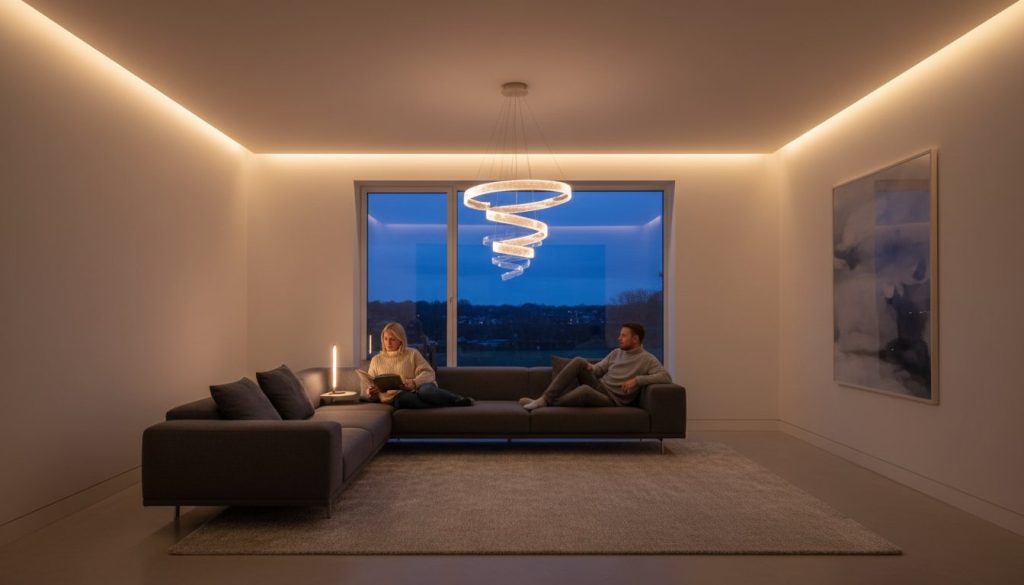
Ambient Lighting Design: A Guide to Creating a Foundation of Light
The character of a room is often defined not by its furniture, but by its light. Yet, achieving the correct balance can be elusive, leaving a space feeling stark under a harsh glare or lost in shadows that obscure its finest features. This common design challenge stems from overlooking the most crucial element: a well-considered foundation. This is the essence of sophisticated ambient lighting design-the art of creating a general, uniform illumination that sets the tone for the entire space, moving beyond simple brightness to cultivate an atmosphere of warmth and understated elegance.
This guide demystifies the principles of creating this foundational layer. We will explore how to select the ideal fixtures, from statement chandeliers to discreet recessed lighting, and provide the clarity needed to craft a comfortable, inviting, and impeccably lit environment. Discover how to build a base of light that allows the true character of your home to emerge, forming the cornerstone of a layered and sophisticated lighting plan that feels both intentional and effortless.
Key Takeaways
- Understand ambient light as the foundational layer of illumination, essential for establishing a room’s overall mood and character.
- Discover how to select fixtures that not only provide general light but also contribute to your home’s distinct design aesthetic.
- Learn tailored strategies to apply the principles of ambient lighting design, enhancing the unique function of each individual room.
- Move beyond fixtures by incorporating essential controls, such as dimmer switches, to achieve a sophisticated and adaptable atmosphere.
What is Ambient Lighting? The Foundation of Sophisticated Design
Ambient lighting is the primary, general source of illumination within a room. It provides the uniform, overall glow that allows you to navigate a space safely and comfortably. Consider it the foundational layer of any successful lighting scheme. Effective ambient lighting design is the canvas upon which all other light is painted, creating a base level of visibility without harsh glare or deep, dramatic shadows. Its purpose is not to draw attention to itself, but to establish the fundamental character and mood of the interior, making a space feel inviting, expansive, or serene.
Defining the Three Layers of Interior Lighting
A sophisticated interior relies on a deliberate, layered approach, a core tenet of architectural lighting design principles. This method combines three distinct types of light to create a functional and aesthetically cohesive environment. Each layer serves a specific, curated purpose.
- Ambient Light: The general, overall glow. This foundational canvas is often provided by ceiling fixtures, chandeliers, or recessed downlights.
- Task Light: Focused illumination for specific activities. Essential for areas where precision is required, such as a reading lamp by an armchair or under-cabinet lighting in a kitchen.
- Accent Light: Directional light that creates visual interest and drama. It is used to highlight architectural features, artwork, or a piece of statement furniture.
Why Ambient Light is the Most Crucial Layer
While each layer is integral, the ambient layer is paramount. It dictates the fundamental success of a room’s atmosphere and functionality. Its importance cannot be overstated for several key reasons. It ensures safety and navigability, reduces eye strain by softening contrasts, and creates the foundational atmosphere for the entire room. A poorly executed ambient layer-whether too dim, too cold, or poorly distributed-cannot be corrected by simply adding more lamps. It is the essential starting point for all refined interior design, and getting this base right is the first step in creating a truly sophisticated space.
The Art of Illumination: Key Principles of Ambient Lighting Design
Effective ambient lighting design moves beyond the simple utility of brightness, entering the realm of artistry. It is the practice of shaping a room’s character, sculpting its dimensions, and curating its atmosphere with carefully chosen light. The right illumination does more than just light a space; it interacts with every surface, enhancing the rich texture of a luxury rug, the subtle veining in a marble top, or the lustrous finish of hammered metal. A cohesive lighting plan, considered from the outset of any design project, is the foundation upon which a truly sophisticated interior is built.
Creating Mood and Atmosphere with Light
The quality of light directly influences the mood of a room. To cultivate a relaxing, cosy ambience in a living room or bedroom, employ warm, soft, and diffused light from multiple sources. This could be from a statement chandelier on a dimmer, supplemented by table lamps. For more functional spaces like kitchens or home offices, brighter, more uniform light creates an energetic and focused environment. By layering these ambient sources, you gain the versatility to transition a room’s atmosphere from vibrant to serene at a moment’s notice.
Altering the Perception of Space
Light is a powerful tool for manipulating the perceived size and scale of a room. Washing walls with an even layer of light, a technique known as wall grazing, can make a small room feel significantly more open and spacious by drawing the eye outward. Conversely, lower ambient light levels and focused pools of light create shadows that can make a large, open-plan space feel more intimate and enclosed. To add a sense of height and grandeur, direct light towards the ceiling to draw the gaze upward and create an airy feel.
The Critical Role of Colour Temperature (Kelvin)
The colour of light, measured on the Kelvin (K) scale, has a profound psychological impact. Understanding this is essential for maximising both the aesthetic and the modern lighting efficiency of your chosen fixtures. Different temperatures evoke distinct feelings and are suited to different functions.
- Warm White (2700K-3000K): This light is soft, yellow, and reminiscent of traditional incandescent bulbs. It is ideal for living rooms and bedrooms, where it promotes relaxation and comfort.
- Neutral White (3500K-4000K): A clearer, more balanced light that renders colours accurately. It is perfectly suited for kitchens, bathrooms, and home offices where clarity and focus are paramount.
Sources of Ambient Light: Curating Your Fixtures
Effective ambient lighting design is not merely about brightness; it is about the careful selection of fixtures that both illuminate and elevate a space. The light source itself is a critical component of your interior aesthetic, acting as a functional sculpture that defines a room’s character. The primary goal is to achieve a soft, uniform glow that eliminates harsh shadows and uncomfortable glare. This requires choosing fixtures that excel at light diffusion, casting a comfortable and inviting illumination throughout the entire area.
Statement Ceiling Fixtures: Chandeliers and Pendants
A chandelier or a striking pendant light serves as a room’s focal point, functioning as both a primary light source and a central decorative element. In a living room or over a dining table, these fixtures command attention and establish a clear design theme, from classic crystal elegance to contemporary minimalist forms. For optimal ambient light, select designs that diffuse light upwards and outwards. Sizing is crucial; the fixture must be proportionate to the room’s scale and hung at a height that allows for widespread illumination without obstructing views.
Subtle Illumination: Flush Mounts and Semi-Flush Mounts
For rooms with lower ceilings or where a more understated approach is preferred, flush and semi-flush mounts are the ideal solution. These fixtures sit close to the ceiling, providing widespread, non-intrusive light that seamlessly integrates into the space. Their strength lies in their subtlety, offering a clean and uncluttered look while fulfilling the foundational lighting needs of a room. Understanding basic lighting principles and terms can help in choosing a fixture with the right level of diffusion and output for spaces like hallways, bedrooms, or utility areas.
Wall-Mounted Lighting: The Versatility of Sconces
Wall sconces add a sophisticated layer to your ambient lighting scheme. Instead of casting light down from above, they wash walls with a gentle, indirect glow, which can make a room feel larger and more intimate. They are perfect for framing a statement mirror in an entryway, lining a hallway to guide the way, or adding a symmetrical accent to a living room. When used in pairs or multiples, sconces create a pleasing rhythm and a balanced, cohesive effect. Discover our curated collection of luxury lighting.
Room-by-Room Strategies for Ambient Lighting
Effective ambient lighting design is not a uniform solution. It is a curated approach, tailored to the unique function and desired atmosphere of each individual space. Achieving the correct balance between practical illumination and sophisticated style is the hallmark of a well-considered home, ensuring every room feels both functional and inviting.
The Living Room: Creating Warmth and Versatility
The heart of the home requires a truly versatile lighting scheme. A central statement pendant or chandelier can provide the primary layer of light, while discreet wall sconces or architectural cove lighting add a soft, ambient wash. It is essential that all circuits are controlled by dimmer switches, allowing the mood to transition seamlessly from a bright, functional space to an intimate, welcoming glow for evening relaxation.
The Bedroom: A Serene and Restful Retreat
This space demands a focus on serenity. The goal is a restful retreat, achieved through soft, warm, and indirect light sources. Avoid harsh, direct overhead fixtures, especially positioned above the bed. Instead, consider a refined flush mount fixture or a small, elegant chandelier on a dimmer. This approach provides sufficient general light for dressing without compromising the room’s primary purpose as a tranquil sanctuary.
The Dining Room: Setting the Scene for Entertaining
Here, lighting sets the stage for memorable entertaining. The key is a striking chandelier or pendant light positioned centrally above the dining table. It should cast a flattering light onto the table itself, creating a distinct focal point without causing uncomfortable glare for guests. To complete the scheme, supplement this with subtle wall sconces or integrated lighting in a display cabinet, adding layers of warmth and dimension to the room.
A thoughtful, room-by-room approach to ambient lighting elevates your interior choices, highlighting the quality and design of each piece. Discover curated lighting and statement furniture to create your perfect atmosphere.
Achieving the Perfect Glow: Dimmers, Bulbs, and Controls
Selecting a statement chandelier or a series of elegant wall sconces is only the first step. The true artistry in a successful ambient lighting design scheme lies not just in the fixtures, but in how you control them. The ability to manipulate the intensity and quality of light is what transforms a room from a static space into a dynamic, responsive environment tailored to any occasion.
The Essential Role of Dimmer Switches
A dimmer switch is perhaps the most critical component for mastering a room’s atmosphere. It is the key to unlocking the full potential of your lighting, allowing you to transition seamlessly from bright, functional light for daytime activities to a soft, intimate glow for evening relaxation or entertaining. For a flawless experience, it is essential to ensure your dimmer switch is compatible with your chosen bulbs, particularly with LEDs, to prevent any undesirable flickering or buzzing.
Selecting the Right Light Bulbs
The bulb itself dictates the quality of the light. We recommend high-quality LED bulbs for their superior energy efficiency and longevity. When selecting them, consider two key metrics:
- Colour Rendering Index (CRI): This measures how accurately a light source reveals the true colours of objects. For interiors where colour is paramount, aim for a CRI of 90 or higher to ensure your fabrics, artwork, and finishes appear exactly as intended.
- Colour Temperature (Kelvin): Measured in Kelvin (K), this defines the warmth or coolness of the light. A lower Kelvin value (2700K-3000K) produces a warm, cosy light ideal for living rooms and bedrooms, while a higher value (3500K-4100K) creates a crisper, cooler light suited for kitchens and bathrooms.
Integrating Smart Lighting Controls
For the ultimate in convenience and customisation, smart lighting systems offer unparalleled control. Managed from a smartphone app or via voice commands, these systems allow you to adjust individual lights or entire rooms with effortless precision. You can create and save pre-set lighting ‘scenes’ for different activities-such as ‘Dining’, ‘Reading’, or ‘Movie Night’-instantly recalling the perfect ambience. This modern approach to ambient lighting design elevates a home’s luxury and functionality.
Perfecting these technical details ensures your lighting is not merely functional, but truly exceptional. Consult our interior design experts for a bespoke lighting plan.
Refine Your Atmosphere with Considered Illumination
Mastering ambient light is the crucial first step towards a truly considered interior. As the foundational layer, it sets the definitive tone for a space, ensuring every room is both effortlessly functional and warmly inviting. A successful scheme balances fixture selection with the nuanced control of dimmers and bulbs. This is the essence of sophisticated ambient lighting design-transforming a simple room into a refined sanctuary.
At Womacks Of Bawtry, we believe that exceptional lighting is the ultimate statement accessory. Our expert interior design services are rooted in this philosophy, curating collections of luxury lighting designed to harmonise with our statement furniture and accessories. Each piece is selected for its ability to create an atmosphere of quiet elegance and lasting style.
Begin the journey to a perfectly illuminated home. Explore our curated collections of designer lighting to find your perfect statement piece. Create an environment that is not just seen, but felt.
Frequently Asked Questions
Is a floor or table lamp considered ambient lighting?
Yes, certain lamps are central to effective ambient lighting design. A floor or table lamp with a translucent shade that diffuses light upwards and outwards contributes to a room’s overall illumination. For instance, a tall floor lamp in a corner can wash walls with a soft glow. Conversely, a lamp with an opaque, downward-facing shade is typically considered task lighting. The key is how the fixture distributes light to create a uniform foundation.
What is the difference between ambient lighting and mood lighting?
Ambient lighting is the foundational, general illumination of a space, ensuring visibility and comfort. Mood lighting, by contrast, is a more focused application designed to create a specific atmosphere or feeling. While a well-executed ambient scheme can influence mood, its primary function is practical. Mood lighting often involves lower light levels or statement pieces used to evoke a particular emotional response, such as intimacy or relaxation.
How many ambient light sources does a typical living room need?
A typical UK living room benefits from three to four layered light sources to create a balanced ambient effect. Relying on a single central pendant often creates harsh shadows and a flat atmosphere. A successful scheme might combine a central fixture with two table or floor lamps placed strategically. This layered approach allows for flexibility, ensuring the room feels welcoming and is illuminated without glare, adapting to different uses throughout the day.
Can recessed lighting (downlights) be used for ambient light?
Yes, recessed lighting is an excellent tool for creating a base layer of ambient light when used correctly. For a soft, even glow, position downlights to wash light over walls rather than pointing them straight down. Using wide-beam angle fixtures and installing a dimmer switch is crucial. This provides control over the intensity, forming an integral part of a sophisticated ambient lighting design that avoids the common ‘spotlighting’ effect.
How do I best balance ambient lighting with the natural light in a room?
To balance ambient and natural light, observe how daylight moves through your space. Place supplementary ambient sources, such as floor lamps, in darker corners that natural light does not reach. Install dimmer controls on all main fixtures to adjust their intensity as daylight fades. Sheer window treatments can also help by diffusing harsh sunlight, creating a softer transition between natural and artificial illumination for a seamless aesthetic.
What is the ideal brightness (lumens) for ambient lighting in a bedroom?
For a bedroom’s ambient lighting, aim for a total brightness of 1,500 to 3,000 lumens, distributed across several fixtures rather than from a single source. A central ceiling light could provide 1,000 lumens, supplemented by two bedside lamps at 400 lumens each. The key is creating a restful, soft environment. A colour temperature between 2700K and 3000K (warm white) is also essential for a relaxing atmosphere.
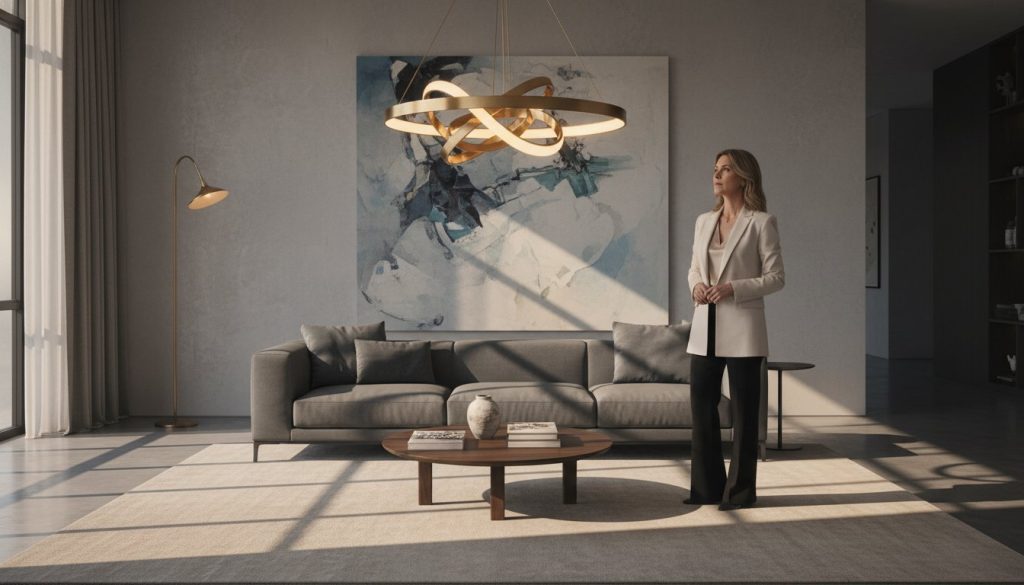
Buy Luxury Lighting: A Curator’s Guide to Illuminating Your Home
Selecting the right lighting is more than a simple choice; it is the final, defining touch that transforms a house into a home. Yet, the sheer breadth of styles, sizes, and finishes can feel overwhelming, turning an exciting decision into a source of uncertainty. This is precisely why a considered approach is essential when you decide to buy luxury lighting. It’s not merely about illumination; it’s about curating an atmosphere, making a statement, and investing with confidence in a piece that will anchor your design for years to come.
In this curator’s guide, we demystify the process. We will navigate the key principles of scale and proportion, explore how to layer different light sources for a cohesive scheme, and showcase a selection of our most distinguished statement pieces. Consider this your definitive resource for choosing designer lighting that not only complements your existing decor but elevates it, ensuring your investment is both beautiful and perfectly suited to your space.
The Art of Illumination: Understanding the Types of Luxury Lighting
Effective lighting transcends mere brightness; it is the art of shaping atmosphere and defining a space. A truly curated interior relies on a layered approach, integrating distinct types of light to create a cohesive and functional environment. When you decide to buy luxury lighting, you are investing in pieces that serve as both illumination and sculptural art. A thoughtful design scheme balances three fundamental layers-ambient, task, and accent-with each fixture chosen for its specific purpose and aesthetic contribution.
Statement Chandeliers & Pendants
A statement chandelier or pendant light serves as the visual anchor and focal point of a room. Its role is to command attention and establish the character of the space, be it a grand entrance, a formal dining room, or a sophisticated living area. Selection is a matter of proportion; consider the scale of your room and the height of your ceilings to ensure the fixture makes an impact without overwhelming the space. Our collection showcases exceptional materials, from the timeless radiance of hand-cut crystal to the unique forms of artisan glass and the bold presence of architectural metals.
Elegant Wall Sconces & Wall Lights
Wall sconces provide a softer, more intimate layer of ambient illumination. They are perfect for adding depth to hallways, bedrooms, and bathrooms, creating a warm and inviting glow that eliminates harsh shadows. Used in pairs, they produce an elegant symmetry, framing a fireplace, a significant piece of art, or a vanity mirror. The long history of electric light has evolved from simple function to sophisticated form, and modern sconces exemplify this marriage of technology and artistry, available in styles from minimalist profiles to ornate, decorative fixtures.
Sophisticated Floor & Table Lamps
Floor and table lamps are the essential, versatile layers that provide targeted task and accent lighting. A well-placed floor lamp can anchor a seating arrangement or bring life to a previously overlooked corner, adding both light and structural interest. Table lamps introduce personality and focused light to sideboards, console tables, and nightstands, completing the room’s design narrative. Explore our curated selection of diverse forms, from lamps with solid marble bases and refined metallic finishes to those with richly textured, bespoke shades.
Curating by Room: A Guide to Selecting the Perfect Fixture
Selecting the perfect fixture begins with understanding the room’s purpose. A successful lighting scheme balances aesthetic impact with practical illumination, moving from a general plan to the specific pieces that will define your space. When you decide to buy luxury lighting, you are investing in atmosphere. The way light interacts with wall colours, fabric textures, and furniture finishes is paramount. Understanding core lighting principles, such as colour temperature and rendering, ensures your chosen pieces enhance your interior design as intended.
The Living Room: Creating a Versatile & Welcoming Space
The living room demands a layered approach to accommodate its many uses. Begin with a central statement piece, such as a grand chandelier or a contemporary pendant, to provide ambient light. Introduce task lighting with elegant floor and table lamps for reading nooks and seating areas. Finally, use discreet accent lights to highlight artwork or architectural features, adding depth and focus to the room’s design.
Discover statement lighting for living spaces.
The Dining Room: Setting the Mood for Entertaining
In the dining room, the focus is on creating an inviting atmosphere over the table. A dramatic chandelier or a sleek linear pendant serves as the primary light source and a stunning focal point. Ensure the fixture is dimmable to transition from bright dinners to intimate conversations. For a sophisticated glow, consider adding wall sconces above a sideboard. For optimal placement, the fixture should hang approximately 75-90cm above the table surface.
The Bedroom: Designing a Tranquil & Restful Retreat
A bedroom should be a sanctuary, and its lighting must reflect this. A central fixture should offer soft, diffused ambient light, avoiding any harsh glare. Bedside table lamps or wall-mounted sconces are essential for reading and providing convenient, localised control. A slender floor lamp can create a cosy seating corner, perfect for unwinding. Prioritise fixtures that emit warm light tones to cultivate a truly relaxing environment.
Defining Your Aesthetic: Matching Luxury Lighting to Your Interior Style
Luxury lighting is not merely functional; it is a fundamental element of your home’s design narrative. A well-chosen fixture is a piece of sculpture that sets the mood, complements your furniture, and completes your aesthetic. When you decide to buy luxury lighting, you are investing in the atmosphere and character of your space. Exploring how different styles create vastly different environments is the first step toward a cohesive and sophisticated interior.
Our curated ranges are designed to provide a cohesive look for discerning tastes, ensuring every selection contributes to a harmonious whole.
Contemporary & Minimalist
Characterised by an ethos of “less is more,” the contemporary aesthetic favours clean lines and uncluttered forms. Lighting in this style is sculptural yet understated, focusing on form and function without unnecessary ornamentation. It integrates seamlessly into modern spaces, providing illumination that feels both intentional and effortless.
- Key Materials: Matte black, polished chrome, and simple, unadorned glass.
- Defining Shapes: Strong geometric silhouettes and fluid, organic forms.
- The Effect: A calm, ordered, and sophisticated atmosphere.
Classic & Traditional Elegance
For a home that exudes established grace, traditional lighting offers timeless appeal. This style is defined by symmetry, refined details, and a sense of enduring quality. These fixtures draw on historical design cues to create a feeling of warmth, comfort, and classic sophistication, perfectly suited for period properties or classically styled new builds.
- Key Materials: Antique brass, warm bronze, and elegant crystal.
- Signature Fixtures: Multi-arm chandeliers, lantern-style pendants, and fabric-shaded wall lights.
- The Effect: An ambience of refined heritage and inviting elegance.
Art Deco & Glamour
Make a dramatic statement with the bold and opulent forms of Art Deco. Inspired by the lavishness of the 1920s, this style is all about confident geometry, rich materials, and a touch of theatricality. It is the ideal choice for creating a focal point in a dining room, entryway, or living space, adding instant glamour and personality.
- Key Materials: Polished gold, mirrored surfaces, and opulent crystal elements.
- Iconic Motifs: Sunbursts, tiered fan shapes, and strong geometric patterns.
- The Effect: A luxurious, confident, and unforgettable statement.
The Mark of Quality: Materials and Craftsmanship in Designer Lighting
When you decide to buy luxury lighting, you are investing in more than a source of illumination. You are acquiring a piece of artistry defined by its superior materials and meticulous craftsmanship. The distinction between a standard fixture and a designer piece lies in these tangible details-the weight of the metal, the clarity of the crystal, or the unique grain of a natural stone. These elements not only create a stunning visual impact but also guarantee longevity, ensuring your chosen piece remains a timeless feature in your home.
The Warmth of Metals: Brass, Bronze & Gold
Warm metals provide a classic foundation for statement lighting. A polished brass finish offers a bright, reflective quality, while a brushed or antique finish imparts a softer, more heritage feel. These materials bring a sense of richness and substance to a room, their inherent durability making them a sound investment. Equally at home in a traditional residence or a contemporary apartment, brass and bronze fixtures offer enduring appeal that complements a vast range of interior styles.
The Beauty of Artisan Glass & Crystal
Artisan glass and crystal are masters of light manipulation. Hand-blown glass, from smoked pendants to ribbed shades, diffuses light to create atmosphere and mood. In contrast, precision-cut crystal, valued for its exceptional clarity and refractive index, scatters light into a dazzling spectrum. These materials add sparkle, visual depth, and a sense of occasion, transforming a simple light source into a captivating centrepiece for any room.
Natural Elements: Marble, Alabaster & Wood
The use of natural materials grounds a design scheme with organic elegance. The unique, translucent veining of alabaster or the bold patterns in marble ensures that no two fixtures are ever identical, offering a truly bespoke element for your home. Wood introduces texture and warmth, creating a connection to the natural world. These materials are the essence of understated luxury, adding a quiet confidence and tactile quality to an interior.
The integrity of these materials is what defines a truly exceptional piece. The finish, form, and feel of a fixture contribute to its overall impact and permanence. Each element is a deliberate choice, designed to create lighting that is not merely functional, but a statement of enduring style. This commitment to quality and craftsmanship is evident throughout the Womacks Of Bawtry lighting collection.
Finalise Your Vision: Professional Guidance from Womacks of Bawtry
Selecting the perfect lighting is a significant design decision. It defines the mood, highlights architectural details, and completes the aesthetic of your home. To buy luxury lighting is to invest in artistry and atmosphere. At Womacks of Bawtry, our expertise extends beyond our curated collections to offer comprehensive interior design guidance, ensuring your investment is perfectly placed.
Our role is to help you create a cohesive and stunning lighting plan. We work with you to understand your vision, the nuances of your space, and the functional requirements of each room. Let our expert curators transform your ideas into a flawlessly executed reality, ensuring every choice elevates your home.
Leverage Our Interior Design Services
Benefit from professional advice on the critical elements of lighting design: scale, placement, and layering. We create custom schemes tailored to your space, combining ambient, task, and accent lighting for a dynamic and polished result. Our service bridges the gap between inspiration and installation, helping you avoid costly mistakes and achieve a designer look that is both timeless and personal.
How to Begin Your Consultation
Translating your vision begins with a conversation. Our process is simple and tailored to you. We invite you to take the first step towards a beautifully illuminated home with the confidence that comes from expert support. When you’re ready to buy luxury lighting, we are here to assist.
- Visit Our Showroom: Experience the quality and artistry of our collection firsthand at our Bawtry showroom.
- Prepare Your Space: Bring photos, floor plans, and dimensions of your room to facilitate a productive discussion.
- Receive Expert Guidance: Our team will guide you through curated options that align with your home’s character and your personal style.
Allow our specialists to provide the clarity and confidence needed to finalise your design. Book a design consultation with our experts today.
The Final Touch: Curated Luxury Lighting
Illuminating your home is an art form, a delicate balance of function and aesthetic. The key lies in understanding the different types of lighting and curating fixtures that align with your interior style, always prioritising superior materials and craftsmanship. When you decide to buy luxury lighting, you are not simply choosing a light source; you are selecting a definitive statement piece that elevates your entire space.
At Womacks of Bawtry, we bring this curated vision to life. Our expertly selected lighting ranges offer unparalleled design and quality. For a truly bespoke experience, our personalised interior design services can help refine your choices. We invite you to visit our showroom in Bawtry, South Yorkshire, to discover the collection in person.
Begin the journey to a perfectly illuminated home. Explore our curated collection of luxury lighting and transform your vision into reality.
Frequently Asked Questions
How do I choose the right size chandelier for my dining room?
A simple guideline ensures correct proportions. The chandelier’s diameter should be approximately one-half to two-thirds the width of your dining table. This creates a balanced and visually pleasing focal point. For height, the base of the fixture should hang between 75 and 90 centimetres above the tabletop. This positioning provides ample light without obstructing views or conversation, ensuring your statement piece is both functional and elegant. Adhering to these measurements preserves the room’s sophisticated harmony.
What is the difference between ambient, task, and accent lighting?
A well-designed space layers three types of light. Ambient lighting provides overall illumination, setting the room’s general tone; a ceiling fixture or chandelier serves this purpose. Task lighting is direct, focused light for specific activities, such as a reading lamp beside a chair. Accent lighting draws attention to architectural details or art pieces, using spotlights or picture lights. A curated combination of these three elements creates depth, dimension, and a complete, sophisticated atmosphere in any interior.
Can I mix different metal finishes in the same room’s lighting?
Yes, mixing metal finishes is a hallmark of sophisticated, contemporary design. To maintain a cohesive aesthetic, select one dominant metal finish to feature prominently. Then, introduce one or two complementary metals as subtle accents across other fixtures or hardware. For example, pair a primary brass chandelier with smaller wall sconces in a muted black or bronze. This considered approach adds visual interest and a curated depth to your space without appearing disjointed or unplanned.
What are the benefits of using LED bulbs in luxury light fixtures?
LED bulbs offer superior performance for high-end fixtures. Their primary benefit is exceptional energy efficiency, leading to significantly lower running costs and a longer lifespan than traditional bulbs. This means fewer replacements and consistent illumination. Modern LEDs also provide excellent colour rendering, ensuring that the true tones of your interiors are displayed beautifully. When you buy luxury lighting, pairing it with quality LED technology is a sound investment in both sustainability and superior aesthetic quality.
How do I properly clean and maintain a crystal chandelier?
To maintain the brilliance of a crystal chandelier, begin by switching off the power supply. For regular dusting, use a soft, lint-free cloth or a feather duster. For a deeper clean, place a protective covering on the floor below. Use a specialised crystal cleaner sprayed onto a clean cloth, not directly onto the fixture, and wipe each crystal individually. A simple solution of one part isopropyl alcohol to three parts distilled water is also effective.
What makes a light fixture ‘luxury’ beyond its price tag?
True luxury in lighting is defined by three core principles: superior materials, exceptional craftsmanship, and iconic design. It is the use of authentic, high-quality materials like hand-cut crystal, solid brass, and hand-forged metals. It is the meticulous attention to detail in the finishing and assembly, often done by skilled artisans. Ultimately, a luxury fixture is a piece of functional art, a statement of enduring style and quality that elevates an entire space.